- Nigeria recorded a 39.5 percent surge in petrol pump prices in the first half of 2026, the sharpest increase across the African continent, triggered by the Middle East geopolitical conflict involving the U.S., Iran, and Israel.
- Local refining capacity expanded significantly, with domestic production meeting 81.7 percent of national petrol demand during the review period, up from 38.9 percent in 2025, driven largely by the scale-up of the Dangote Petroleum Refinery.
- High replacement costs forced fuel stock reserves to drop to 16 days in May, below the 30-day statutory benchmark, while sustained open-market prices led to a 22.3 percent decline in average daily petrol consumption.
Nigeria registered the sharpest increase in petrol pump prices across Africa during the first half of 2026, with prices jumping by 39.5 percent as international geopolitical tensions disrupted global crude supply chains.
Eko Hot Blog reports that the details were contained in the Nigeria Half-Year Downstream Industry Report (January–June 2026) released on Tuesday by the Major Energies Marketers Association of Nigeria (MEMAN).
EDITOR’S PICK
- Tinubu Approves Army Expansion, Recruitment of 28,000 Personnel
- Aregbesola Claims Record as First Nigerian Governor to Serve Eight Years Without Owning a House
- Ikosi-Ejinrin LCDA Commissions Fully Equipped NSCDC Divisional Headquarters, Donates Patrol Vehicle and Motorcycle to Boost Security
According to the report, the conflict involving Israel, Iran, and the United States, which flared up on February 28, 2026, pushed global crude oil benchmarks beyond $100 per barrel.
The situation was further compounded by shipping bottlenecks around the Strait of Hormuz, forcing oil tankers to reroute around the Cape of Good Hope and extending standard 18-day maritime voyages to nearly 40 days.
Under Nigeria’s deregulated downstream framework, these heightened open-market costs translated directly to pump prices.
The resulting 39.5 percent price spike in Nigeria significantly outpaced regional peers, including Egypt, which recorded a 14.3 percent increase over the same period.
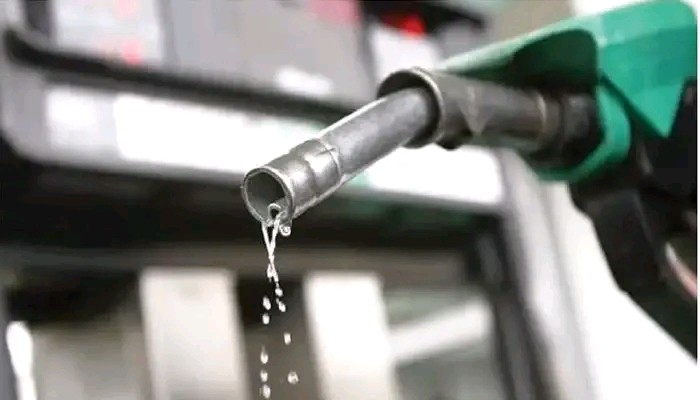
Despite the cost pressures, the period marked a major structural shift in the nation’s energy landscape toward domestic refining.
Driven by the operational expansion of the 700,000-barrel-per-day Dangote Petroleum Refinery, local refining accounted for 81.7 percent of the national Premium Motor Spirit (PMS) supply in the first half of 2026, up from 38.9 percent in 2025.
Additionally, domestic processing facilities met 64 percent of local diesel demand and 90.5 percent of the cooking gas market.
However, domestic output fell short of peak consumption between February and April.
To prevent widespread stockouts, the Nigerian Midstream and Downstream Petroleum Regulatory Authority (NMDPRA) issued import licenses to select marketers as a temporary buffer.
High replacement costs also forced marketers to draw down static physical inventories, causing national PMS stock sufficiency to decline from 33 days in January to a low of 16 days in May, falling below the statutory 30-day safety benchmark before recovering to 20 days in June.
The report noted that persistent price volatility influenced consumer behavior, leading to a 22.3 percent reduction in average daily PMS consumption and a 17.5 percent decline in Automotive Gas Oil (AGO) usage.
MEMAN highlighted the need to establish state-backed Strategic Product Reserves and dedicated Crude Oil Feedstock Reserves to shield domestic refineries and consumers from future global logistical shocks.
FURTHER READING