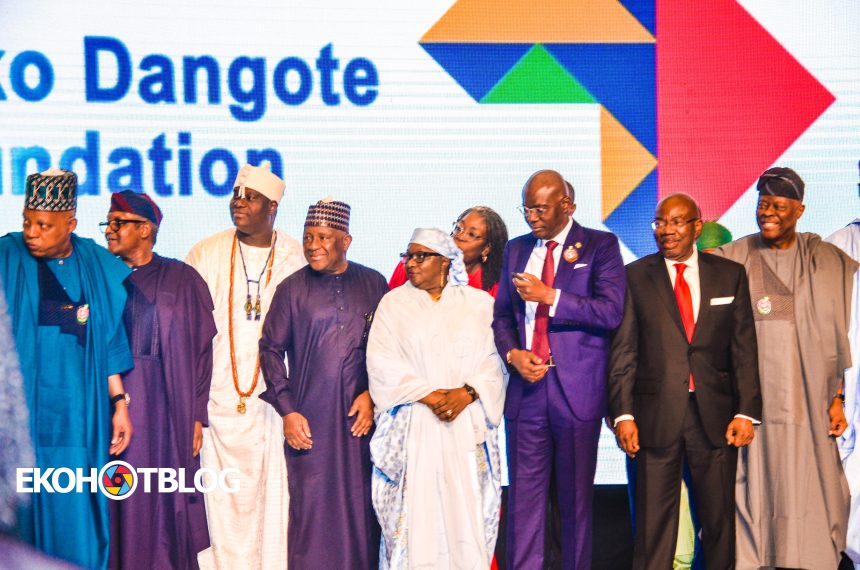
Eko Hot Blog reports that the event brought together heads of key education bodies, senior policymakers and state representatives, signalling the scale of national coordination behind the intervention.
EDITOR’S PICK
- ‘Tax ID Will Be Mandatory for Bank Accounts from January’ – FG
- Reps Deny Bill to Rename Nigeria as ‘United States of Nigeria’
- Police Shut Down Illegal Drug Factory in Lagos
The scholarship scheme, described as the most expansive private-sector education investment in Nigeria’s history, features multiple components targeting students in universities, technical institutions and public secondary schools. Beneficiaries will be selected through a digital, merit-driven system designed in collaboration with NELFUND, JAMB, NIMC, NUC, NBTE, WAEC and NECO.
The programme’s governance structure was also formally introduced, with the Emir of Lafia, Justice Sidi Dauda Bage, appointed to chair a high-level steering committee made up of former vice-chancellors, senior education administrators and development experts. The committee will oversee implementation, evaluation and long-term sustainability.
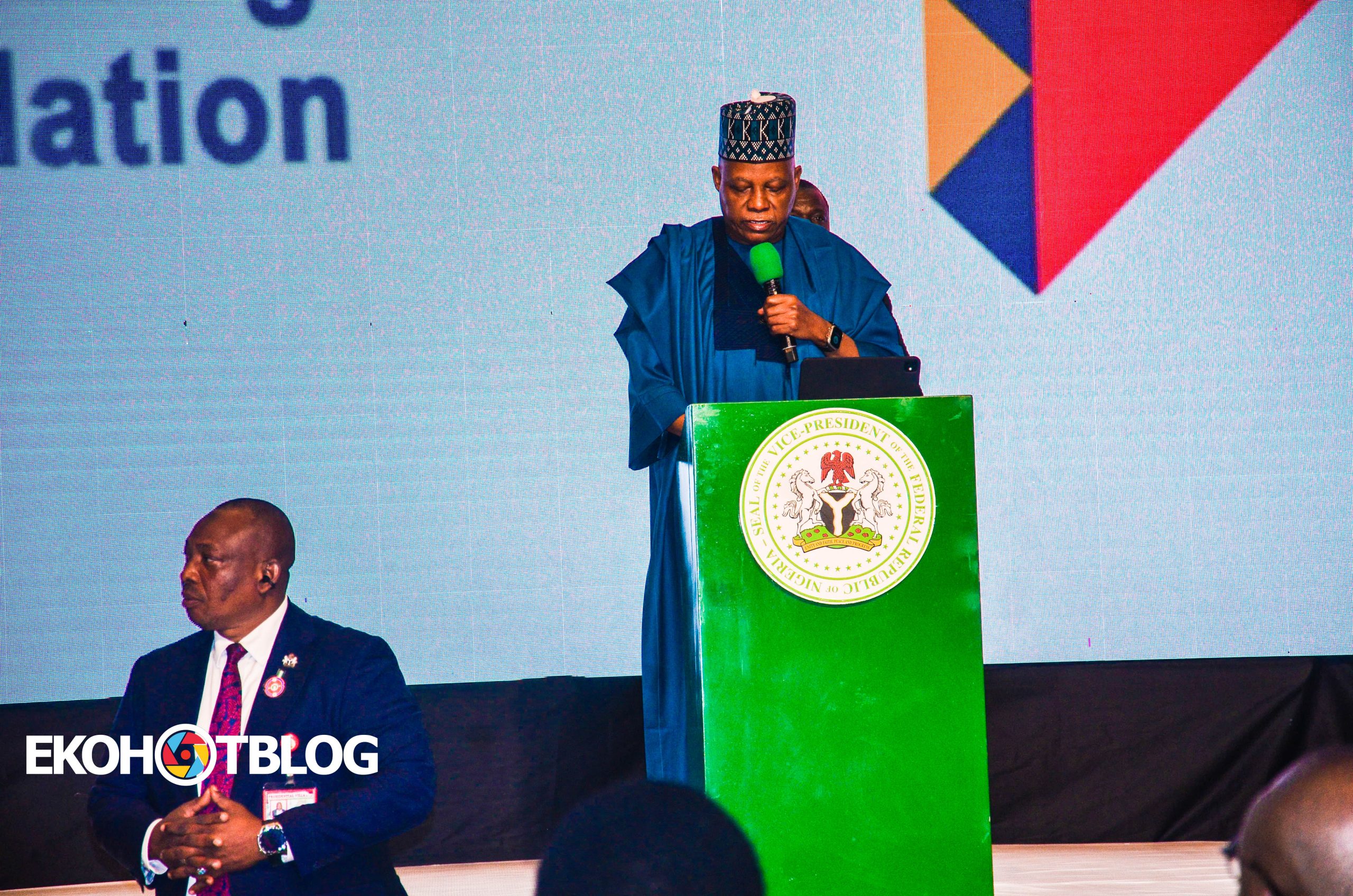
Vice President Kashim Shettima, who represented the Federal Government, described the initiative as a landmark moment for the country’s education sector. He said the scheme aligns with ongoing reforms, including the Nigerian Education Loan Fund, UBEC-led infrastructure upgrades and expanded TETFUND interventions aimed at repositioning Nigeria for a knowledge-driven economy.
Shettima noted that Nigeria’s demographic realities require urgent investment in human capital, adding that broadening access to quality education remains central to national development. He praised the commitment of private-sector actors and urged deeper collaboration between government institutions and development partners.
Education Minister, Dr Tunji Alausa, also highlighted the scheme’s alignment with the administration’s strategic focus on transforming learning outcomes nationwide. He said the programme’s reach — covering every local government area — makes it a critical tool in reducing inequality and strengthening the country’s human resource base.
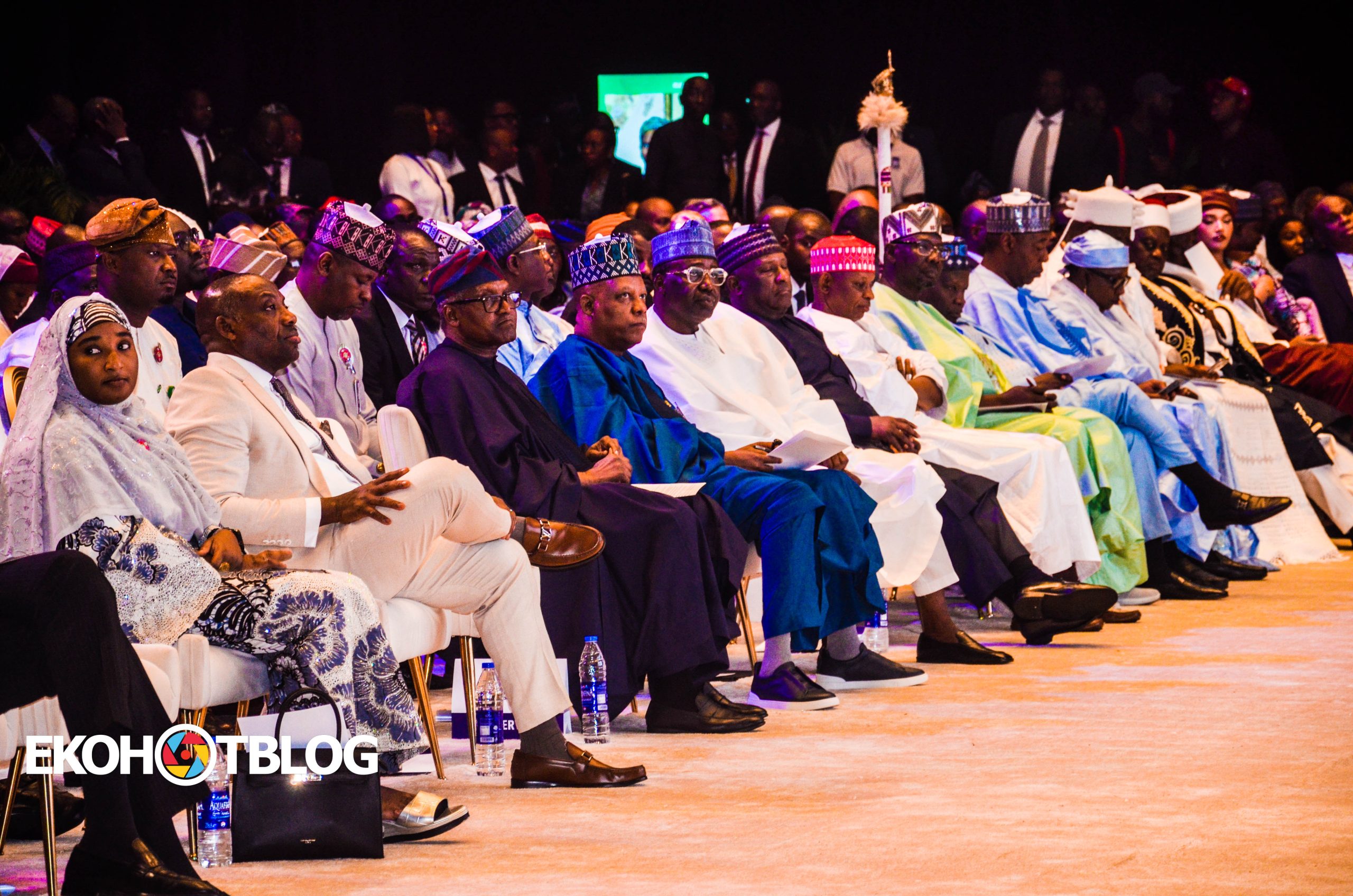
The gathering also featured remarks from state governors, represented by Lagos State Governor Babajide Sanwo-Olu, who pledged the support of all 36 states in ensuring the initiative delivers measurable impact.
Traditional rulers, including the Ooni of Ife, Oba Adeyeye Enitan Ogunwusi, commended the launch as a transformative step capable of reshaping Nigeria’s educational landscape.
Development partners in attendance, including international organisations, reaffirmed their readiness to work with the programme’s leadership on monitoring, evaluation and long-term improvement strategies.
The newly unveiled scheme is expected to prioritise vulnerable learners, strengthen technical capacity, reduce school drop-out rates and support Nigeria’s transition toward a knowledge-based economy over the next decade.
FURTHER READING