- The retail price of Liquefied Petroleum Gas (LPG), widely known as cooking gas, has surged to as high as ₦2,400 per kilogramme in various neighbourhood outlets and black markets across major Nigerian cities.
- The sudden financial strain is forcing numerous low-income households to abandon clean energy and revert to less environmentally friendly options like firewood and charcoal to prepare meals.
- The Nigerian Association of Liquefied Petroleum Gas Marketers (NALPGAM) has warned of potential fuel scarcity, revealing that wholesale depot costs for 20 metric tonnes have spiked to between ₦25.2 million and ₦26.2 million.
A severe spike in the cost of Liquefied Petroleum Gas (LPG) has triggered widespread frustration across Nigeria as retail prices hit an unprecedented high of ₦2,400 per kilogramme in several metropolitan markets.
Eko Hot Blog reports that the rapid price inflation is worsening the economic burden on domestic households already grappling with hyperinflated food prices and a general cost-of-living crisis.
EDITOR’S PICK
- Fresh Details Emerge on Death of Odomola Monarch, Oba Adebowale Adeshina
- Sanwo-Olu Applauds LASU’s Academic Excellence After JAMB Ranking
- NRC Moves 176,820 Tonnes Of Cargo Through Lagos Ports In Q1
Field observations across major cities indicate that while mainstream corporate filling stations retail the commodity between ₦1,650 and ₦1,900 per kg, independent neighbourhood resellers and roadside black-market operators are charging up to ₦2,400 per kg depending on local supply logistics.
In Lagos and Ibadan, consumers expressed intense disappointment over the unpredictable monthly price fluctuations. A resident in the Iju-Ishaga area of Lagos noted that his refueling costs jumped from ₦1,100 per kg in May to ₦1,650 per kg in June.
Similarly, in Ibadan, local buyers lamented that gas which retailed for ₦1,000 in May has effectively doubled in multiple neighbourhood outlets, forcing families to significantly alter their cooking habits to save fuel.
The situation is equally critical in Ilorin, Kwara State, where several retail dealers have temporarily suspended sales altogether due to volatile wholesale pricing, driving large numbers of residents to completely switch to charcoal as a cheaper alternative.
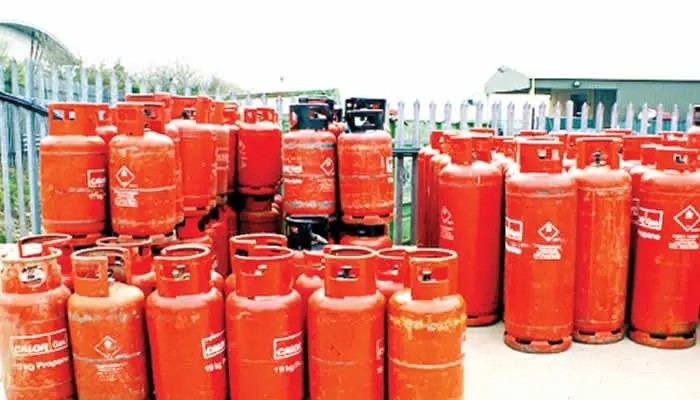
The ongoing price surge defies recent trends in domestic gas supply architecture.
Data from the Nigerian Midstream and Downstream Petroleum Regulatory Authority (NMDPRA) indicates that local refineries and processing plants produced the bulk of the country’s LPG supply between April 2025 and April 2026, drastically minimizing the nation’s historical dependence on foreign imports.
Despite this enhanced domestic output, internal consumer costs have failed to decline. Addressing the structural anomaly, NALPGAM National President Edu Inyang and Executive Secretary Bassey Essien issued a joint statement warning that the current pricing threshold threatens to trigger public unrest and derail the federal government’s multi-year clean energy penetration initiatives.
Local resellers have defended their high profit margins, citing soaring commercial transportation fees and high operational overhead costs as the primary drivers behind the steep retail prices.