For more than a decade, Nigeria’s power sector has run on borrowed time and unpaid bills.
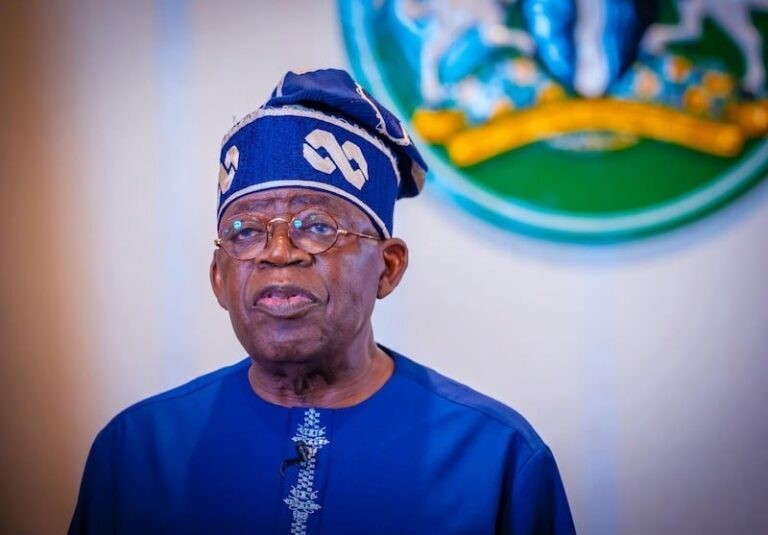
The announcement by President Bola Tinubu of a ₦3.3 trillion payment plan to settle legacy debts accumulated between February 2015 and March 2025 is, therefore, more than a fiscal milestone. It is an acknowledgement that the system has been failing and a serious attempt to stop the rot.
STATEHOUSE PRESS RELEASE
PRESIDENT TINUBU APPROVES N3.3 TRILLION PAYMENT PLAN TO RESTORE RELIABLE ELECTRICITY
President Bola Tinubu has approved the payment plan to finally settle the outstanding debts under the Presidential Power Sector Financial Reforms Programme.
The debt… pic.twitter.com/QDcS5M7wIy
— Bayo Onanuga, OON, CON (@aonanuga1956) April 5, 2026
EDITOR’S PICKS
The scale of dysfunction that preceded this intervention is staggering. As of February 2026, gas supply to thermal power plants, which account for roughly 70 percent of Nigeria’s electricity, stood at less than 43 percent of daily requirements.
In January alone, the national grid collapsed twice, with generation on one occasion plunging to just 24 megawatts for a country of over 200 million people. Millions of Nigerians had resigned themselves to between three and six hours of electricity daily or even none for days, filling the gap with generators they can barely afford to fuel due to the spike in prices as a result of the Middle East conflict.
At the root of this was a liquidity crisis that had crippled the entire value chain. Gas suppliers, owed billions, cut supply. Power plants, unable to recover costs, scaled down operations. Distribution companies bled ₦2.349 trillion in losses over just two years.
The Nigerian Bulk Electricity Trading Plc had, since privatisation, failed to fully pay generation companies for electricity supplied, allowing a debt that the government now puts at ₦3.3 trillion to fester across three administrations.
Payments Already Moving
What distinguishes this announcement from the long line of power sector promises that Nigerians have learned to distrust is that implementation has begun. Fifteen power plants have already signed settlement agreements totalling ₦2.3 trillion. The Federal Government has raised ₦501 billion in bonds, out of which ₦223 billion has been disbursed, with more payments underway. A second series is expected to begin this quarter.
This matters because the sector’s problem has never been diagnosis, it has been execution. Successive governments identified the same faults: gas supply gaps, transmission bottlenecks, metering deficits, a broken tariff framework. What collapsed each time was follow-through. Debt clearance agreements were announced, then quietly abandoned. The ₦3.3 trillion settlement, with signed agreements and disbursements already confirmed, suggests this administration is, at minimum, further along than its predecessors.
Special Adviser on Energy Olu Arowolo-Verheijen framed the intervention as part of a wider reform package, including service-based tariffs and improved metering, designed to link what consumers pay to the quality of electricity they receive. That framing is important. Debt settlement alone will not fix Nigeria’s grid. But it restores a basic condition for everything else: the confidence of gas suppliers, generation companies, and investors that they will eventually be paid.
A Floor, Not A Ceiling
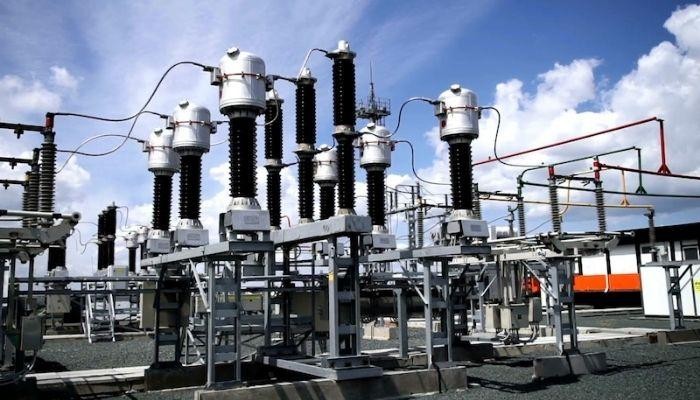
None of this should be mistaken for the end of Nigeria’s power crisis. The sector carries structural problems that no single payment can resolve. Transmission infrastructure remains overstretched, with generation companies capable of producing around 7,000MW but transmission lines able to evacuate only about 4,500MW. Fewer than 55 percent of customers are metered. DisCos recover barely 70 percent of billed revenue. These are not problems that ₦3.3 trillion will fix.
What the settlement does is remove one of the most stubborn obstacles to reform: the chain of unpaid obligations that had made every other intervention unreliable. Gas suppliers will not invest in supply if they cannot collect. GenCos will not maintain capacity if they cannot service debt. Investors will not commit to a sector that does not honour its contracts.
FURTHER READING
If Tinubu’s administration sustains the payment momentum and follows through on the accompanying reforms, this intervention could represent the floor from which a functional power sector is finally built. For Nigerians who have endured a decade of darkness, that is not a small thing, but it is only a beginning.
Philip Ibitoye is a Special Correspondent with EKO HOT BLOG. Click here to find daily analysis and critical insight on trending issues in Lagos and other parts of Nigeria.
Click to watch the video of the week below: