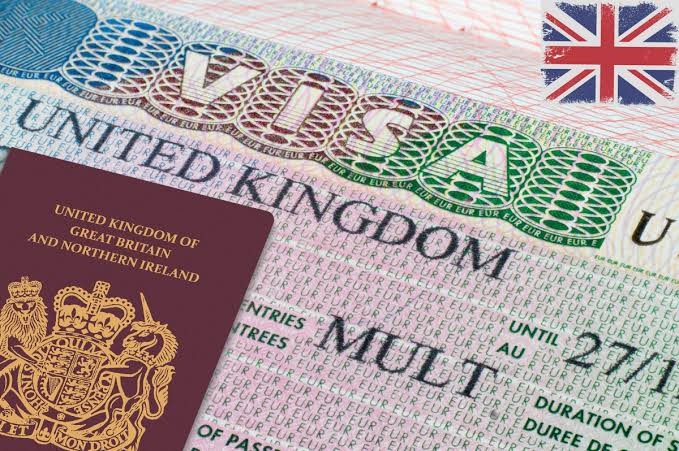
The United Kingdom (UK) is raising visa fees across most categories as part of a broader government push to cut immigration numbers.
The increases, announced by the Home Office on Monday, affect visitors, students, workers, and those seeking to settle permanently in the country.
EDITOR’S PICKS
The changes come alongside tougher measures on asylum seekers and undocumented migrants. The government plans to offer failed asylum seekers up to £10,000 to leave voluntarily, and will withdraw taxpayer-funded housing from migrants caught working illegally.
An emergency brake on student visas has also been placed on applicants from Afghanistan, Cameroon, Myanmar, and Sudan, following a surge in asylum applications from those countries.
How much are fees going up?
Short-stay visit visas for up to six months will rise by £8, taking the fee from £127 to £135. Two-year visit visas will go up by £31 to £506, while five-year visit visas will increase by £55 to £903. The ten-year visit visa will cost £1,128, a rise of £69.
For those looking to settle permanently, the standard settlement visa will increase from £1,938 to £2,064. Those receiving care from a relative already living in the UK will see the largest single rise — £222 — bringing that visa fee to £3,635. Settlement visas for refugee-dependent relatives will go up by £28 to £452.
Workers will also pay more. A skilled worker visa application made from outside the UK for a stay of up to three years will rise from £769 to £819, with longer-term applications seeing comparable increases. The new fees apply to both main applicants and their dependants.
On student visas, the standard fee will go up by £34 to £558. The graduate route, used by international students who wish to remain in the UK after completing their studies, will increase from £880 to £937.
What about British citizenship?
People applying for British citizenship through naturalisation will pay more as well. The fee will rise from £1,605 to £1,709, an increase of £104.
Naturalisation is typically available to people who have lived legally in the UK for a set number of years, met residency requirements, and demonstrated knowledge of the English language and life in Britain.
The government has framed the combined package of fee increases and tougher immigration rules as necessary to manage the pressures on the asylum and immigration system. Critics are likely to argue that higher fees disproportionately affect lower-income applicants from developing countries, though the government has not addressed that concern directly in its announcement.
FURTHER READING
The new fee structure takes effect on April 8.
Philip Ibitoye is a Special Correspondent with EKO HOT BLOG. Click here to find daily analysis and critical insight on trending issues in Lagos and other parts of Nigeria.
Click to watch the video of the week below: