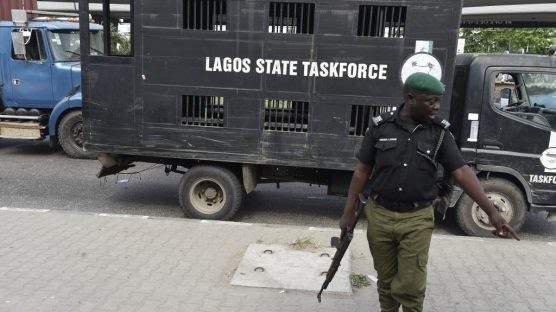
On Tuesday, the Lagos State Commissioner of Police Tijani Fatai directed the immediate and complete withdrawal of the Lagos State Environmental Sanitation and Special Offences Unit — popularly known as the Task Force — from all traffic control and contravention enforcement duties across the state.
The statement announcing the directive, signed by Police Public Relations Officer SP Abimbola Adebisi, was framed in bureaucratic language about “professionalism, accountability, and clarity.”
EDITOR’S PICKS
But for thousands of Lagosians who have had their vehicles hijacked, their money extorted, and their dignity stripped on the city’s roads, the language barely mattered. What mattered was the outcome.
The Task Force’s exit from traffic enforcement is a win and it is worth understanding why.
A Unit That Lost Its Mandate
The Lagos State Environmental Sanitation and Special Offences Unit was created as a rapid-response complement to conventional policing, drawing its authority from the Lagos Transport Sector Reform Law of 2018. Its mandate was clear: clamp down on one-way driving, obstruction, illegal okada operations, and environmental nuisances that Lagos’s overwhelmed traffic management apparatus could not contain alone.
What it became, according to years of testimony, was something else. An investigative report by Saturday Punch documented a recurring scheme in which operatives seized vehicles, drove them against traffic themselves, then accused motorists of the violation to extort sums between ₦100,000 and ₦200,000. The civil society group RULAAC documented this pattern in a formal report, alleging collusion between Task Force operatives and street touts to trap motorists. A viral video in early March 2026 showed precisely this — an operative allegedly repositioning a driver’s vehicle on a one-way street before demanding ₦150,000 in cash.
The scandal reached its peak when lawyers were reportedly arrested and detained while performing professional duties, prompting the Inspector-General of Police, Olatunji Rilwan Disu, to summon Task Force Chairman CSP Adetayo Akerele.
The Youth Rights Campaign called for Akerele’s prosecution. Rights groups demanded the unit be scrapped entirely. The then-Commissioner of Police Moshood Jimoh threatened dissolution if misconduct was verified. None of that produced structural change until now.
A Reform With Multiple Drivers
CP Fatai’s directive does not exist in a vacuum. The withdrawal aligns with a broader institutional rethink at the federal level.
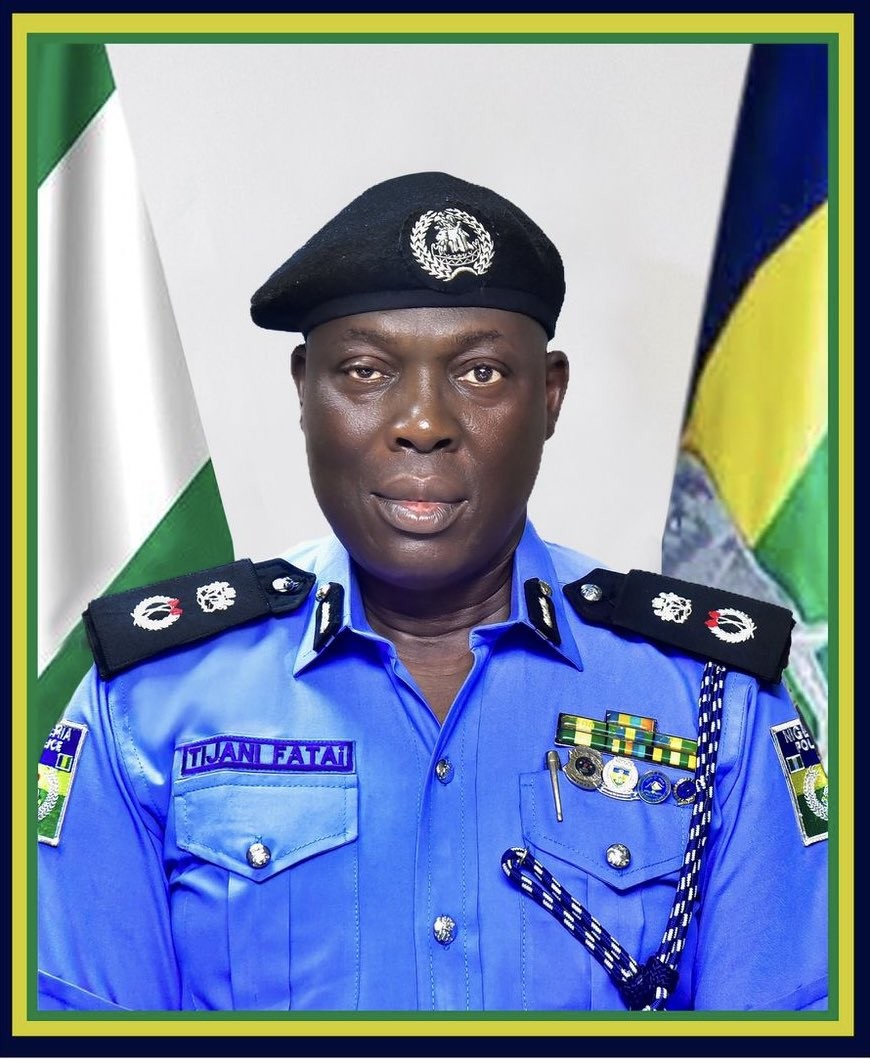
The IGP has recently directed state commands to review and reduce the number of tactical units operating under their purview, a policy aimed at eliminating the overlap, opacity, and accountability deficits that plague specialised police formations. The Task Force, which the Lagos Command’s own statement acknowledged is frequently confused with other enforcement agencies operating in the state, is precisely the kind of unit that directive targets.
By pulling the Task Force from traffic duties, CP Fatai is, in effect, restoring a cleaner division of responsibility. Traffic enforcement on Lagos roads will now revert primarily to the Lagos State Traffic Management Authority (LASTMA), the constitutionally appropriate civilian agency with a specific transport mandate. This is how the architecture was always supposed to work. Police tactical units were never designed to become permanent fixtures at road junctions, collecting fines or manufacturing them.
What This Must Not Become
The directive deserves commendation. But directives without enforcement mechanisms are, in Nigerian policing, often cosmetic. The statement notably stops short of disbanding the unit, suspending its leadership, or announcing any accountability process for documented victims. Lateef Adeyemo, reportedly imprisoned after refusing to pay a bribe to Task Force operatives, remains a live test case of whether this reform has teeth.
Lagosians should receive this development with cautious satisfaction. A unit notorious for preying on the very public it was meant to serve has been stripped of its most abused power. That is progress. The next test is whether the operatives responsible for years of extortion face any consequences or simply redeploy their methods under a different operational mandate that the unit still fully retains.
FURTHER READING
For now, one thing is clear: Lagos’s roads just got a little less predatory.
Philip Ibitoye is a Special Correspondent with EKO HOT BLOG. Click here to find daily analysis and critical insight on trending issues in Lagos and other parts of Nigeria.
Click to watch the video of the week below: