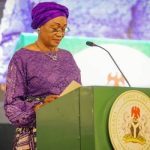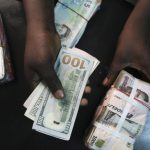
- According to the union, the recent increase in petrol prices, now ranging between ₦1,170 and ₦1,300 per litre
- The NLC warned that if urgent steps are not taken to address the situation, the country could face growing social tensions
- The congress argued that the situation has once again revealed the vulnerability of Nigeria’s downstream petroleum sector
The Nigeria Labour Congress (NLC) has called on the Federal Government of Nigeria to urgently introduce measures to ease the growing economic pressure on citizens following the sharp rise in petrol prices across the country.
In a statement released on Sunday and signed by its president, Joe Ajaero, Eko Hot Blog gathered that the labour union urged the government to provide a cost-of-living allowance for workers, approve a temporary wage award, grant tax relief for low-income earners, and accelerate efforts to restore operations at Nigeria’s public refineries.
EDITOR’S PICK
- “Pay Her Transport Fare Too”, Pete Edochie Stirs Debate on Dating Expenses
- Epe Students Parliament Declares Executive Seats Vacant Over Inauguration Dispute
- Osimhen Warns Galatasaray Ahead of Liverpool Match
According to the union, the recent increase in petrol prices, now ranging between ₦1,170 and ₦1,300 per litre, has intensified the financial strain on Nigerian workers and households.

The NLC warned that if urgent steps are not taken to address the situation, the country could face growing social tensions.
The labour body also criticised the government for allowing Nigerians to bear the impact of fluctuating global oil prices, which have surged due to rising tensions in the Middle East involving United States, Israel and Iran.
In the statement titled “Save Nigerians From This Shock: An Urgent Relief Has Become Necessary,” the NLC said workers are paying the price for an international crisis that they did not create.
The congress argued that the situation has once again revealed the vulnerability of Nigeria’s downstream petroleum sector, particularly the country’s dependence on global fuel prices.
The union noted that while local refining was expected to reduce exposure to international price shocks, the current situation shows that domestic production alone cannot guarantee stable prices.
It pointed out that price adjustments by the Dangote Refinery in response to global market conditions have also affected local fuel costs.
The NLC further stressed that Nigeria’s continued reliance on market-driven fuel pricing linked to international fluctuations will keep the country exposed to global economic and geopolitical events unless its public refining capacity is restored.
The labour organization therefore urged the government to urgently complete the rehabilitation and full operation of the country’s major refineries in Port Harcourt, Warri and Kaduna.
According to the union, the high cost of petrol and diesel has significantly increased transportation expenses for workers, while rising food prices and inflation continue to erode already limited wages.
It warned that when workers struggle to afford transportation to work or basic meals for their families, the broader economy suffers.
The NLC also cited projections from the Nigeria Economic Summit Group (NESG), which estimate that Nigeria could earn about ₦30 trillion in additional oil revenue due to higher global crude prices driven by the Middle East conflict.
The union insisted that such potential revenue should be used to support citizens rather than be lost, as previous windfalls have been.
Among its demands, the NLC called for the immediate introduction of a wage award and cost-of-living allowance for workers, expansion and improved transparency in the government’s cash transfer programme, and tax relief measures for low-income earners.
The congress also urged authorities to suspend what it described as regressive taxes on workers and ensure that the billions of naira spent on refinery rehabilitation are properly accounted for.
The union emphasized that the government must prioritize the welfare of its citizens and engage in genuine dialogue with workers to address the growing economic challenges facing the country.
While the ongoing Middle East conflict has pushed global oil prices higher, potentially increasing Nigeria’s export earnings, the resulting rise in domestic fuel prices has worsened the cost-of-living crisis for many Nigerians.
FURTHER READING