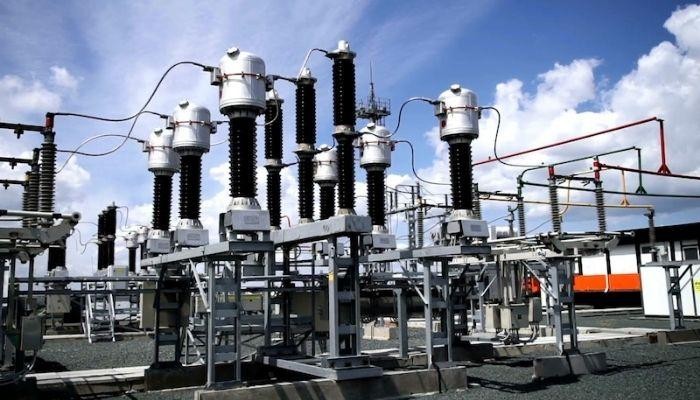
Nigeria’s electricity grid operated at less than a third of its capacity in April 2026, new data from the Nigerian Electricity Regulatory Commission shows, underlining the country’s persistent struggle to close the gap between its generation potential and actual power delivery.
NERC’s latest operational performance factsheet, published last Friday, reveals that the 28 grid-connected power plants it monitors had an average of 4,286 megawatts available for dispatch during the month, out of a total installed capacity of 13,625MW. That translates to a Plant Availability Factor of just 31 per cent.
EDITOR’S PICKS
Average hourly generation stood at 4,048 megawatt-hours per hour, giving a load factor of 94 per cent, meaning the plants were running close to their available limits. The problem, in other words, is not how hard the plants work when they are on; it is how little of the total capacity is ever available to begin with.
A grid still running on a few shoulders
The burden of power supply is concentrated among a small group of plants. The top ten energy producers accounted for 81 per cent of all electricity generated in April, with hydropower stations and large gas-fired plants leading the table.
Egbin thermal station contributed the most, with 557MW available, 42 per cent of its 1,320MW installed capacity. Kainji and Jebba hydropower plants followed, posting plant availability factors of 62 and 68 per cent respectively, among the stronger performers on the list. Ihovbor 2 stood out for running at 100 per cent availability throughout the month, while Zungeru sustained a 99 per cent load factor despite operating at just 43 per cent of its installed capacity.
But several other plants dragged in the opposite direction. Olorunsogo 2, which has 750MW of installed capacity, managed only 33MW available — a four per cent availability factor. Sapele Steam 1 recorded one per cent. Three plants — Alaoji 1, Ibom Power 1 and Rivers 1 — posted zero availability, meaning they contributed nothing to the grid for the entire month.
This imbalance creates a structural vulnerability: whenever a top-performing plant falters, there is little depth in the system to absorb the shock.
Voltage and frequency: The hidden instability
Beyond generation figures, the report flags a separate but equally important problem: the grid is not stable in how it carries the power it does generate.
NERC’s prescribed voltage range for safe grid operation is 313.50 to 346.50 kilovolts. In April, the lower average voltage was 302.60kV and the upper average reached 353.40kV, both outside the permitted band. Similarly, frequency, which should stay between 49.75 and 50.25 hertz, dipped as low as 49.20Hz and climbed as high as 50.76Hz during the month.
These deviations matter. Voltage swings damage industrial equipment and degrade supply quality for consumers. Frequency excursions — caused by sudden mismatches between how much power is generated and how much is being demanded — can trigger partial or total grid collapse, the kind that produces the sudden nationwide blackouts Nigerians have come to recognise.
The structural problem that won’t go away
April’s figures improved marginally on March — available generation rose by five per cent — but the broader picture has not meaningfully shifted in years. Installed capacity keeps expanding on paper while gas supply shortfalls, maintenance backlogs, and transmission bottlenecks keep actual output suppressed.
FURTHER READING
The data suggests Nigeria’s electricity challenge is less about building more plants and more about keeping existing ones running, stabilising the transmission network that carries the power, and breaking the grid’s dangerous dependence on a handful of facilities to do the heavy lifting for everyone else.
Philip Ibitoye is a Special Correspondent with EKO HOT BLOG. Click here to find daily analysis and critical insight on trending issues in Lagos and other parts of Nigeria.
Click to watch the video of the week below: