- He described those behind the claim as mischief-makers and insisted that he is in good health
- He argued that Africa’s struggles stem largely from leadership failures rather than geography or history
- He also urged young Africans to engage actively in democratic processes and demand accountable governance
Former President Olusegun Obasanjo has dismissed rumours about his death, declaring that at 89, he remains strong and has no plans of leaving the world anytime soon.
Speaking on Wednesday in Abeokuta at a colloquium organised to mark his 89th birthday, Eko Hot Blog gathered that Obasanjo criticised the circulation of a fabricated letter that falsely suggested he was preparing for his death.
EDITOR’S PICK
- Nigeria Awaits FIFA Verdict On DR Congo Player Eligibility Dispute
- Trump Says Diplomacy Is “Much Easier” Now After Decapitating Strikes on Iran
- Senate Targets 2026 for State Police Amendment
He described those behind the claim as mischief-makers and insisted that he is in good health and high spirits.
Obasanjo, who was born on March 6, 1937, said he believes his continued life is purposeful and divinely ordained. According to him, God has kept him alive for a reason and equipped him with the strength to continue contributing to society.
He added that those wishing him harm were merely expressing personal desires that do not align with God’s plan.
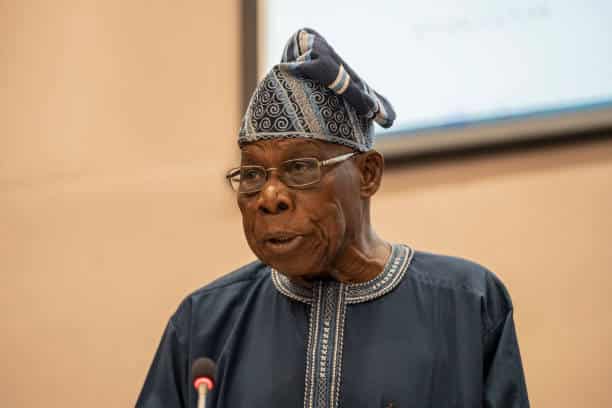
During his address, titled “Burden and Blessing of Leadership: Reflections from Global Africa to the World,” the former president turned his focus to governance challenges across the continent. He argued that Africa’s struggles stem largely from leadership failures rather than geography or history.
He maintained that Africa possesses immense natural and human resources that should position it for prosperity and global relevance. However, he said, poor governance, weak institutions, corruption, inequality, and lack of accountability have undermined progress.
Obasanjo warned that many leaders enter office with reformist promises but later prioritise personal, family, or political interests over national development. He said this pattern erodes democratic values and weakens institutions meant to serve the public.
To address these challenges, he emphasised the need to cultivate leaders with strong moral foundations, not just technical skills. According to him, leadership formation should focus on integrity, courage, transparency, and commitment to the common good.
He also urged young Africans to engage actively in democratic processes and demand accountable governance, cautioning that neglecting the aspirations of the youth could create long-term instability.
Reflecting on his own journey, Obasanjo spoke about the weight of leadership decisions, recalling moments during the Nigerian Civil War when he had to make difficult choices that affected thousands of lives. He described leadership as a lonely responsibility, where final decisions often rest on one individual’s shoulders.
He also recounted his time in detention under the late General Sani Abacha, when he was imprisoned for several years and faced the threat of execution. He described that period as one of the heavy burdens of standing by one’s principles.
Despite these challenges, Obasanjo said leadership also brings rewards, including the satisfaction of making ethical choices and advancing national interests.
He pointed to achievements during his presidency, such as securing debt relief for Nigeria and establishing anti-corruption institutions.
Concluding his remarks, Obasanjo reaffirmed that he remains active and committed to contributing to national and continental development. He dismissed death rumours as baseless and reiterated that he is alive, well, and ready for the tasks ahead.
EDITOR’S PICK