- The president is too far removed from your daily problems
- centralising political power in one person weakens democracy
- Odumodublvck’s remarks reflect his call for greater civic responsibility
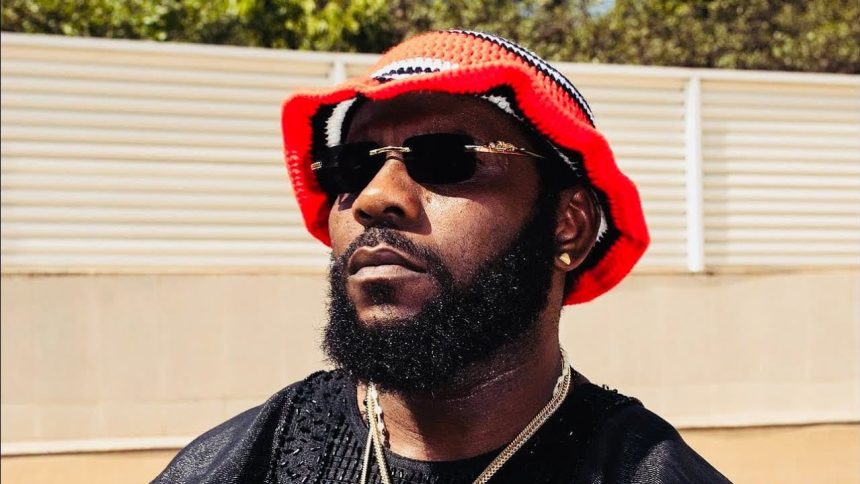
Nigerian rapper Odumodublvck has shared his thoughts on Nigeria’s political structure and the experiences of Black people in America, calling for deeper accountability and a shift in mindset.
Eko Hot Blog gathered that in a recent interview with BET, Odumodublvck criticised Nigerians’ habit of blaming the President for every societal issue, noting that many overlook the responsibilities of local and state officials.
EDITOR’S PICK
- Mother, Daughter Drown in Borno Boat Accident
- EXPLAINER: All To Know About Sealing of Nestoil Headquarters in Lagos
- PHOTO STORY: Epe Professional Women Celebrate 10 Years Anniversary
“You have a local government, a councillor, and a senator directly responsible for your area, yet when anything goes wrong, people say, ‘Ah, Tinubu.’ The president is too far removed from your daily problems,” he said. “That’s what happens when one man holds all the power — the people lose their sense of local accountability.”
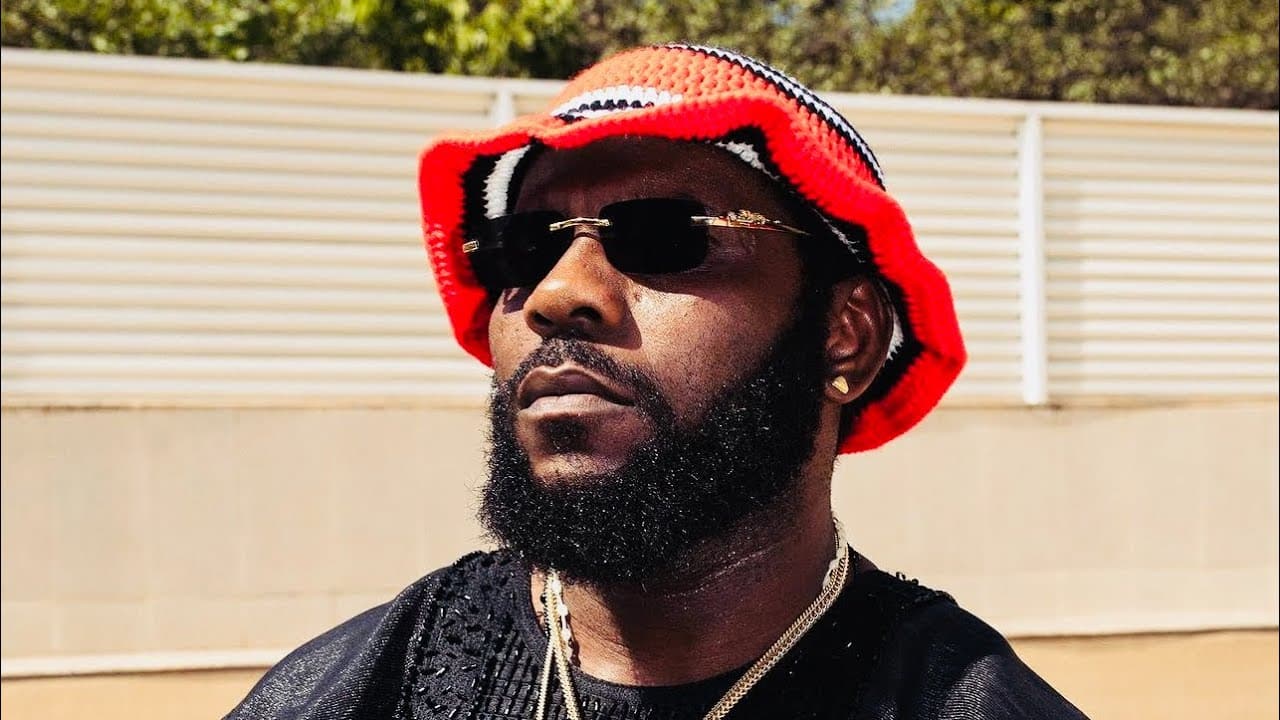
The rapper argued that centralising political power in one person weakens democracy and leaves the system open to manipulation.
“If the sovereignty of a nation lies in one man’s hands, that’s dangerous. Even a good leader can be coerced or threatened into corruption,” he added.
Turning to racial issues, Odumodublvck urged Black Americans to move beyond a “victim mentality” and embrace progress, acknowledging both their pain and achievements.
“Yes, Black people suffered in America, but now is the time to rise. There are Black-owned businesses, successful athletes, and even a former Black president. It’s time to fly,” he said.
He further noted that while Black Americans faced systemic oppression, Africans have endured even worse challenges — often from within their own societies.
Odumodublvck’s remarks reflect his call for greater civic responsibility and empowerment among Nigerians and Africans worldwide.
FURTHER READING