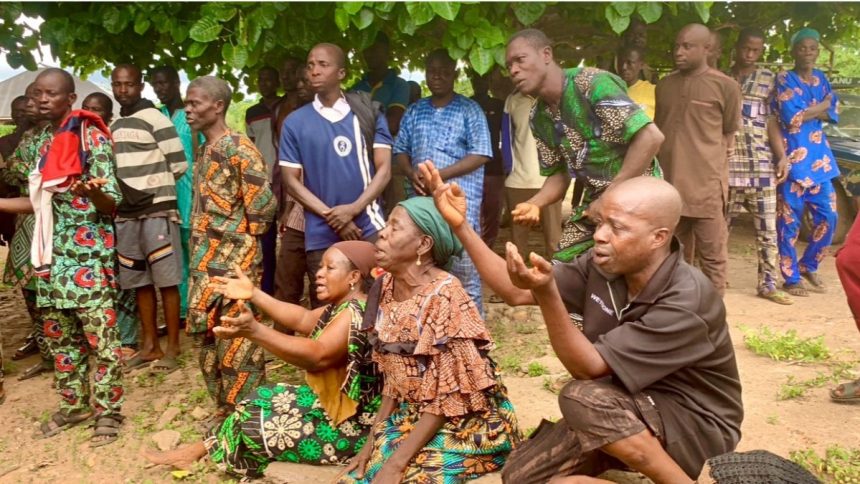
On May 15, armed bandits stormed three schools in Oriire Local Government Area of Oyo State, abducting an estimated 46 students and teachers from Community Grammar School, L.A. Primary School, and Yawota Baptist Nursery and Primary School.
An assistant headmaster and a commercial motorcyclist were killed during the attack. Days later, the crisis deepened when Governor Seyi Makinde confirmed that one of the abducted teachers — a mathematics teacher — had been killed in captivity.
EDITOR’S PICKS
A video circulating on social media showed the school principal among the hostages, pleading with authorities to negotiate their release before another life was lost.
The abductions have since triggered protests by the Nigerian Union of Teachers, a presidential delegation to Ogbomoso, and a sharp public debate: should the government negotiate with the kidnappers, or hold firm and pursue a rescue?
Two Sides of a Familiar Argument
The Oyo State House of Assembly came down firmly on one side.
At plenary on Wednesday, the lawmakers rejected all calls for negotiation. Speaker Adebo Ogundoyin argued that any dialogue with the kidnappers would send the wrong signal — emboldening criminal networks and inviting further attacks. The assembly’s position is consistent with official policy.
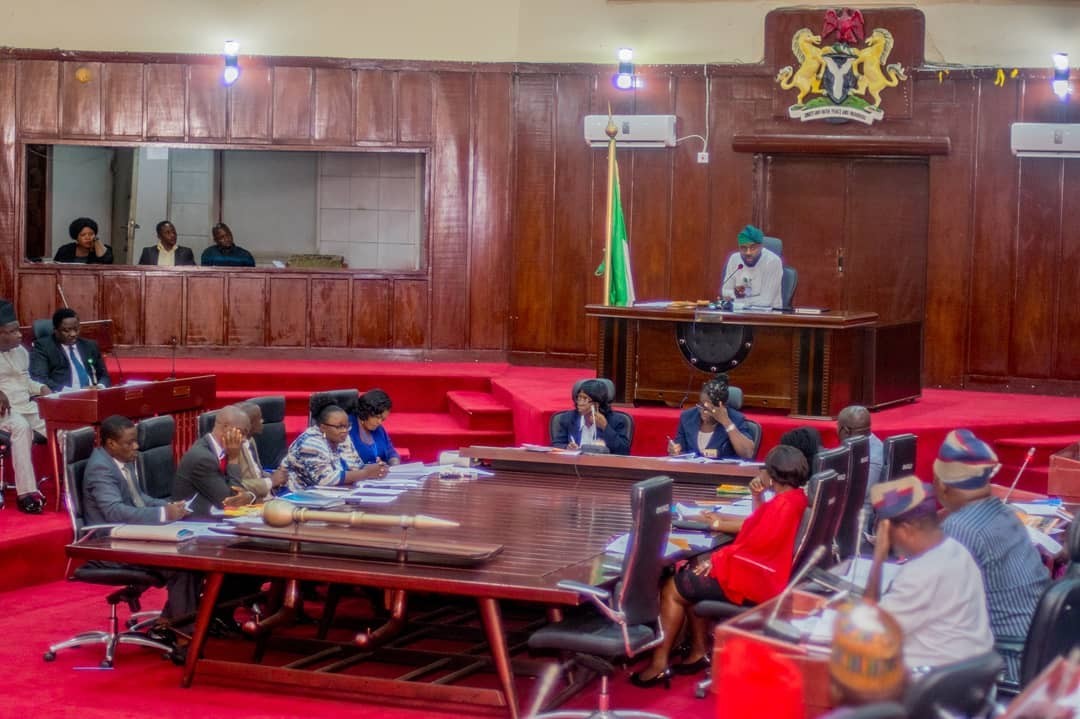
Since 2022, paying ransom to kidnappers has been illegal in Nigeria. President Tinubu previously declared that “not a dime” would be paid in similar cases.
But the hostages’ families, and the abducted principal herself, represent the other side. When a loved one’s life is on the line, abstract policy arguments carry little weight. A hostage negotiator who has worked informally in Kaduna State told the BBC that you cannot use force to free hostages without putting their lives in danger — and that negotiation, however controversial, remains the only guarantee families have.
This tension is not new. It surfaces every time Nigeria’s kidnapping crisis produces a video of a distressed captive. The government says no to ransom; families quietly pay. According to the National Bureau of Statistics, Nigerians paid N2.3 trillion in ransom between May 2023 and April 2024, and nearly 2.3 million people were kidnapped in that same period — figures that suggest the official hard line has done little to slow the epidemic.
Why Both Positions Are Incomplete
The lawmakers are right that negotiating with kidnappers carries serious risks. Analysts note that criminal kidnappers are unlikely to negotiate in good faith, and that long-term solutions depend on reducing unemployment and restructuring the security architecture to disrupt criminal operations. Concessions can confirm that abduction is profitable, making the next attack more likely.
But the rescue-first position also has a credibility problem. Amotekun operatives pursuing the attackers ran into improvised explosive devices planted in the forest, leaving some of them wounded — a reminder that dense terrain gives the kidnappers a significant tactical advantage. The Oyo House majority leader himself acknowledged that conventional security agencies were forced to rely heavily on local vigilantes and Amotekun to navigate the difficult terrain.
Weeks after the attack, security agencies had yet to provide an official update on the whereabouts of the abductees.
The federal government’s response has been visible, albeit reactive — Tinubu approved the recruitment of 1,000 forest guards for Oyo State and directed a specialised rescue unit to the area but no one has been rescued or arrested.
What the Debate Is Really About
The Oriire abductions are not an isolated incident. They are part of a pattern of attacks that have spread from the North-West into South-West Nigeria, exploiting forest corridors and under-policed communities. The lawmaker representing Oriire, Johnson Ogundele, noted that his constituency had faced repeated violent incidents since January 2026, including an earlier attack on the National Park Service office in Oloka village that left five forest guards dead.
That context reframes the entire negotiation debate. The real question is not whether to talk to terrorists, it is why communities like Oriire were repeatedly attacked without adequate security response, and whether the structures now being hastily assembled will outlast the news cycle.
FURTHER READING
Until that question is honestly answered, the choice between negotiation and rescue will keep presenting itself, with innocent lives hanging in the balance.
Philip Ibitoye is a Special Correspondent with EKO HOT BLOG. Click here to find daily analysis and critical insight on trending issues in Lagos and other parts of Nigeria.
Click to watch the video of the week below: