- By Bashorun J.K. Randle
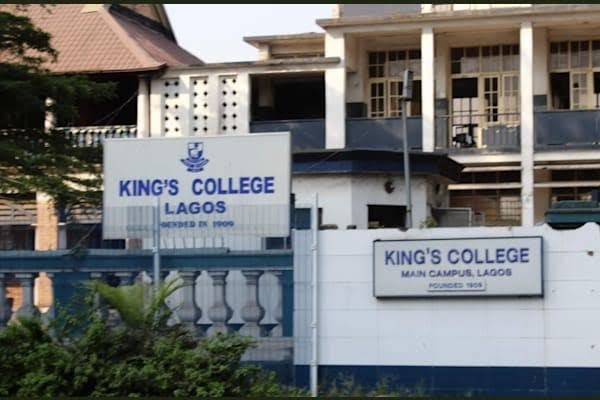
What I find troubling are the number of hostile reports on Internet particularly Old Boys of King’s College who has been sent to jail.
The search results for “Old boys of King’s College who have been sent to jail” mainly returned information regarding a 2017 incident where 1997 set alumni of King’s College Lagos facilitated the release of 30 inmates from Kirikiri prison, rather than being imprisoned themselves.
However, the search results do highlight a few related, though not identical, scenarios regarding the school and similar names:
- 1944 Arrests: Records show that in March 1944, roughly 100 boys from King’s College, Lagos, were arrested following an incident involving a “slap,” in which notable figure Dim Chukwuemeka Odumegwu Ojukwu was involved.
- Correctional Facility Aid: In 2017, the 1997 set of King’s College Old Boys Association (KCOBA) facilitated the release of 30 inmates from the Medium Security Prison, Kirikiri, Lagos.
EDITOR’S PICK
- President Bola Ahmed Tinubu And The King’s College Tie
- Court Sentences Pastor to Death for Killing UniUyo Student
- Lagos Teacher Questions Lack of Recognition for One-Day Governor Mentors
It is deeply troubling that the internet has spilled out a profoundly bizarre litany of old boys of King’s College who have served jail term:
- Anthony Enahoro: A prominent politician, journalist, and activist who attended King’s College, Lagos, and was involved in student revolts in the 1940s. He was a leading figure in the Nigerian liberation struggle against colonial rule, which resulted in his iprisonment.
- Michael Imoudu: A pioneering Nigerian labor leader, often cited among the early political prisoners held at Broad Street Prison, which held several notable figures during the colonial era, including alumni of the school.
- Lateef Jakande: The former Governor of Lagos State and a distinguished alumnus was imprisoned in the 1960s following the treasonable felony trial involving Chief Obafemi Awolowo.
- 1943 Anti-War Revolters: During World War II, several King’s College students were arrested and some conscripted into the military as punishment following a major anti-war revolt at the college.
- Bukola Saraki: The former Senate President and KCL alumnus has faced multiple legal battles and remand during various corruption investigations and trials, though he has consistently challenged these in court.
- Here are some notable old boys of King’s College, Lagos who have been involved in controversies or served jail terms:
- Tunwase Kabiru: An alumnus who was sentenced to life imprisonment for murder. While in prison, he pursued education and earned a degree in Peace Studies and Conflict Resolution.
- Oladipupo Moshood: Another inmate who spent 24 years in prison and earned a degree while serving his sentence.
- Joshua: An old boy who was involved in armed robbery and sentenced to prison. He later earned a certificate in Computer Education and a degree from the National Open University of Nigeria (NOUN).
- Alegbe Afolabi: A former police officer who was sentenced to prison and later earned a master’s degree while incarcerated.
- These stories highlight the transformative power of education, even in challenging circumstances.
- Would you like more information on King’s College, Lagos or its notable alumni?
In my case, I still have vivid memories of my first day at King’s College. It was Wednesday 2nd January 1957. My dormitory was F9 (Harman’s House) and the dormitory captain was Folorunsho Olaleye who was in the Fifth Form. My bed was right next to that of Claude Ake who was a Prefect and House Captain. He later became a renowned professor of Political Science. Sadly, he died in the same air crash (ADC Airlines Flight 086 on 7th November 1996) as the Vice-Principal Mr. F. I. Ajumogobia (formerly Mr. Bestman).
Claude Ake’s responsibility was to ensure that “Lights out” (9 pm) was strictly enforced.
Regardless, he would engage me in long conversations on philosophy and politics. He did most (actually all) of the talking. Hence, during day time I would proceed to the library to read any book on philosophy and politics instead of the prescribed textbooks. It certainly did me a lot of good which I still cherish till today. It is absolutely true that no knowledge is wasted.
Perhaps I should add that long before my time, King’s College admitted some girls – Dr. (Mrs.) Irene Thomas; Mrs. Olugbo (nee Hollist; Professor (Mrs.) Elebute (nee Adenusi) into the Sixth Form. For some reason, admission of girls into the Sixth Form was resurrected when I was in Form One. Some of the names were Grace Kuboye; ……………..? Osinsanya; Abisogun Alo; Florence (now Mrs. Smith).
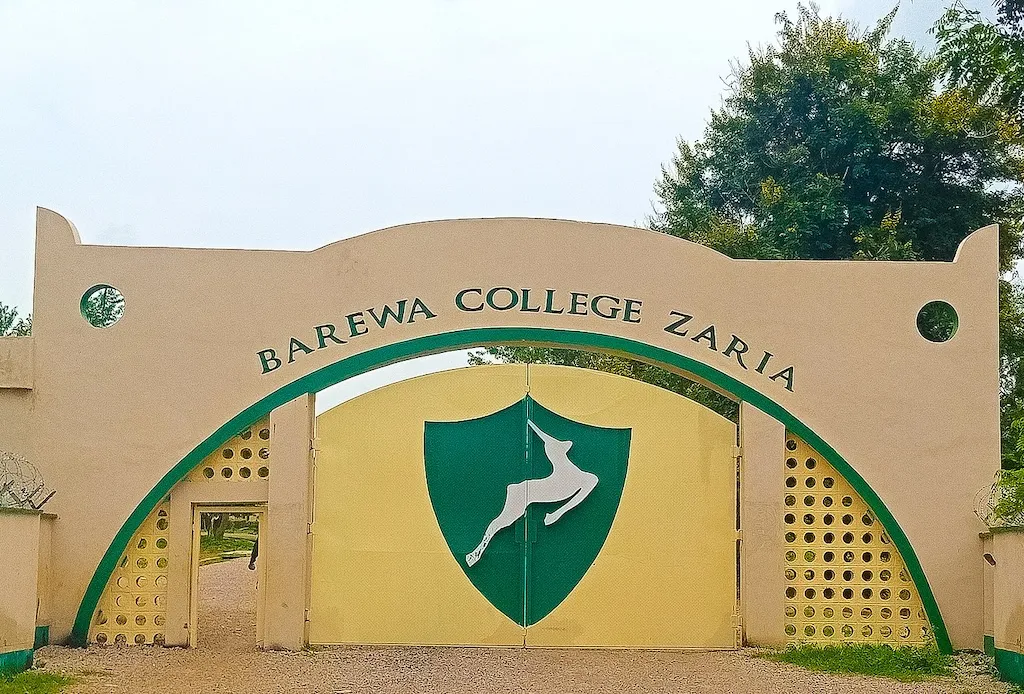
Permit me to add that our rivals were not limited to St. Gregory’s College; Igbobi College; Methodist Boys’ High School; Baptist Academy; and C.M.S. Grammar School which were in Lagos. Even back then, Barewa College, Zaria and other schools in the North would send their best students (the quota was fifteen) to join the sixth form at King’s College. This was in addition to those who had joined in Form One.
It was a very enlightened policy and produced excellent results. I have no recollection of any King’s College boys being sent off to schools in the North.
When the first coup d’etat occurred on 15th January 1966, seven of the casualties were old Boys of Barewa College.
- Alhaji (Sir) Ahmadu Bello, Premier of the North
- Alhaji (Sir) Abubakar Tafawa Balewa, Prime Minister
- Brigadier Zakariya Maimalari, A senior Army Officer
- Colonel Kur Mohammed, The Chief of Army Staff
- Colonel Abogo Largema, Commanding Officer of the 4th Battalion in Ibadan
- Colonel James Pam, Nigerian Army Adjutant General
- Ahmad Ben Muse, Private Secretary to the Premier of the North.
By an amazing co-incidence, both Christians (Ash Wednesday) and Moslems (Ramadan) commenced their period of fasting on the same day this year – 18th February 2026.
Most auspicious.
Expectedly, at the end of Ramadan President Bola Ahmed Tinubu would be back with us in Lagos to celebrate Sallah. He may even be here for Easter. Either way, we need to get out act together and leave no loose ends regarding the handing over of King’s College to the old boys of the college.
However, the crunch is that we are not entitled to expect something for nothing. What we must bring to the table is our own contribution to finding solutions to the huge challenges facing our nation – insecurity; the economy; wayward politics; question mark over the judiciary; phantom debts; abandoned projects; youth unemployment; poverty; ignorance; bandits collapse of the health sector; crisis in the education sector; delinquent agriculture etc.
Every week our nation erupts over a fresh crisis. However, we cannot compromise the dictates of our school song:
“Service to our nation, honour to the dead.”
Of course, we recognize the chaos below the waves. Elections are only a year away. Hence, we must make haste. The future is inevitable. Going by the time table announced by Professor Joash Amupitan, Chairman of INEC (Independent National Electoral Commission), the election would fall within Ramadan/Easter next year. Hopefully, the faithful would forswear rigging of elections during the Holy Month.
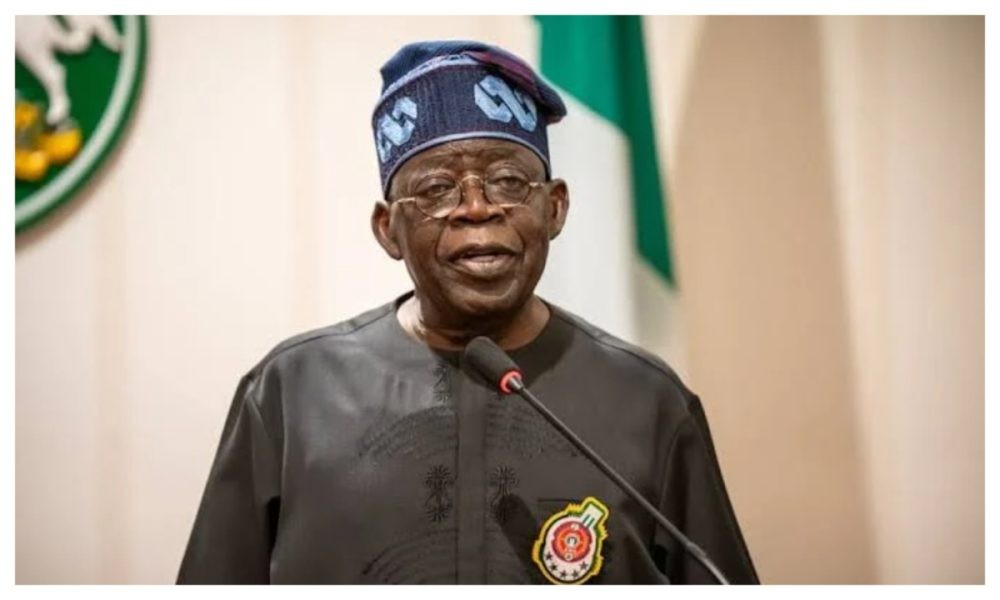
At our next meeting with President Bola Ahmed Tinubu GCFR, Commander-In-Chief of the Armed Forces of Nigeria we have an obligation to persuade him to dump “Renewed HOPE” and replace it with “Renewed FAITH AND HARMONY”.
Hope is only an aspiration. It does not make any demands on the followers while hope is an aspiration, faith is an inspiration. The difference is profound. Again hope is emotional while faith is creative. Indeed, faith eliminates uncertainties. It compels us to look more closely and wait longer. Faith is the piston that drives the exploration of new frontiers.
Regardless, we must be wary of straying into an ambush. What if Mr. President throws it back at us:
“The motto of King’s College is “Spero lucem”
(I hope for light).
That is why we must be prepared for Extra Time followed by Penalty Shoot Out – but no Sudden Death.
President Bola Ahmed Tinubu has publicly declared his determination to create a US$1 trillion economy by 2030. KCOB’s can assist him hugely. One of us, Professor Bayo Ogunlesi has already achieved that milestone for himself. No sweat. If he can do it for himself; he can do it for Nigeria.
Here are the low hanging fruits waiting to be plucked courtesy of:
“ChatGPT, please conduct a deep search and provide a chronological list of 30 missing/unaccounted funds in Nigeria from 2014 to 2026. The list should focus on cases that have gone cold with no one prosecuted or jailed. Also, start with the total sum.”
Total Sum
$107.18 billion
₦85.74 trillion
Zero Prosecution or Jail Term.
Breakdown.
- $10.8 billion in missing NNPC oil revenues (2014) – audit of NNPC books over large missing funds was ordered. (businessnews)
- $20 billion in unaccounted NNPC oil sales revenue (2014) – forensic audit ordered into alleged missing oil revenue. (dw)
- $3.4 billion from IMF COVID‑19 loan unaccounted (2020 audit) – lawsuit urged probe on missing IMF funds. (nairametrics)
- ₦149.36 billion unaccounted in federal MDAs (2020 audit) – 101 MDAs failed to account for funds. (icirnigeria)
- ₦106 billion missing from MDA budgets (2018) – SERAP petition on unaccounted funds across ministries. (wikipedia)
- ₦300 billion missing public funds (2017 audit) – SERAP called for probe by Buhari government. (thisdaylive)
- ₦343.95 million missing in Ministry of Water Resources expenditures (2017) – audit finding in 2017. (nairametrics)
- ₦250 billion missing/unauthorized expenditures in public coffers (2020/2021) – House Reps highlighted unaccounted expenditures. (leadership)
- ₦825 billion + $2.5 billion missing at NNPCL (2021 audit) – calls for accountability on oil funds. (guardian)
- ₦26 billion missing from PTDF & Petroleum Ministry (2021) – audit flagged missing oil sector funds. (serap-nigeria)
- ₦57 billion missing from Federal Ministry of Humanitarian Affairs (2021) – audit led to probe requests. (independent)
- ₦18.6 billion missing National Assembly complex funds (2022 audit) – rights group demanded probe for missing construction funds. (arise)
- ₦3 trillion missing/diverted public funds at CBN (2022 audit) – SERAP ultimatum over unaccounted sums. (punchng)
- ₦1.44 trillion missing CBN public funds (2022 audit) – major unremitted operating surplus highlighted. (nigerianeye)
- ₦22.3 billion + $49.7 million + £14.3 million + €5.2 million missing oil funds (2022 audit) – NNPCL failed to account. (serap-nigeria)
- ₦500 billion unremitted oil revenue (2019–2024) – transparency groups cited gaps in oil receipts. (guardian)
- Unexplained Treasury Single Account & Consolidated Revenue Fund gaps (~₦30 trillion+) (2019–2025) – Senate alarm over missing government funds. (awarenesstimes)
- Over ₦3.403 trillion unaccounted in federal MDAs (2019–2021) – audit report flagged massive unaccounted infraction. (businessday)
- Numerous MDAs without supporting documents for payments (2019–2021) – audit flagged billions in unauthorized spending. (businessday)
- Almost ₦630 billion in CBN Anchor Borrowers Programme unrecovered (2018–2022) – Auditor‑General fears diversion. (serap-nigeria)
- ₦784 billion in overdue loans/interventions unrecovered by CBN (2018–2022) – flagged in audit. (serap-nigeria)
- Questionable CBN expenditures over ₦125 billion (2022) – no adequate documentation in audit. (serap-nigeria)
- ₦149.4 billion revenue unaccounted in 2020 audit – MDAs failed to remit tax/deductions. (icirnigeria)
- ₦37.2 billion government revenue not accounted (2020 audit) – highest misappropriation reported. (icirnigeria)
- Various unauthorized MDA payments including ₦29.1 bn and ₦24.2 bn (2020 audit) – reported irregular expenditures. (icirnigeria)
- ₦115.675 billion in irregular payments by multiple MDAs (2020 audit) – audit findings. (businessday)
- The Malabu Oil deal missing ~$1.1 billion (2015) – long‑running unresolved oil deal funds. (en.wikipedia)
- ₦80 billion fraud by Accountant‑General office over fictitious contracts (2022) – EFCC arrest linked to public funds misuse. (en.wikipedia)
- Numerous MDAs failed to recover statutory tax liabilities (~₦69.9 bn) (2020 audit) – audit showed unaccounted government revenue. (businessday)
- $1.1 billion Malabu Oil deal unresolved (2015) – long-standing unresolved oil deal with little prosecution. (wikipedia)
Make of this post as you please but fact still remains Nigeria isn’t poor.
We aren’t lacking in revenue.
The truth is, we collect billions, trillions even, every year.
Yet, when you look at the list above, you begin to see the story behind what happens to our taxes, our levies, and the funds that are meant to build schools, hospitals, roads, and futures.
This is not about numbers.
This is about the lives those numbers could change, the opportunities that could be created, the generations that could benefit. Instead, billions slip through the cracks, unaccounted for, unresolved.
$107.18 billion stolen yet not a single person in jail.
In addition, Nigeria should respond to the following proposals:
- Nigeria’s Phantom Debts
- Debt Forgiveness
- Debt Recovery
- Counter Trade – Escrow Account
with Brazil; France; and Austria
- Reserve Additional Bonus
- Joint Venture Cash Calls
- Shell/NNPC Bonga Project.
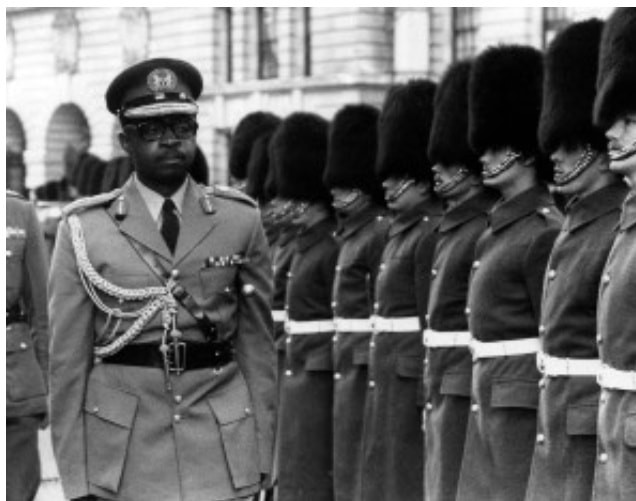
The coup d’tat of 15th January 1966 and the counter coup of July 29, 1966 have left our nation bleeding from permanent scars and wounds.
Regarding the second coup which claimed the lives of the military Head of State, General Johnson Aguiyi-Ironsi and the military Governor of Western Region, Colonel Adekunle, here are two witness statements:
- Lieutenant Colonel William Walbe (Rtd)
“We arrested him as we arrested Aguiyi-Ironsi. We suspected him for being party to the January coup. You remember the Battle Group Course which was held in Abeokuta…..Fajuyi was the commander of the Battle Group Course…. All those who took part in the January coup were those who had taken part in the course….he had to suffer too. I am sorry about that but that is the nature of the life of a military man….”
- Lieutenant-General T.Y. Danjuma (Rtd).
“It was under Fajuyi that the training on the raid of the Sarduana (of Sokoto) took place. The chaps could not stomach Fajuyi such that if there was anybody who should die first, as far as they were concerned, it was Fajuyi, not even Aguiyi-Ironsi.
Having regard to the situation in our country, we have to tackle corruption:
“NIGERIA LOST $130 BILLION TO CORRUPTION IN 8 YEARS.
- Us
“While numerous reports and studies have highlighted massive losses to corruption in Nigeria, there is no single, recent US government report specifically stating that Nigeria lost exactly $130 billion to corruption in a specific 8-year period. However, several reports from other sources have indicated figures within that range, and official statements often mention similar staggering amounts.
Here is a breakdown of the information regarding Nigeria’s corruption losses based on search results:
- $157.5 Billion over 10 Years (2003-2012): In 2019, former President Muhammadu Buhari cited a 2014 Global Financial Integrity report, stating that Nigeria lost an estimated $157.5 billion in illicit financial flows over that ten-year period.
- Over $582 Billion Since Independence: A 2024 citation of a report by Chatham House (quoted in The Economist) indicated that $582 billion was stolen from Nigeria between 1960 and 2019.
- $130 Billion in Illegal Outflows (2000-2008): An earlier report by Dev Kar, a former IMF economist, indicated that approximately $130 billion was lost to illicit financial flows (including bribery and tax evasion) from Nigeria between 2000 and 2008.
- $130 Billion+ Border/Customs Losses: Reports from 2017 suggested that over N130 billion (Naira) was lost due to corruption at land borders alone over a three-month period.
- $18 Billion Yearly Loss: A 2024 report indicated that Nigeria loses about $18 billion annually to financial crimes and corrupt procurement processes.
Recent US-Nigeria Anti-Corruption Action
While the specific “$130 billion in 8 years” report is not in the latest results, the US government actively tracks corruption in Nigeria. In 2025, the U.S. Department of Justice and the Nigerian government agreed to repatriate approximately $52.88 million in assets forfeited as part of a crackdown on corruption in the oil industry.
Recent Corruption Ranking
According to Transparency International’s 2025 Corruption Perceptions Index, Nigeria ranked 142nd out of 180 countries, scoring 26 out of 100, indicating a continued, albeit stagnant, battle against public sector corruption. “
Furthermore, we have to hold old boys of King’s College, Lagos to a higher standard of conduct. A case in point is IHS :
“ThisDay” newspaper of February 19, 2026:
“FEDERAL GOVERNMENT TO REVIEW ACQUISITION OF IHS TOWERS BY MTN GROUP”
“The federal government is to review the acquisition of IHS towers by the MTN Group, the Minister of Communications, Innovation and Digital Economy, Dr. Bosun Tijani, has disclosed.
In a statement which he personally signed, yesterday, the Minister noted that the telecommunications sector was very sensitive to national security.
“Given the strategic importance of telecommunications infrastructure to national security, economic growth, financial services, innovation, social inclusion, and to ensure strategic actions by private sector operators are in line with the market development agenda under the renewed hope policy directions of the President, the ministry will undertake a thorough assessment of this development in collaboration with the relevant regulatory authorities to review its impact on the sector.
“Our objective is clear: to ensure that any market consolidation or structural changes protect consumers, safeguard investments, and preserve the long-term sustainability of the sector.”
According to him, the government remained committed to maintaining a stable, transparent, and forward-looking policy environment that keeps Nigeria’s telecommunications industry on a strong and sustainable path, in alignment with broader vision of building a robust digital economy.
He also said the Federal Ministry of Communications, Innovation and Digital Economy noted recent developments in the Nigerian telecommunications sector regarding the acquisition of IHS towers by MTN Group.
“Over the past two years, under the leadership of President Bola Ahmed Tinubu, this administration has taken deliberate steps to stabilise and strengthen the telecommunications sector as a critical pillar of Nigeria’s digital economy.
“Through policy clarity, regulatory support, and sustained engagement with industry stakeholders, government has prioritised long-term sustainability, investor confidence, and improved sector performance.
“Recent financial results announced by key operators indicate a return to improved profitability, increased investment in telecoms infrastructure and operational stability across the sector,” he said.
This progress, he said, reflected the resilience of the industry and the impact of reforms aimed at ensuring its viability and capacity to continue delivering meaningful connectivity to Nigerians.”
I have a professional interest in the matter. What the government should do is to set up a wide ranging investigation rather than confine itself to the searchlight to be beamed by the Minister of Communications, Innovation and Digital Economy, Dr. Bosun Tijani.
For now I shall keep my powder dry. I can however disclose that the promoters of IHS were introduced to my firm – J.K. Randle & Co. Chartered Accountants by another KCOB Mr. Adeniran Aderogba.
The promoters had previously worked for …………………..which was owned by Mr. Gilbert Chagory and Mr. Rowland Chagory.
They ………….had been granted Nigeria’s first mobile telephone licence by late General Sani Abacha. The licence was subsequently cancelled by General Olusegun Obasanjo and I think the matter is still in court.
When the promoters of IHS wanted to raise money on the Nigerian Stock Exchange, there was a hitch. We would have to make full disclosure regarding the allocation of bonus shares to the promoters. The bonus shares would be based on the revaluation of a leasehold property in Lekki, Lagos. Our professional opinion which we conveyed to the promoters was that according to the extant regulations, only 55 per cent of the revaluation (by a professional valuer) could be reflected in the accounts. They disagreed with us and insisted that “PWC” (Proceed With Caution !!) had given them a contrary opinion. We requested for a copy of the opinion in writing. We were confident that PriceWaterhouse Coopers could not have given them such an opinion. It was never produced.
FURTHER READING
- Mirabel Not Arrested, Discharged from ICU – Ogun Police
- Tinubu Warns Against Violence, Intimidation Ahead of FCT, Rivers, Kano Polls
- Edo Student Freed After N2 Million Ransom Payment
Besides, both the Chairman and the Chief Executive of the Nigerian Stock Exchange were hesitant about granting approval to a company that had virtually no track record to raise money on the Exchange. Their concern was that the funds raised would be “exported” abroad. Anyway, they reluctantly granted approval and IHS was able to raise the funds.
Thereafter, IHS swiftly removed us as auditors and replaced us with PWC !!
All our protests to the Senior Partner of PWC were to no avail. IHS took off from its humble beginnings and proceeded to dump the Nigerian shareholders who had invested in the company. It exited the Nigerian Stock Exchange amidst considerable controversy. Some of the Nigerian shareholders were aggrieved. They believed that they had been short-changed.
This is going to be a Test Case.
The real McCoy.
KPMG
As for the “XKPMG” versus KPMG” matter. The facts are as follows: