- The House urged the Federal Government to take stronger diplomatic action against South Africa
- Lawmakers condemned renewed attacks and killings of Nigerians in the country
- Meanwhile, 282 evacuated Nigerians returned to Lagos from South Africa
The House of Representatives has called on the Federal Government to adopt stronger diplomatic measures against South Africa following renewed xenophobic attacks, alleged extrajudicial killings and the reported persecution of Nigerians and other African migrants living in the country.
Eko Hot Blog gathered that the resolution was passed on Thursday after lawmakers unanimously adopted a motion of urgent public importance moved by Yusuf Gagdi, who represents the Kanke/Kanam/Pankshin Federal Constituency of Plateau State. The plenary was presided over by Deputy Speaker Benjamin Kalu.
EDITOR’S PICK
- UN Mobilizes Humanitarian Aid For Venezuela Following Twin Earthquakes
- Dollar To Naira Exchange Rate Today, June 26, 2026
- Concerns As Repentant Boko Haram Members Allegedly Join Army Recruitment
Meanwhile, 282 Nigerians, including 12 infants, arrived at the Murtala Muhammed International Airport in Lagos on Thursday aboard the fourth evacuation flight operated by Air Peace from South Africa.
The Ministry of Foreign Affairs confirmed the development in a statement issued by its spokesperson, Kimiebi Ebienfa, stating that the flight landed at about 7:30 p.m.
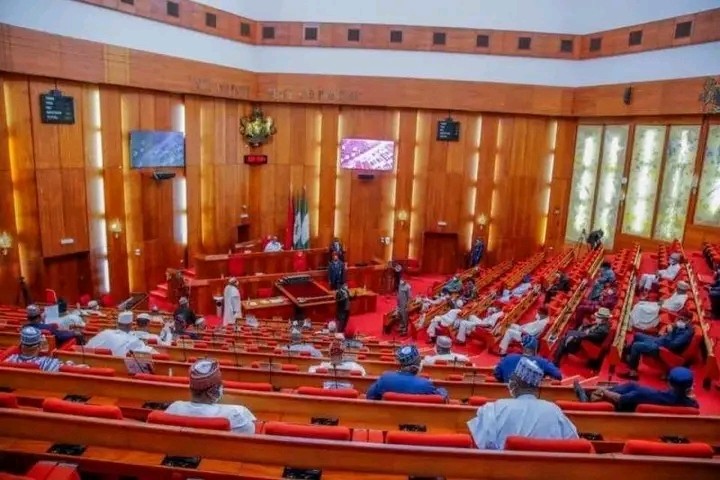
Presenting the motion, Gagdi said Nigeria could no longer remain passive as its citizens continued to face repeated attacks despite years of diplomatic engagement with South African authorities.
He noted that recurring incidents of xenophobic violence had resulted in deaths, destruction of businesses, unlawful arrests, forced displacement and widespread fear among Nigerians and other African nationals residing in South Africa.
The lawmaker also cited reports of fresh attacks involving citizens of several African countries, including Nigeria, Ghana, Zimbabwe, Zambia, Mozambique and Malawi.
According to him, the Federal Government recently confirmed the deaths of two Nigerians in South Africa, including one who reportedly died in police custody and another who was killed outside his business premises.
Gagdi recalled Nigeria’s historic support for the anti-apartheid struggle, arguing that the continued attacks on Nigerians contradict the spirit of African solidarity and the sacrifices made by Nigeria during South Africa’s liberation.
He expressed concern that repeated assurances by the South African government had failed to stop the violence or ensure justice for victims
Several lawmakers supported the motion, urging the Federal Government to intensify diplomatic pressure on Pretoria.
Billy Osawaru called for decisive action, alleging that South African security agencies had failed to adequately protect foreign nationals.
Moshood Akiolu urged the National Assembly to invite officials of the South African High Commission in Nigeria to explain measures being taken to safeguard Nigerians.
Ghali Tijjani argued that Nigeria should reconsider aspects of its diplomatic and economic relationship with South Africa if the attacks persist, while Adebayo Adepoju advocated seeking international legal remedies and providing support for affected Nigerians rebuilding their lives.
Following the debate, the House urged the Federal Government to summon the South African High Commissioner to explain the recent killings and clarify Pretoria’s position on the protection of Nigerians and other African residents.
Lawmakers also demanded an independent, transparent and internationally monitored investigation into the deaths of affected Nigerians and other African victims to ensure those responsible are brought to justice.
In addition, the House called on the Federal Government to engage the African Union, the Southern African Development Community, the United Nations and the African Commission on Human and Peoples’ Rights to strengthen protection for African migrants in South Africa.
The lawmakers further recommended reviewing bilateral relations with South Africa and, where necessary, suspending or adjusting areas of cooperation until credible guarantees are provided for the safety of Nigerians.
The House also sought improved consular services, legal support, emergency evacuation plans and reintegration assistance for Nigerians willing to return home.
An ad hoc committee was constituted to engage South African authorities, the African Union and other relevant bodies, investigate the recurring attacks and submit its findings within 21 days
FURTHER READING