- Sanwo-Olu, Uzoka-Anite, Industry Leaders Push for Credit Reform
- As NICA hosts 2025 credit managers conference
- Adedipe urged the CBN to redefine its mandate around price stability, job creation, and financial stability
The 2025 National Institute of Credit Administration (NICA) Credit Managers Conference and Industry Awards, held last Wednesday, brought together top government officials, business leaders, and credit professionals, renewing calls for an overhaul of Nigeria’s credit regulation framework.
Eko Hot Blog reports that the event attracted prominent dignitaries, including Lagos State Governor Babajide Sanwo-Olu, represented by the Permanent Secretary of the Lagos State Debt Management Office, Alake Sanusi, as well as the Minister of State for Finance, Dr. Doris Uzoka-Anite.
EDITOR’S PICK
- FCT Court Rejects EFCC Witnesses in Emefiele Trial
- Tems Reveals Alternate Career Path Before Music Fame
- Lamido Holds Emergency PDP Stakeholders Meeting Amid Party Crisis
NICA Registrar/CEO, Prof. Chris Onalo, described the conference as “one of the most important platforms for stakeholders committed to advancing credit management and contributing to Nigeria’s economic stability.”
Delivering the keynote address, founder and Chief Consultant of B. Adedipe Associates Limited, Dr. Biodun Adedipe, said Nigeria cannot achieve its $1 trillion economy aspiration by 2030 without a stronger, transparent, and well-regulated credit ecosystem.
He criticised what he described as the Central Bank of Nigeria’s “one-size-fits-all regulation,” noting that commercial, mortgage, and microfinance banks operate in different realities. According to him, current liquidity ratio policies restrict lending despite efforts to boost credit expansion.
“The CBN has raised the loan-to-deposit ratio to encourage lending, yet imposes liquidity and reserve requirements that push banks toward liquid assets instead of credit expansion,” he said.
Adedipe urged the CBN to redefine its mandate around price stability, job creation, and financial stability, stressing that nearly 90% of Nigerian adults rely on informal credit. He insisted that regulators must incentivise formal lending to deepen financial inclusion.
Representing Governor Sanwo-Olu, Alake Sanusi commended NICA’s efforts in strengthening Nigeria’s credit environment. He said Lagos State continues to prioritise policies that support a resilient and transparent credit system.
“A functional and well-regulated credit system is essential for supporting MSMEs, deepening financial inclusion, and driving sustainable growth,” he said, adding that Lagos remains committed to responsible borrowing and credit governance.
Also speaking at the event, Minister of State for Finance, Dr. Doris Uzoka-Anite, warned that Nigeria’s credit market faces rising risks of abuse, instability, and systemic shocks. She emphasized that the health of the nation’s credit system is fundamental to its economic foundation.
“The strength of a nation’s credit system is closely tied to the strength of its economic foundation,” she said. She added that addressing current weaknesses requires coordinated collaboration among regulators, policymakers, financial institutions, practitioners, technology innovators, and academics.
Earlier, Prof. Onalo highlighted the relevance of the conference theme, “Credit Policy and Regulation: The Frameworks and Policies that Impact Credit Management in Nigeria,” describing it as timely given the evolving regulatory landscape.
He noted that the conference provides “enormous networking opportunities” and equips participants with insights into credit risk management, compliance, and emerging technologies shaping modern credit administration.
NICA President, Mr. Andy Ojei, praised newly inducted members, graduates, and award recipients, describing their achievements as a strong demonstration of professionalism and discipline within the credit sector.
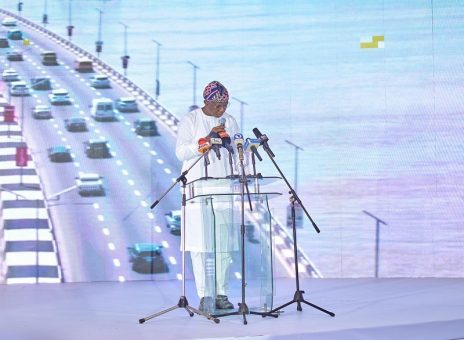
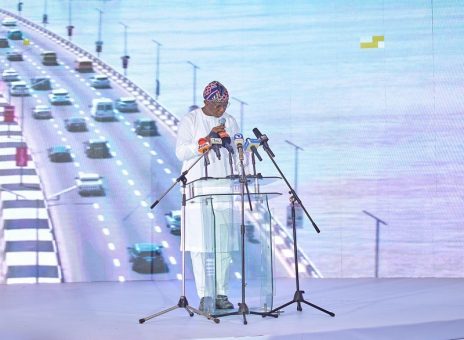
He reiterated NICA’s statutory mandate under Act No. 26 of 2022 to regulate and promote credit administration in Nigeria, stressing that collaboration between government and the private sector is vital for economic transformation.
“Government cannot implement its economic development policies in isolation,” he said, urging deeper partnerships to advance Nigeria’s credit culture.
The event also featured the 10th Annual Nigeria Credit Industry Awards, honouring outstanding contributors across various categories, including entrepreneurs, credit managers, and financial analysts.
As the ceremony progressed, Prof. Onalo reminded participants that every activity from the deliberations to the inductions and awards represents “a step toward building a more resilient, inclusive, and prosperous credit economy for Nigeria.”
He expressed optimism that the 2025 conference would inspire new ideas, reinforce partnerships, and strengthen the collective resolve to reform and deepen the nation’s credit system.
FURTHER READING
- Olubadan Predicts Rapid Economic Growth for Ibadan
- Group Raises Alarm Over Nigeria’s High Malaria Deaths
- Over 160,000 Lagos Residents Living with HIV
Click here to watch video of the week