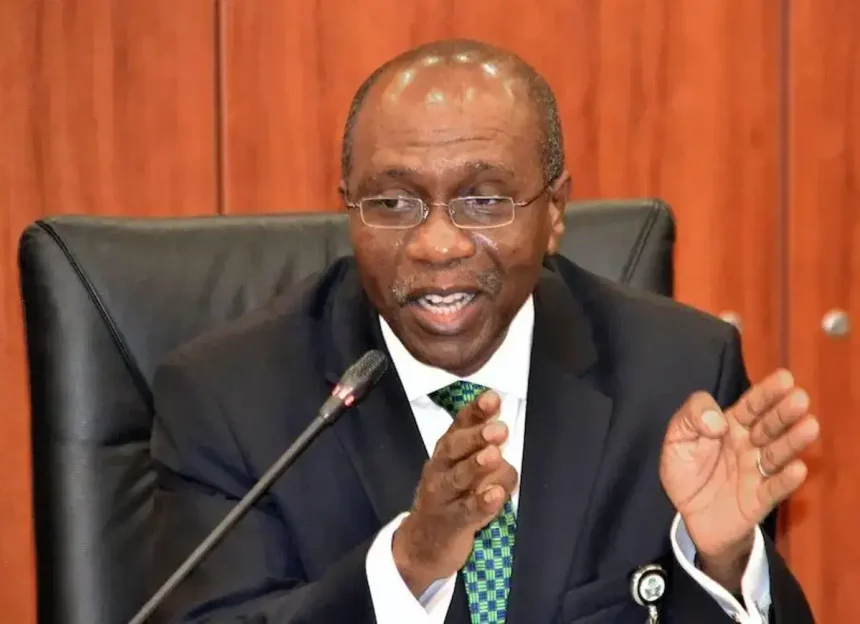
- The trial court had earlier faulted the EFCC for attempting to ambush the defence with new evidence
- The case, adjourned to January 29, 2026, involves a 20-count charge accusing Emefiele of procurement breaches
- the judge held that the trial court cannot contradict itself by admitting the same witnesses
Fresh twists have emerged in the ongoing trial of former Central Bank of Nigeria Governor Godwin Emefiele as a High Court of the Federal Capital Territory halted the Economic and Financial Crimes Commission (EFCC) from presenting three subpoenaed witnesses in the case.
Eko Hot Blog reports that Justice Hamza Muazu ruled that the witnesses were listed in an additional proof of evidence, earlier struck out by the court on March 20.
EDITOR’S PICK
- Olubadan Predicts Rapid Economic Growth for Ibadan
- Tinubu Announces New Strategy to Curb Farmer, Herder Violence
- Over 160,000 Lagos Residents Living with HIV
Since the EFCC has already appealed that ruling, the judge held that the trial court cannot contradict itself by admitting the same witnesses while the appeal is pending.
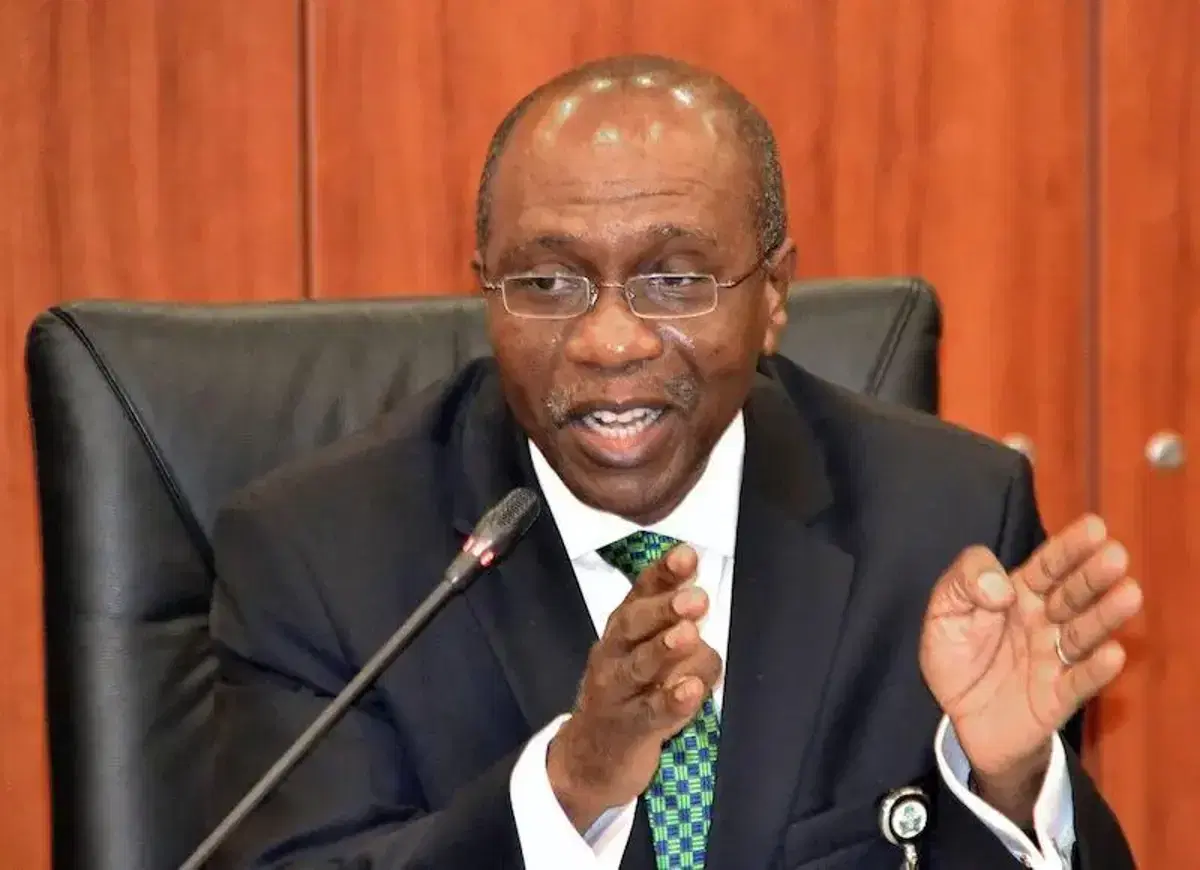
The case, adjourned to January 29, 2026, involves a 20-count charge accusing Emefiele of procurement breaches amounting to over N1.2 billion, including contracts for dozens of vehicles and alleged corrupt advantages to a CBN staff member.
During the recent session, Emefiele’s counsel, Mathew Burkaa (SAN), argued that the EFCC’s attempt to reintroduce the witnesses constituted an abuse of process, as their names had been rejected previously.
The defence insisted that the prosecution was trying to smuggle fresh evidence into the matter long after trial had begun.
The EFCC, however, countered that one of the witnesses, Alvan Grumman, was part of the investigative team and should be allowed to testify. Nonetheless, the judge maintained that the agency must await the appellate court’s decision.
The trial court had earlier faulted the EFCC for attempting to ambush the defence with new evidence after multiple amendments to the charge, warning that such practices violate the defendant’s right to fair hearing.
FURTHER READING