- Why Solar Power May Never Replace Traditional Electricity in Nigeria
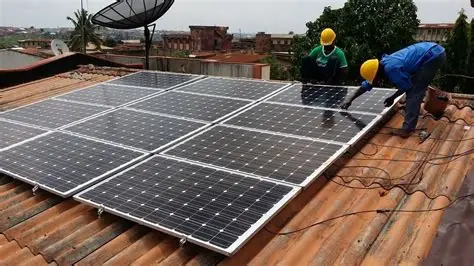
When Nigeria’s grid fails as it often does solar arrives in glossy ads and rooftop promises uninterrupted light, lower fuel bills, an escape from noisy generators. The logic is compelling.
Millions of households endure daily outages; SMEs spend heavily on diesel; the sun, after all, is free.
That reality has fuelled a surge in demand for solar kits, mini-grids and pay-as-you-go systems. But beneath the optimism lie stubborn economic and technical limits that make a wholesale switch from grid and generators to solar both slow and, for many Nigerians, unaffordable.
EDITOR’S PICKS
- Trump Pushes for ‘Golden Fleet’ Warships to Counter China’s Growing Threat
- Former Oyo Catholic Bishop Julius Adelakun is Dead
- Nigeria to Deliver 4,000MW Renewable Energy Capacity Under ‘Nigeria First’ Policy
First, the sticker shock. A modest residential solar kit that covers basic lighting, phone charging and a few fans commonly costs hundreds of thousands of naira; more resilient hybrid systems with larger battery banks and inverter setups run into the millions. Local suppliers list 1kW–3kW kits from roughly ₦480,000 to ₦1.5m, while full-scale residential installations and commercial systems can reach several million naira.
Battery packs the most expensive and frequently replaced element range from several hundred thousand naira for small lead-acid units to over ₦1m for mid-sized lithium banks; larger 5–15kWh lithium packs that deliver longer autonomy cost even more.
Those figures matter because a large share of Nigerians simply do not have the spare cash to buy them outright. With poverty and low incomes still widespread, many families would need years of savings or high-cost credit to fund a reliable solar system.
That affordability gap shows in the numbers. National surveys find solar home systems and mini-grids still serve a small minority of households: formal statistics and household surveys put solar penetration in single digits generally between 2 and 5 percent depending on definitions while generator ownership remains far more common. In short, solar today supplements existing options rather than replacing them for most Nigerians.
Beyond cost, technical limits blunt solar’s capacity to substitute for grid or generator power at scale. Rooftop systems and batteries handle lights, phones, routers and small appliances well, but they struggle with heavy, continuous loads: industrial motors, large air-conditioning systems, cold-rooms, welders and factory lines require sustained kilowatts and kVA capacity that would demand enormous panel arrays and battery banks and therefore prohibitive capital. For many businesses, hybrid approaches (solar paired with diesel gensets) reduce fuel spend but do not eliminate dependence on conventional power.
Hidden, recurring costs further erode the economics. Batteries degrade and must be replaced every 5–10 years; inverters and charge controllers fail; panels lose efficiency in dusty, coastal or shaded environments and require cleaning and occasional repairs. Skilled maintenance is limited and often costly; warranty claims and mismatched component upgrades frequently push lifetime costs above initial estimates. When life-cycle replacement and maintenance are included, the levelised cost of a poorly specified system can exceed expectations and narrow the expected savings against diesel or unreliable grid supply.
Intermittency and climate sensitivity matter too. Solar output drops during the rainy season, in dust storms and when shading or soiling occurs. Without large battery reserves or reliable grid backup, households and businesses face the very gaps they bought solar to avoid. Mini-grids and utility-scale solar can smooth supply, but they require complex financing and skilled operations.
So who can realistically go all-solar today?
Micro-businesses, small shops, phone-charging kiosks and modest households often supported by pay-as-you-go models or donor subsidies can and do benefit. 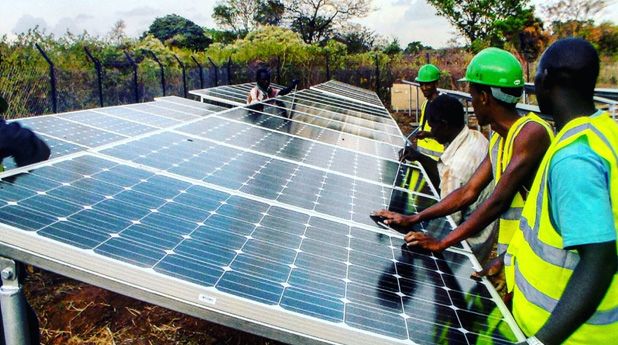 For hospitals, factories, hotels and larger enterprises, fully abandoning generators and grid backup remains financially and technically challenging without concessional finance, large capex, or policy supports such as tax breaks, guaranteed grid take-off, and investment in storage. Until those elements scale, solar will remain an essential complement not a replacement to Nigeria’s traditional power mix.
FURTHER READING
- Obasanjo Explains Why He Rejected El-Rufai as Successor
- NOA Launches ₦22m Animation Contest to Promote National Values
- Gombe Commissioner Dies in Road Accident