- A TikTok creator, identified as Love, is facing a ₦50 million legal battle after posting a video questioning why a loaf of bread remained fresh and mold-free for two months.
- The creator maintains she was “intentional” and “careful” not to show any logos or mention any brand names in the original clip to avoid litigation.
- Solicitors for “Bon Bread” reportedly served the TikToker with a legal letter, claiming the video targeted their product despite her efforts to remain anonymous.
A social media review has taken a costly turn for a TikToker who now finds herself at the center of a ₦50 million lawsuit.
Eko Hot Blog reports that the user, known simply as Love, revealed on Friday, April 17, 2026, that she has been served with legal papers by solicitors representing a company named Bon Bread.
EDITOR’S PICKS
- JAMB Delists 23 CBT Centres, Warns 89 After Mock UTME Review
- NASA Astronauts Return to Earth After First Human Trip to the Moon in 50 Years
- INEC Shifts Nationwide Voter Revalidation Until After 2027 General Election
The legal action stems from a viral video posted three days prior, in which Love expressed alarm over the unnatural shelf life of a loaf of bread she had kept in her shop for eight weeks.
In the clip, she noted that the bread still looked and smelled as though it had just been baked, sparking a massive debate in the comments section about food safety and preservatives.
In a follow-up video, a visibly surprised Love displayed the legal documents, insisting she had taken precautions to protect herself. “I was very intentional in that video; I didn’t mention any brand, and I didn’t show their logo,” she stated.
She explained that while many viewers in her comment section pressured her to name the brand or guessed various manufacturers based on their own experiences, she remained silent on the identity of the bread.
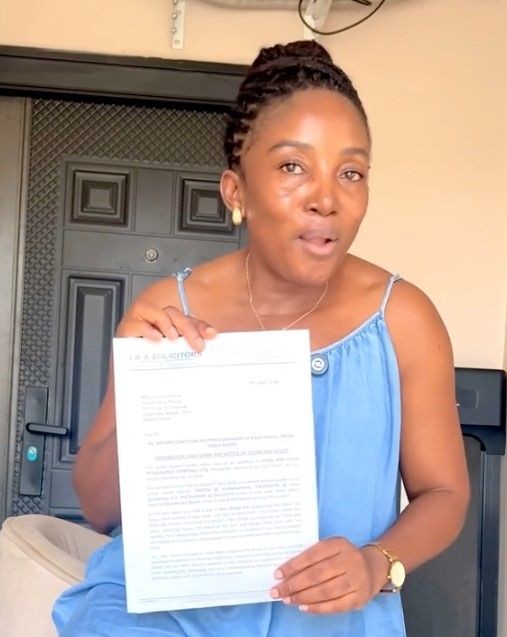
However, according to her account, Bon Bread contacted her via direct message just one day after the post went viral, followed shortly by the ₦50 million demand.
While consumers increasingly use platforms like TikTok to share concerns about product quality, companies are becoming more aggressive in defending their brand reputation against “hidden” or implied criticism.