- Tinubu Counters Obasanjo, Vows To Revive Nigeria’s Three Moribund Refineries
- Insists Port Harcourt, Warri, Kaduna refineries will work
- Takes responsibility for Nigeria’s troubled refineries
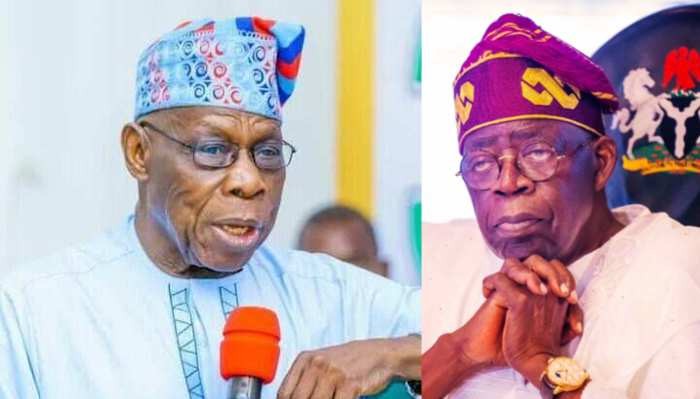
President Bola Tinubu has rejected former President Olusegun Obasanjo’s doubts over the viability of Nigeria’s state-owned refineries, insisting that the facilities in Port Harcourt, Warri and Kaduna will eventually return to operation.
Eko Hot Blog reports that Tinubu made his position known on Thursday when he received the Executive President of the Nigeria Union of Petroleum and Natural Gas Workers, Salimon Oladiti, and other members of the union at the Presidential Villa in Abuja.
EDITOR’S PICK
- Mr. President, Osun Has Warned You: The Abuja Boys May Not Know the People
- How Lagos Is Raising a New Generation of ‘Eco Heroes’
- Beyond the Glamour: The Hidden Price Celebrities Pay for Looking Perfect
The President’s comments represent his clearest response yet to Obasanjo’s repeated criticism of efforts to revive the three refineries, which have remained largely inactive despite years of rehabilitation spending.
Tinubu said his administration was determined to make the refineries operational, but stressed that restarting the facilities would not be enough unless they could operate profitably.
“The refineries you mentioned are going to come back to work. We’re just building a very firm research and structural reworking of the economy of it.
“Ordinary flame and smoke of a refinery doesn’t mean it’s working, until it’s profitable and yields the value for which it is built,” he said.
The President said he would not dwell on the circumstances that led to the failure of previous rehabilitation efforts, arguing that the responsibility for fixing the facilities now rested with his administration.
“I am not a man who looks back because I have accepted the asset and liability of my predecessor, no matter what has happened in the years past. It is my responsibility now to fix it and make it work for the largest common value of our population,” Tinubu said.
“I take responsibility for that, and I’m going to do it.”
Obasanjo Questions NNPC Management
Tinubu’s position contrasts sharply with Obasanjo’s long-standing argument that the Nigerian National Petroleum Company Limited may not be the right entity to operate the government-owned refineries.
In a recent interview, Obasanjo argued that public-private partnerships offered a more sustainable model for managing major government assets.
The former President cited the Nigeria Liquefied Natural Gas model, where private investors hold a majority stake, as an example of how government and private capital could work together.
He said his experience while serving as President between 1999 and 2007 convinced him that the state-owned refineries faced structural problems that could make successful operation difficult.
According to Obasanjo, he had approached Shell to take a minority stake and operate the refineries, but the company rejected the proposal.
He said the oil major later explained that the facilities were too small by international standards, had suffered years of poor maintenance and were surrounded by corruption.
Obasanjo also recalled that Aliko Dangote had offered $750 million for a 51 per cent stake in two of the refineries during his administration.
He claimed the transaction was later reversed by the administration of the late President Umaru Musa Yar’Adua after pressure from the NNPC.
Obasanjo said he subsequently warned Yar’Adua that the government could struggle to recover value from the facilities if they continued under state management.
Debate Over Rehabilitation Costs
The huge expenditure on attempts to revive the refineries has remained a major point of controversy.
Obasanjo recently claimed that the government had spent about $16 billion on rehabilitation efforts, comparing the figure with the cost of constructing the Dangote Refinery.
Dangote Group President Aliko Dangote has also previously expressed reservations about the government’s approach to rehabilitating the facilities.
Dangote, who said his company acquired the refineries in 2007 before the transaction was reversed, argued that repeatedly carrying out turnaround maintenance on ageing plants could present significant technical challenges.
Tinubu Backs Refinery Revival
Despite the criticism, Tinubu’s latest comments indicate that his administration remains committed to reviving the government-owned facilities rather than abandoning them.
The President’s position also aligns with recent efforts by the NNPC to secure partnerships for the rehabilitation of the Port Harcourt and Warri refineries.
The central challenge for the administration will now be to demonstrate that the plants can move beyond repeated rehabilitation announcements and achieve sustained, commercially viable refining operations.
For Tinubu, the objective is not merely to see the refineries restart but to ensure they operate profitably and contribute meaningfully to Nigeria’s energy security and economy.
FURTHER READING
- UBEC Gives Dropout Girls, Young Mothers Second Chance With Agboju School
- Prepaid Water Meters Will Hurt Poor Households, CAPPA Warns Lagos
- US Diplomat Brandon Hudspeth Arrives in Lagos to Lead Consulate
Click here to watch video of the week