- “I assure you that we will do everything necessary to defeat terrorism and banditry
- He praised governors of Borno, Katsina, and Kaduna states, among others
- He noted that while the Federal Government provides overarching guidance
President Bola Tinubu on Monday vowed that Nigeria will overcome terrorism and banditry, describing the persistent security threats as “unacceptable” and contrary to the nation’s values.
Eko Hot Blog reports that he also emphasised that the next phase of national development depends heavily on states and local governments effectively implementing the Renewed Hope National Development Plan 2026–2030.
EDITOR’S PICK
- ADC Requests INEC to Postpone FCT Area Council Elections
- Tope Alabi Welcomes Grandchild
- CBN to Introduce New Policy to Regulate Debit Card Issuance, ATM Operations
Speaking at the opening of the Second National Economic Council (NEC) Conference at the State House Conference Centre in Abuja, Tinubu assured Nigerians that his administration would strengthen security forces to restore peace in affected areas.
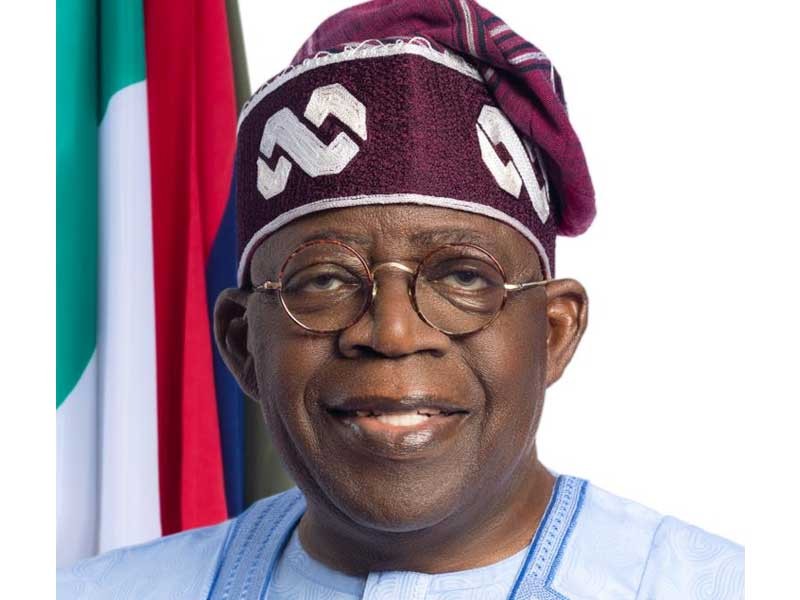
“I assure you that we will do everything necessary to defeat terrorism and banditry. These threats are foreign to our culture, and we will overcome them through determination and resilience,” the President said.
He praised governors of Borno, Katsina, and Kaduna states, among others, for their efforts to defend citizens and protect communities against insecurity. Tinubu described terrorism not only as a moral issue but also as a major obstacle to economic growth, urging coordinated action across all levels of government.
Turning to the nation’s economic agenda, the President highlighted the Renewed Hope National Development Plan 2026–2030 as Nigeria’s blueprint for inclusive and sustainable growth.
He noted that while the Federal Government provides overarching guidance, the success of the plan depends on states and local councils translating national priorities into tangible results.
“The theme of this conference, ‘Delivering Inclusive Growth and Sustainable National Development,’ underscores our commitment to move from recovery to transformation and ensure growth reaches all Nigerians,” Tinubu said.
He also commended the NEC, led by Vice President Kashim Shettima, for providing a platform that fosters policy coordination, dialogue, and collaborative action between federal and subnational governments.
Acknowledging Nigeria’s structural challenges—including macroeconomic imbalances, infrastructure gaps, unemployment, poverty, climate vulnerability, and limited fiscal capacity, Tinubu said the nation’s resilience and ingenuity remain strong.
He cited improved FAAC allocations, stronger public financial management, and enhanced fiscal coordination as evidence of progress under his administration.
The President also highlighted infrastructure projects in transportation, power, digital connectivity, housing, and irrigation, alongside social investment programs targeting youth, women, small businesses, and vulnerable households.
He stressed that the Renewed Hope Ward Development Project would deepen grassroots participation through a bottom-up approach.
On the 2026–2030 development plan, Tinubu emphasised its evidence-based, inclusive, and sustainable approach, focusing on economic diversification, human capital development, subnational competitiveness, private sector-led growth, and climate resilience.
He urged state and local government leaders to move beyond policy declarations toward results-driven implementation, using data, peer learning, and innovative financing. “Nigeria’s diversity is our strength. When every state grows, Nigeria grows,” the President said.
Concluding his address, Tinubu expressed confidence that the conference’s outcomes would accelerate inclusive growth and sustainable national development before officially opening the NEC gathering.
FURTHER READING