- Tinubu’s $1trn Economy Drive Gains Momentum with $500bn Investment Target
- Organisers say the summit is designed as more than a ceremonial gathering
- Observers say the success of the summit will depend not just on the volume of commitments secured, but on how quickly and effectively they are executed
President Bola Ahmed Tinubu’s ambition to grow Nigeria into a $1 trillion economy by 2030 is gaining clearer direction, as organisers of the World Investment Summit Abuja 2026 project about $500 billion in investment commitments from the event, Eko Hot Blog reports.
Speaking at a world press conference in Abuja, the Director-General and Convener-General of the summit, Adeniyi Adeyemi Matthew, described the $500 billion target as both a major catalyst and a test of Nigeria’s economic vision under the Renewed Hope Agenda.
EDITOR’S PICK
- EFCC Warns Nigerians Over Fake Officers, Illegal Sting Operations
- COVID-19 Alert in Calabar as Chinese National Undergoes Isolation
- Invest in Lagos, Sanwo-Olu Tells Commonwealth at London Summit
While the long-term goal remains a $1 trillion economy, attention is now shifting to the more immediate challenge of securing $500 billion in investments—seen as a key step in turning that ambition into reality.
Organisers say the summit is designed as more than a ceremonial gathering.
Instead, it will serve as a platform for closing real investment deals, with expectations of binding commitments and Memoranda of Understanding across critical sectors.
The event is expected to attract over 120 heads of state and government, alongside global CEOs, sovereign wealth fund managers, and institutional investors, positioning Abuja as a temporary hub for global capital.
According to Matthew, the focus is firmly on results. “This is not about rhetoric; it is about outcomes,” he said, noting that the summit is structured to deliver tangible financial agreements.
Analysts believe that if the $500 billion target is achieved, it would rank among the largest coordinated investment drives in Africa, with the potential to boost productivity, create jobs, and fast-track infrastructure development.
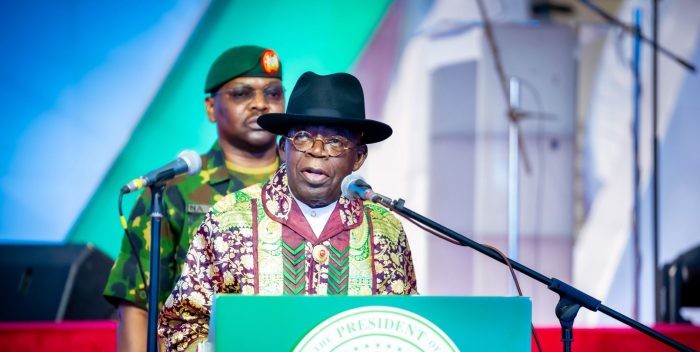
Key sectors targeted include energy, infrastructure, agriculture, and technology—areas widely seen as critical to addressing Nigeria’s long-standing economic challenges and improving competitiveness.
The summit is also expected to generate at least 200 Public-Private Partnership (PPP) deals, aimed at bridging infrastructure gaps and unlocking economic value.
Beyond attracting capital, there are plans to establish a World Investment Bank in Abuja. If realised, the institution could elevate Nigeria’s role from a recipient of investments to a major player in directing capital flows across emerging markets.
Organisers also plan to unveil the Abuja Declaration on Global Investment, which could shape how international investments are structured in developing economies.
However, experts caution that the real test lies in implementation. Nigeria has historically struggled to translate investment pledges into tangible results, with issues such as policy inconsistency, regulatory uncertainty, and infrastructure deficits often discouraging investors.
In response, the federal government points to ongoing reforms aimed at stabilising the economy, including exchange rate adjustments, improved revenue generation, and efforts to enhance the ease of doing business.
Ultimately, observers say the success of the summit will depend not just on the volume of commitments secured, but on how quickly and effectively they are executed.
Still, the $500 billion target represents a bold step in accelerating Nigeria’s economic transformation, as Abuja prepares to host what could become a defining moment in the country’s growth journey.