- He described Obi’s position on the causes of rising petrol prices as inaccurate and misleading
- He linked the increases partly to tensions involving Iran and their influence on international oil prices
- Olusegun also disputed Obi’s suggestion that a strategic petroleum reserve would help stabilise everyday fuel prices
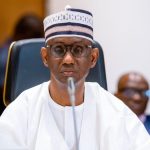
The Special Assistant to President Bola Ahmed Tinubu on Social Media, Dada Olusegun, has faulted remarks made by Peter Obi regarding the recent increase in fuel prices in Nigeria.
In a post shared on the social media platform X on Saturday, Eko Hot Blog gathered that Olusegun urged the former Anambra State governor to refrain from making comments on issues he does not fully understand.
EDITOR’S PICK
- “Pay Her Transport Fare Too”, Pete Edochie Stirs Debate on Dating Expenses
- Epe Students Parliament Declares Executive Seats Vacant Over Inauguration Dispute
- Osimhen Warns Galatasaray Ahead of Liverpool Match
He described Obi’s position on the causes of rising petrol prices as inaccurate and misleading.
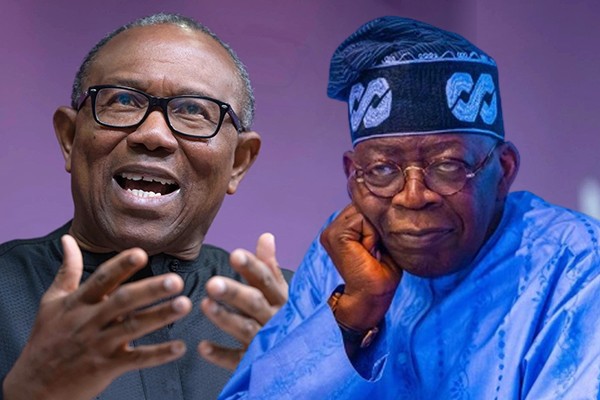
The reaction followed a statement issued by Obi earlier in the week in which the former presidential candidate of the Labour Party attributed Nigeria’s vulnerability to global oil price fluctuations to the absence of a strategic petroleum reserve and insufficient long-term planning by the government.
Obi had pointed out that the price of petrol, which sold for below ₦1,000 per litre weeks earlier, had climbed above ₦1,200, while diesel rose from under ₦1,000 to more than ₦1,500 per litre.
He linked the increases partly to tensions involving Iran and their influence on international oil prices.
Responding, Olusegun argued that the more immediate reason for the increase in pump prices was the deregulation of the fuel market following the removal of subsidy by the Tinubu administration.
According to him, in a deregulated system, petrol prices are influenced directly by global crude oil prices, foreign exchange rates, shipping costs, and supply risks.
He explained that when geopolitical developments push oil prices upward internationally, countries that rely heavily on imported refined products, like Nigeria, naturally experience increases at the pump.
Olusegun also disputed Obi’s suggestion that a strategic petroleum reserve would help stabilise everyday fuel prices. He said such reserves are typically maintained for emergency situations such as wars, embargoes, or major disruptions in supply.
He cited examples like the United States and China, noting that even countries with large petroleum reserves do not use them to control routine price movements in the global market.
While acknowledging that Nigeria faces significant structural challenges in its energy sector, Olusegun said the problem goes beyond the absence of a strategic reserve.
He pointed to long-standing issues such as limited domestic refining capacity and the country’s heavy dependence on imported petroleum products despite being a major crude oil producer.
According to him, meaningful long-term planning would involve strengthening local refining capabilities, improving supply chains, stabilising the foreign exchange environment, and maintaining consistent energy policies.
Olusegun also reminded Obi that during the 2023 presidential campaign he had publicly supported the removal of fuel subsidy, arguing that the current market-driven pricing framework reflects the type of policy Obi himself had proposed.
He concluded by urging the former governor to avoid simplifying complex global energy issues into political talking points, warning that doing so could mislead the public.
FURTHER READING