- Trump paused a planned strike on Iran
- Iran warned it would respond to any attack
- Talks continue over a nuclear agreement
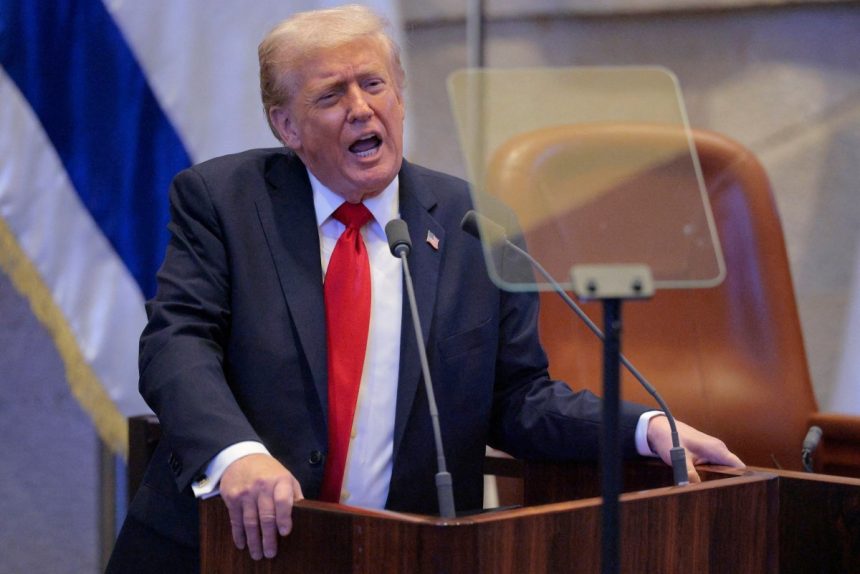
U.S. President Donald Trump has announced that he is putting a planned military strike against Iran on hold, saying he is giving diplomacy a chance if a swift agreement can be reached to curb Tehran’s nuclear programme and reopen the Strait of Hormuz.
In a post shared late Saturday on his Truth Social platform, Eko Hot Blog gathered that Trump said Iran and several Middle Eastern countries had requested time to finalise an agreement that would lead to the immediate reopening of the strategic waterway and eliminate concerns over Iran’s nuclear activities.
EDITOR’S PICK
- APC Youth Wing Opens Applications for 2026 Zacch Adedeji Taxation, Fiscal Policy Fellowship
- ‘Make Him President, Let’s See If Nigerians Become Millionaires’ – Presidency Mocks Obi
- Super Falcons Shift Focus to Zambia Clash After Malawi Defeat
According to Trump, he agreed to suspend the proposed attack in the hope of securing a deal that would benefit global stability and Iran’s future, provided negotiations progress quickly.
He also claimed that Israel supports the diplomatic approach, although Israeli authorities had not issued an official statement at the time of reporting.
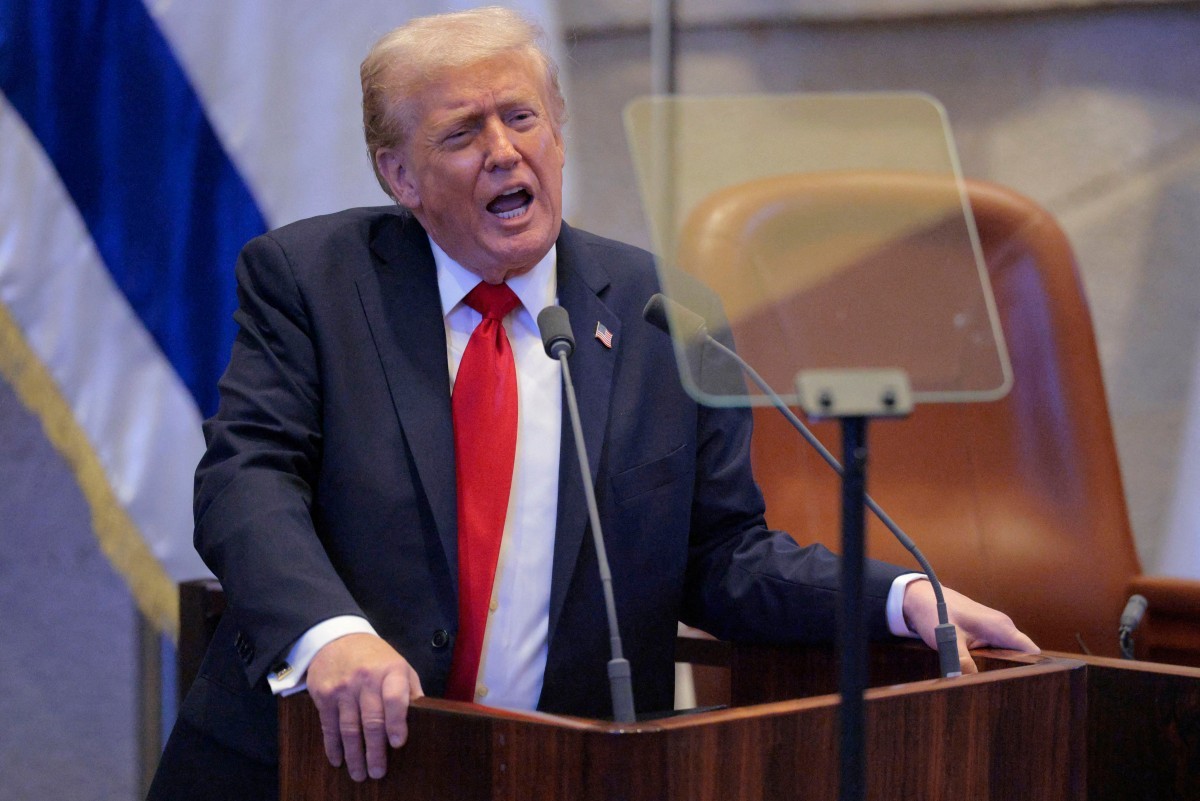
Meanwhile, Iran warned Washington against carrying out any military action, insisting it would respond forcefully to any attack on its territory.
Iranian Foreign Minister Abbas Araqchi delivered the warning during separate telephone conversations with senior officials from Turkey, Pakistan and Saudi Arabia on Saturday.
He said Tehran would react decisively to any aggression and expressed concern that further military action could worsen instability across the Middle East.
Araqchi also told Saudi Foreign Minister Prince Faisal bin Farhan that any joint action involving the United States, Israel or regional countries would be met with what he described as a proportionate response.
Reports also indicated that Saudi Crown Prince Mohammed bin Salman spoke with Trump on Saturday to seek clarification over Washington’s intentions regarding Iran.
Adding to regional tensions, Iran-affiliated media warned that attacks on Iranian energy infrastructure could trigger retaliatory strikes against oil and gas facilities in Saudi Arabia, the United Arab Emirates, Qatar and Israel.
At a cabinet meeting on Friday, Trump said he still believed U.S. negotiators could secure an agreement with Tehran, although he admitted his confidence in Iran had weakened.
The ongoing conflict has continued to affect global energy markets, with oil prices remaining elevated since hostilities involving the United States, Israel and Iran intensified earlier this year.
Security concerns have also disrupted shipping through the Strait of Hormuz, one of the world’s most important oil transit routes, while threats have expanded to other strategic waterways, including the Bab el-Mandeb Strait.
On Saturday, Kuwait reported that falling debris from intercepted hostile drones caused property damage but no casualties, while British maritime authorities also received reports of separate incidents involving commercial vessels near Oman, further highlighting growing risks to international shipping.
FURTHER READING