EDITOR’S PICK
- 540 Candidates Cleared as Lagos APC Moves to Elect LGA Executives
- Court Sentences Pastor to Death for Killing UniUyo Student
- Lagos Teacher Questions Lack of Recognition for One-Day Governor Mentors
These doors, one cheap motel room, the other a marble‑floored office , are not just places. They are metaphors for the kind of world the series exposes: a world where opportunity is not something you create, but something you must scramble for and negotiate with danger, leverage, and strategy.
“Life don’t wait for no one,” Kimmie mutters in episode three, gripping her phone as she tries to track down her sister.
This collision of environments is the beating heart of Beauty in Black, and it explains why the show grabs people because of its plot chaos and also because it reflects a logic many of us live under.
When Risk Is Not a Choice — It’s a Necessity
In the second episode, Rain, Kimmie’s best friend, gets a black‑market Brazilian butt lift in a motel room.

It’s organized by other dancers who know the risks and rewards better than most.
When the procedure goes disastrously wrong, it almost kills her, and suddenly Kimmie is forced to make decisions no one should have to make.
“I didn’t do this for vanity,” Rain says, eyes glazed from anesthesia. “I did this to survive.”
The reason Rain agrees to the surgery comes of as little bit of vanity, of course but mostly for its economics and it’s pressure.
It’s the same pressure millions feel when the jobs they want don’t exist, or the jobs they can get barely pay rent. The show renders that desperation uncomfortably clear.
Ask anyone who has ever borrowed money, taken a second job, or accepted a position they hated just to keep their head above water, and you’ll hear variants of the same logic Rain follows: sometimes the risk looks smaller than the alternative.
Rain survives the surgery, but what this scene makes you think about is bigger than a character’s health. It makes you ask how far you’d go when your options are limited, and the cost of not acting feels immediate and real.
“When you got nothing, everything feels like risk,” Kimmie whispers to herself as she counts the money she owes.
When Love and Loyalty Drag You Into Danger
The real fans of this show will confirm that the show didn’t portray only ambition. It portrayed the ugly, gorgeous mess that happens when loyalty, love, and survival intersect.
When Rain is hospitalized, Kimmie goes back into the world that hurt her to save her friend. She risks exposure, she risks betrayal, and she risks becoming someone she never thought she would be.
That decision, to save someone else when she herself has nothing, is as human as anything in real life.
We choose our children over our reputations, our friends over our comfort, our principles over ease because pain changes the weight of what matters.
Then comes the worst blow: Kimmie’s sister Sylvie is kidnapped by Body and Delinda, two operatives who enforce the brutality of the underground world Kimmie came from.
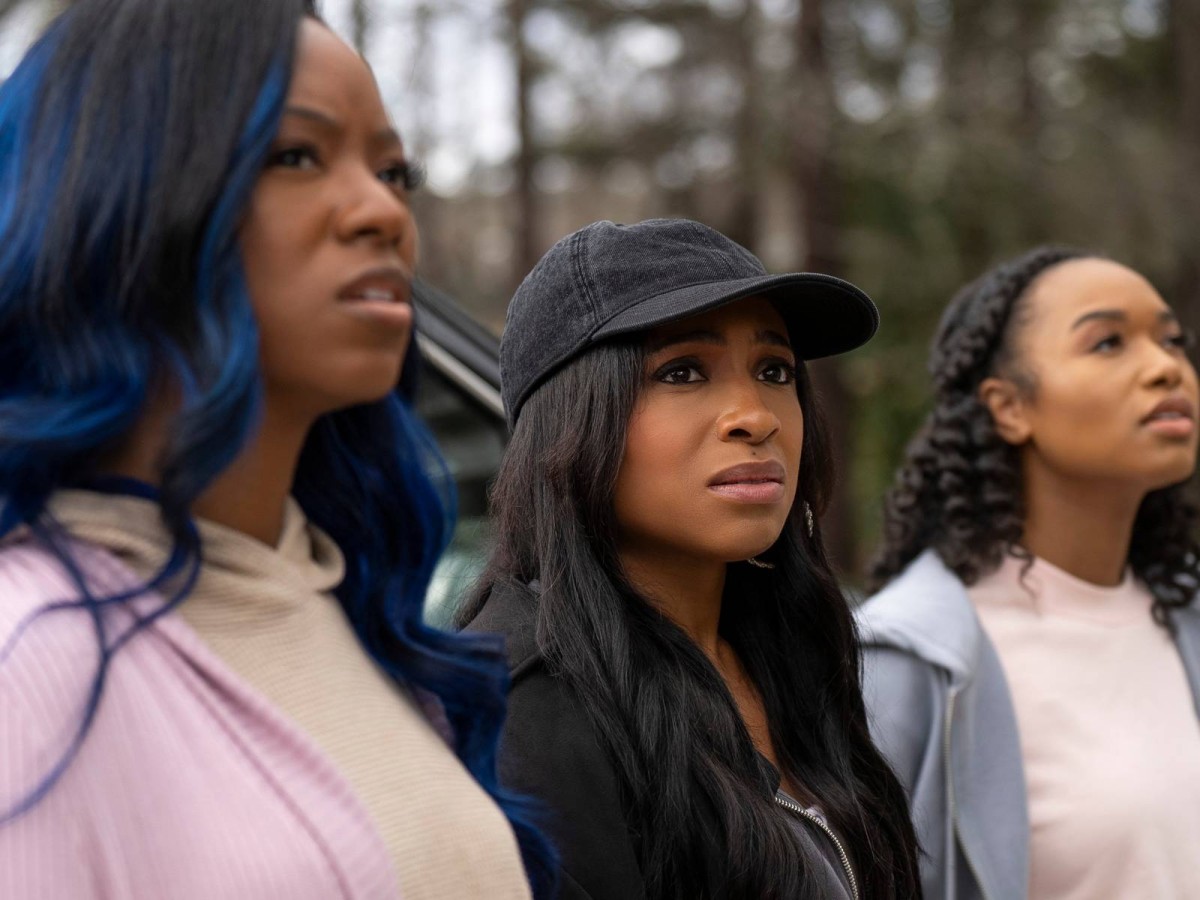
What follows is a moment that feels like watching someone pushed against their breaking point: Kimmie plows her car into Body in a motel parking lot, pinning her and refusing to let go until she gets answers.
“You touch my family, you touch me,” Kimmie shouts.
The move is reckless, terrifying, violent but it is utterly human. It’s the same frantic energy you see in real life when someone’s back is against the wall and their moral compass is reset by the raw need to protect what they love.
It asks the question: when does desperation stop being reckless and start being rational?
Believe it or not, the dynamics in Beauty in Black aren’t at all fictional.
In the entertainment industry, when a major pop star faced serious allegations of misconduct, executives publicly defended the artist while privately revoking access and future opportunities.
This contradiction( public defense paired with private distancing) shows that reputation and access move independently, and influence is often preserved by those who manage both well.
“Fame is a currency. Don’t confuse public love with private leverage,” a Hollywood executive told Variety in 2025.
This example matters because it confirms what the series dramatizes: authority is not exercised evenly or predictably. Influence is preserved by those who understand the rules of consequence better than those who rely on goodwill.
Privilege, Access, and Uneven Consequences
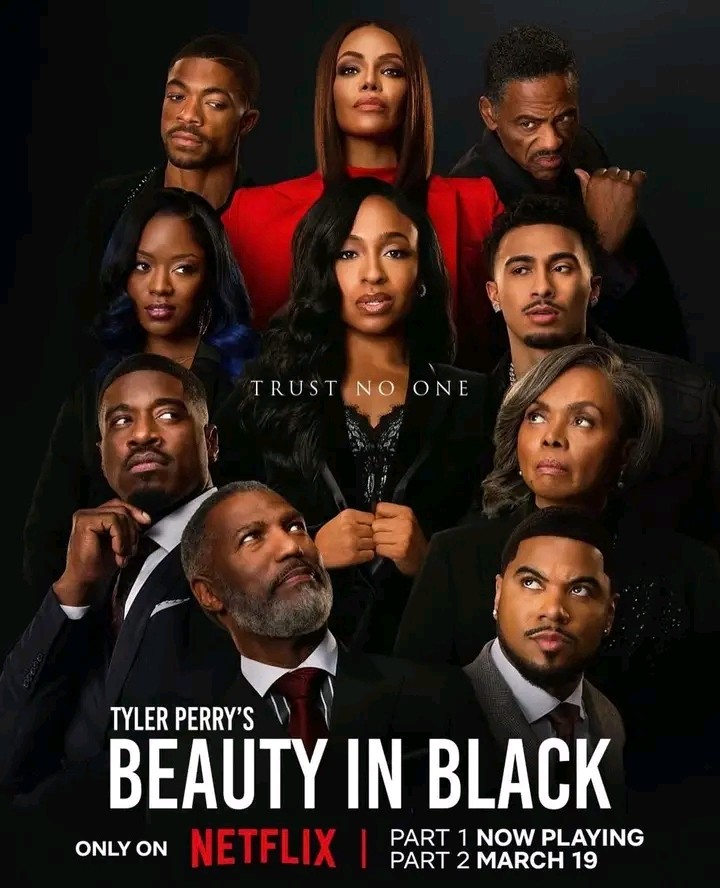
Parallel to Kimmie’s descent into chaos is Mallory Bellaire, who runs the highly successful Beauty in Black brand, a hair‑care empire backed by family wealth and influence.
She occupies boardrooms where deals are made, lawsuits are managed, reputations are defended, and mistakes barely register as setbacks.
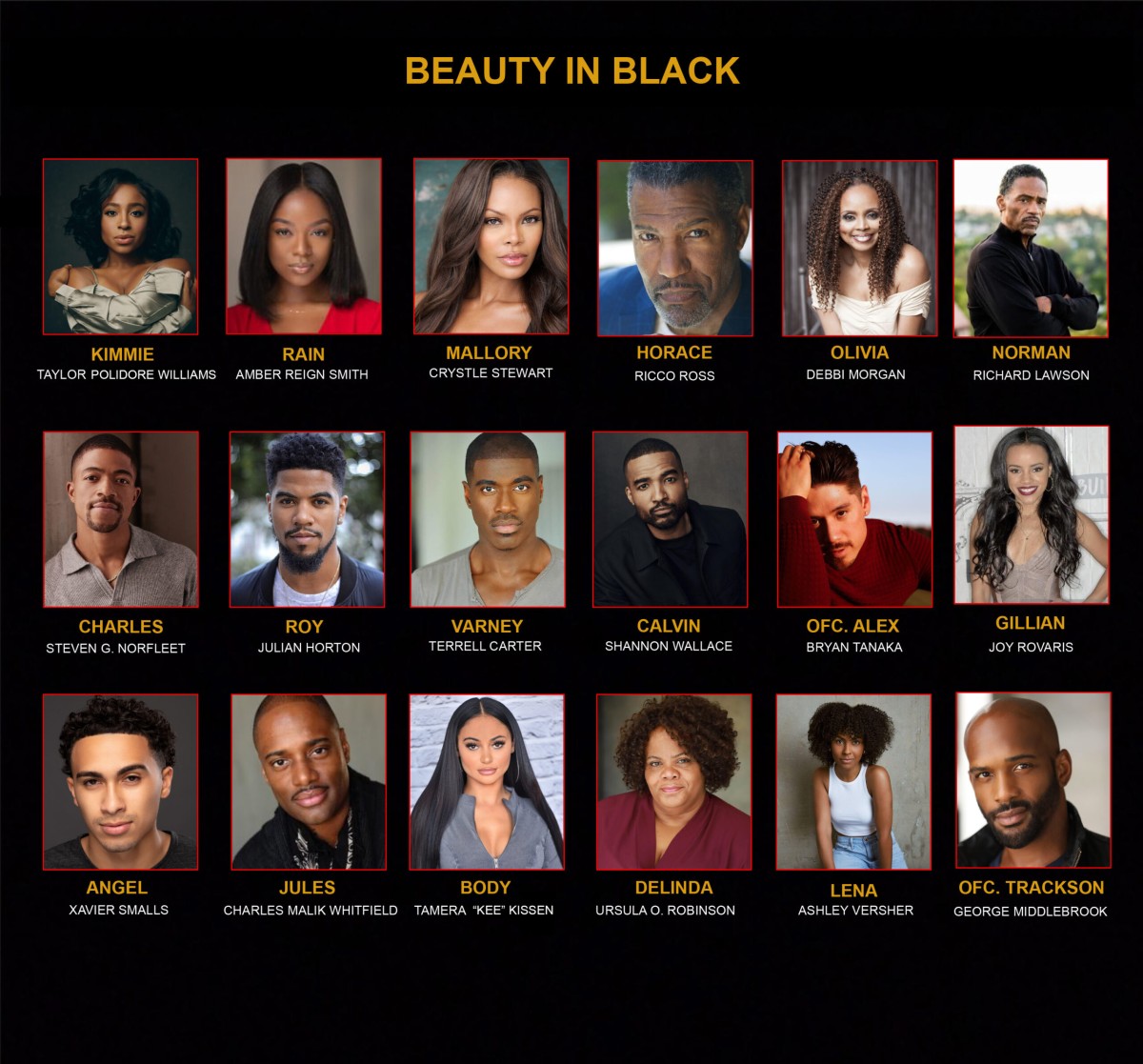
“Control is knowing what people don’t see,” Mallory tells her assistant in episode four, eyes sharp over a ledger.
There’s a parallel here that most of us live with but rarely confront: privilege changes the scale of consequence, but not the scale of decision.
CEOs whose companies tank keep their bonuses. Celebrities who make mistakes survive scandals if their brand and influence are protected. Wealth buffers loss.
Access shields reputation. The logic that shields Mallory in her world is the same logic that shields powerful people in ours.
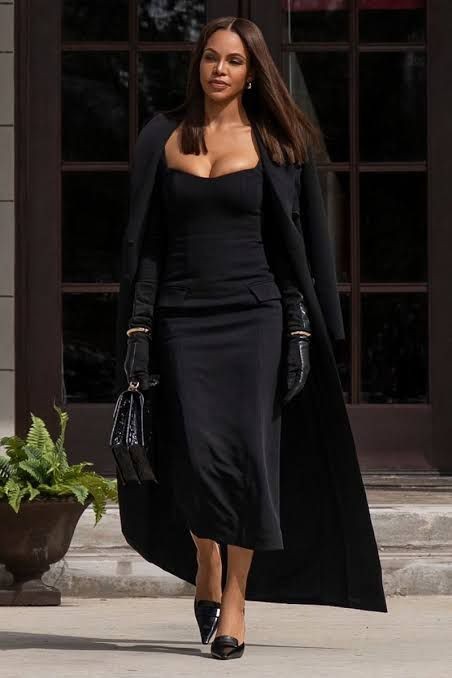
The moment the Bellaire family realizes Kimmie is about to marry Horace Bellaire and take control of the company is a fascinating collision of worlds.
Wow, the underdog’s chaos meeting the legacy world’s rules. It mirrors institutions on the planet, when someone without pedigree claims power, the rules suddenly change.
The brilliance of Beauty in Black, whether or not the writing always lands, is in how it distills real human pressures through its characters:
- Kimmie, fighting for dignity in a world that sees her as disposable.
- Rain, trying to buy a better life through the only means offered to her.
- Sylvie, a young sister thrown into danger because the world has no safety net.
- Mallory, protective of legacy and wealth, even when it means sacrificing empathy.
- Jules, whose authority comes from violence as often as reputation.
“We all got something we protecting,” Jules mutters, loading his gun.
These are recognizable pressures layered onto recognizable lives. Anyone who has ever felt overlooked, underestimated, or boxed in by circumstance will see pieces of themselves in this tapestry of choice and consequence.
Where the Series Hits Us in the Gut
This show’s value speaks of how dramatic it is and by extension, how familiar it feels once you step past the surface chaos.
We’ve all known moments like these:
- Standing in a job interview and feeling panic because your story isn’t “enough.”
- Choosing to risk something important, could be a job, a relationship, a reputation, all because the alternative feels worse.
- Watching people with power navigate consequences differently than you do.
- Protecting family even when logic says don’t.
“Life’s a game of who sees the rules first,” Rain says while counting hospital bills.

Kimmie’s stories is a mirror of how survival choices are made every day. In that sense, the series stops being just entertainment and becomes a spotlight on the psychology of consequence, access, and pressure.
The Hard Truth at the End
We like to believe that morality distinguishes winners from losers. We tell ourselves that hard work beats all odds. Beauty in Black challenges that loudly and persistently.
What it really shows:
- People don’t fail because they lack talent.
- People fail because opportunity does not align with risk.
- People succeed not because they are pure, but because they learn how to navigate systems that are indifferent to pain.
When Rain says, “Why you ain’t come see me yet?” and Kimmie replies, “I thought you were dead,” Their conversation confirms the acknowledgment of how fragile life and relationships can be when the stakes are real.
“Every choice has a shadow,” Kimmie whispers, looking over the city from the Bellaire rooftop.
That is a thought worth sitting with. Of course, the show is not perfect, far from it even but because it reflects a truth we all know deep down but rarely articulate: every major choice carries consequence, and every consequence reshapes who we become.