- In New Jersey, a man was found unresponsive in the snow
- Utilities are slowly restoring power, but Tennessee, Texas, Mississippi, and Louisiana remain heavily affected
- Nashville authorities reported fallen ice-laden trees continuing to knock out electricity in restored areas
A powerful winter storm has slammed the United States, leaving over 500,000 homes and businesses without electricity and claiming at least 30 lives.
Eko Hot Blog gathered that freezing temperatures, heavy snow, sleet, and strong winds disrupted daily life from New Mexico to Maine, with emergency services racing to restore power and clear roads.
EDITOR’S PICK
- ADC Requests INEC Postpone FCT Area Council Elections
- Tope Alabi Welcomes Grandchild
- CBN to Introduce New Policy to Regulate Debit Card Issuance, ATM Operations
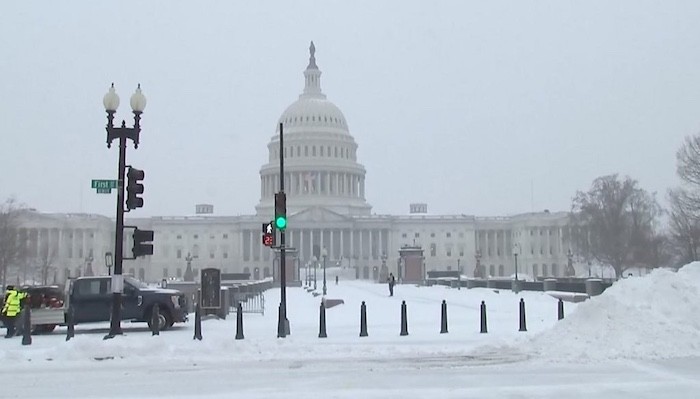
Record-low temperatures swept across southern states unaccustomed to such cold, while the Northeast recorded historic snowfall, Connecticut saw more than 22 inches (56 cm), and Boston over 16 inches (40.6 cm).
The storm has caused multiple fatalities, including traffic accidents, sledding incidents, hypothermia, and a small plane crash in Bangor, Maine, that killed seven people.
In New Jersey, a man was found unresponsive in the snow, while New York City reported eight deaths amid the extreme cold.
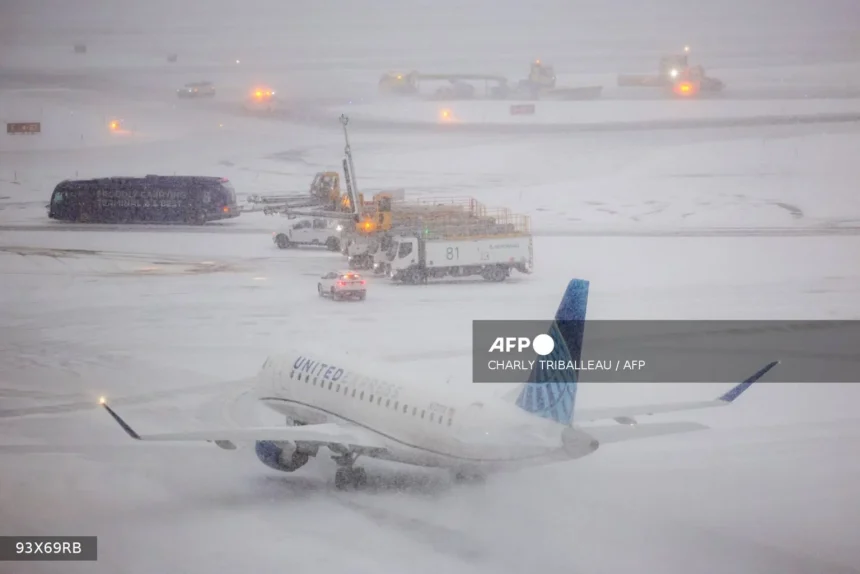
Utilities are slowly restoring power, but Tennessee, Texas, Mississippi, and Louisiana remain heavily affected. Thousands of flights, over 9,000, were canceled or delayed, leaving travelers across the nation stranded.
Nashville authorities reported that fallen, ice-laden trees continued to knock out electricity in restored areas. Emergency warming shelters have been opened across the hardest-hit regions to support residents during the frigid conditions.
Meteorologists warned that a stretched polar vortex, a mass of Arctic air extending southward, is driving the extreme weather. Scientists suggest climate change may be contributing to the increasing frequency and intensity of such storms, though natural variations also play a role.
Dave Radell, a meteorologist in New York, said the “dry and fluffy” snow, combined with strong winds, has made road clearing difficult, complicating recovery efforts and keeping communities in danger.
FURTHER READING