- He noted that the decision was taken independently, without prior consultation with other member states
- The exit comes at a time of heightened instability in global energy supply
- UAE officials have recently voiced dissatisfaction with the level of political and military support from regional partners
United Arab Emirates has announced its decision to withdraw from OPEC, citing a strategic review of its energy policies amid rising tensions in the global oil market.
Eko Hot Blog reports that the move, confirmed on Tuesday by Energy Minister Suhail Mohamed al-Mazrouei, follows careful consideration of the country’s current and future production plans.
EDITOR’S PICK
- Lassa Fever Hits Oyo, Government Activates Emergency Response
- Bruno Fernandes Reveals Why He Rejected Huge Al Hilal Move
- FG Defends Borrowing Strategy
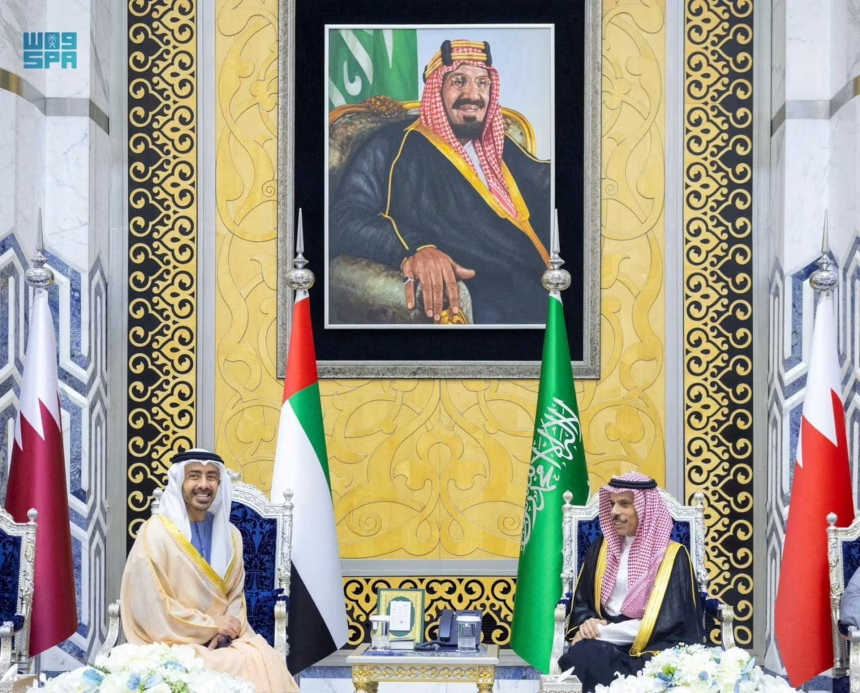
He noted that the decision was taken independently, without prior consultation with other member states, including key ally Saudi Arabia.
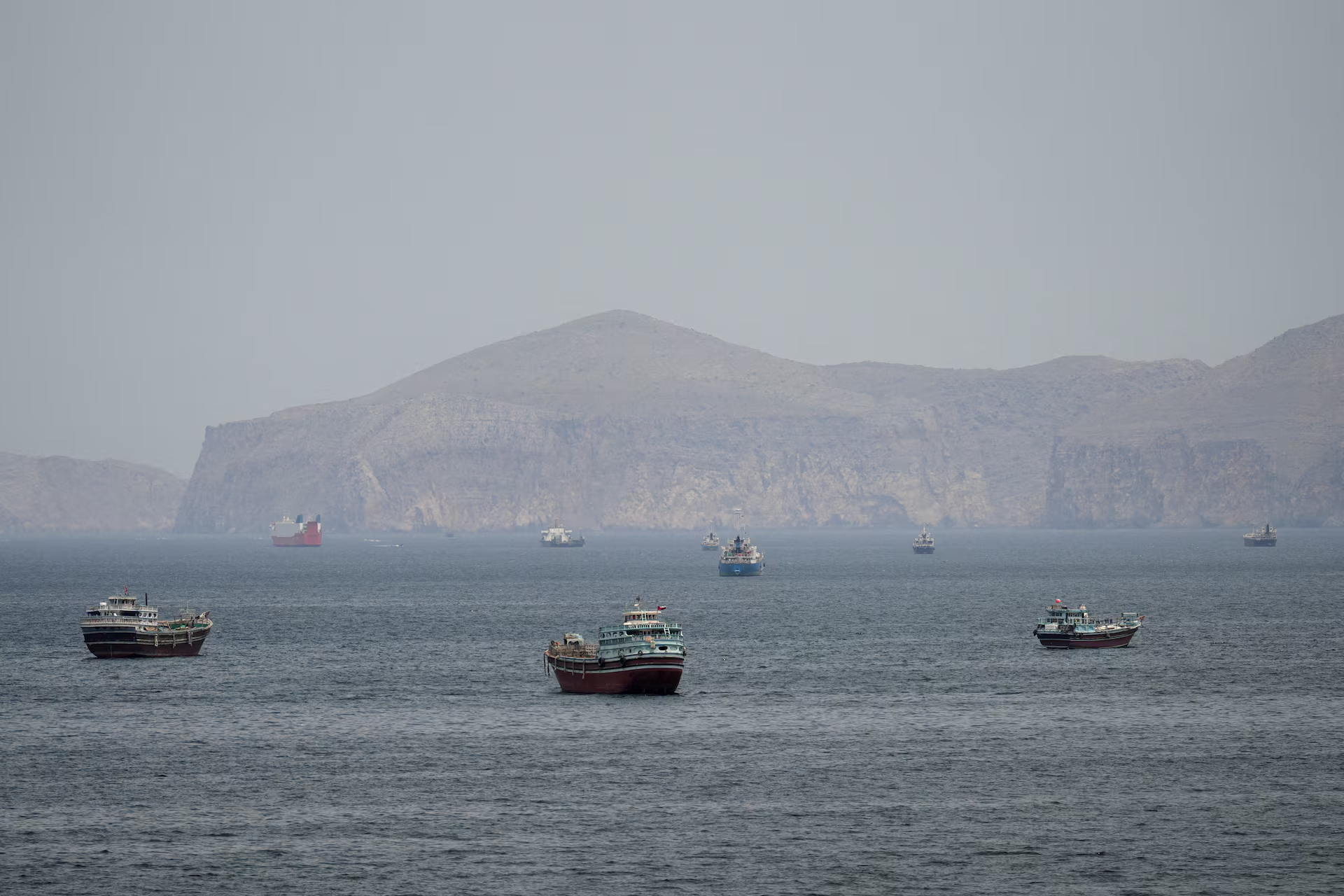
The exit comes at a time of heightened instability in global energy supply, largely driven by disruptions linked to the ongoing Iran conflict.
Oil shipments through the Strait of Hormuz, a critical passage for global crude exports, have been affected by security threats, adding pressure to an already strained market.
Despite concerns that the departure could weaken cohesion within OPEC, the UAE government downplayed any major market impact, pointing instead to existing supply challenges in the region.
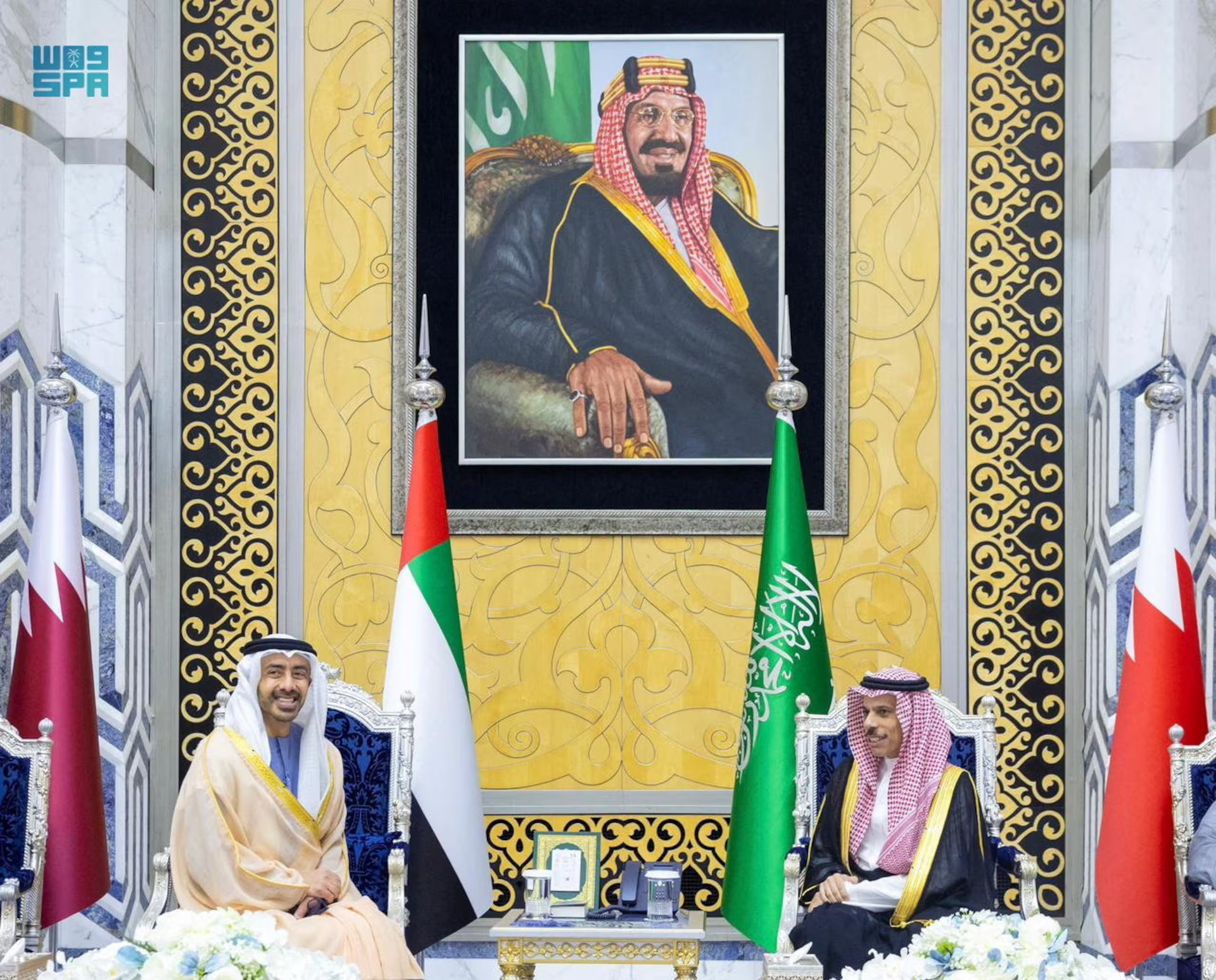
The decision is also seen as a diplomatic and economic signal, especially as tensions persist among Gulf nations over security cooperation during the crisis.
UAE officials have recently voiced dissatisfaction with the level of political and military support from regional partners.
Observers say the move could benefit Donald Trump, who has previously criticised OPEC’s influence on global oil prices and called for lower energy costs.
By stepping away from OPEC and its extended alliance, OPEC+, the UAE is expected to gain greater flexibility in managing its oil output and positioning itself to meet growing global energy demand.
Officials argue that operating independently will allow the country to maximise its production capacity while contributing to a more stable and responsive oil supply worldwide.
The development comes as global spare capacity remains limited, increasing the significance of any shift in production strategy among major oil-producing nations.
FURTHER READING