- Lagos to Launch Industrial Policy to Drive Manufacturing Growth
- Ambrose-Medebem said the document outlines practical steps to drive economic diversification
- Announced that a ₦10 billion joint MSME financing initiative between the Lagos government and the Bank of Industry
The Lagos State Government is set to unveil its Industrial Policy for 2025–2030, a strategic framework aimed at transforming the state into a leading industrial and manufacturing hub in Africa.
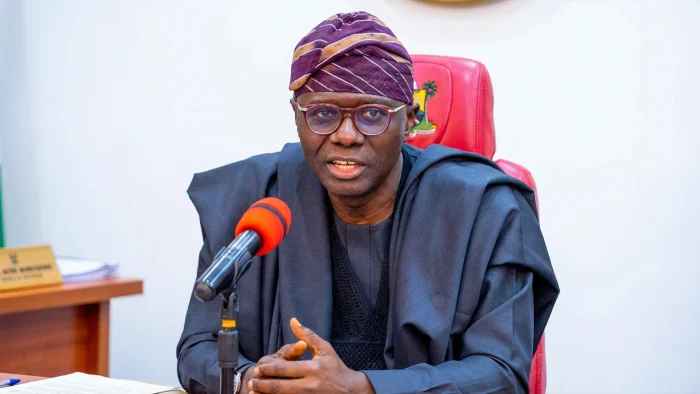
Eko Hot Blog reports that the Commissioner for Commerce, Cooperatives, Trade and Investment, Folashade Ambrose-Medebem, disclosed this during a press briefing in Ikeja, noting that the official launch will take place on April 30 at the Lagos Continental Hotel.
EDITOR’S PICK
- Lagos Urged to Adopt Non Kinetic Strategies to Tackle Insecurity
- Tinubu Unveils N10bn Housing Loan Scheme for Civil Servants
- NRC to Boost Efficiency Through Continuous Staff Training – Opeifa
She explained that the policy was developed through extensive stakeholder engagement, supported by data-driven insights and aligned with global standards for sustainable industrial growth.
Describing it as the most comprehensive industrial roadmap by the state, Ambrose-Medebem said the document outlines practical steps to drive economic diversification, reduce reliance on imports, and boost local value creation across key sectors.
The initiative, she said, is anchored on the development vision of Governor Babajide Sanwo-Olu and aligns with his THEMES Plus agenda, which prioritises structured planning, efficient execution, and strong collaboration between the public and private sectors.
She added that the government is placing strong emphasis on continuity and institutional coordination to ensure the policy’s long-term impact beyond political transitions.
Highlighting Lagos’ economic strengths, the commissioner noted that the state remains a major driver of Nigeria’s economy, supported by its large population, coastal access, and vibrant entrepreneurial ecosystem.
The policy identifies priority sectors including agro-processing, manufacturing, the creative industry, healthcare, the blue economy, and digital trade—areas considered critical for job creation, export growth, and inclusive development.
Ambrose-Medebem said the framework also addresses longstanding challenges affecting industrial growth, such as infrastructure gaps, regulatory bottlenecks, and supply chain inefficiencies, with clear timelines for resolution.
Sustainability is also a key component of the policy, with a focus on environmentally responsible industrialisation.
In addition, she announced that a ₦10 billion joint MSME financing initiative between the Lagos government and the Bank of Industry is already underway, with disbursements expected soon.
The commissioner further revealed that the Invest in Lagos Summit 3.0 has been scheduled for June 8 and June 9, as part of ongoing efforts to attract investment and strengthen the state’s economic outlook.