- Urbanisation Not a Threat to Indigenous Identity – Sanwo-Olu
- Highlights Infrastructure Gains
- The governor noted that Lagos, now with a population exceeding 20 million, remains one of Africa’s fastest-growing urban economies
Governor Babajide Olusola Sanwo-Olu has said that managing urbanisation effectively is critical to unlocking economic growth, improving connectivity, and empowering indigenous communities in Lagos.
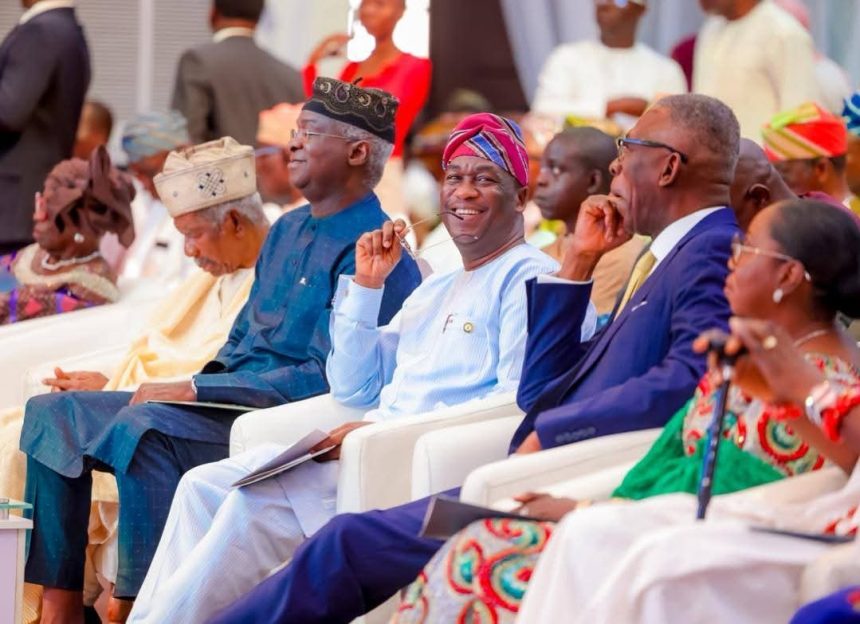
Eko Hot Blog reports that the governor made this known on Wednesday at the General Assembly of Indigenous Associations in Lagos State, organised by the IBILE Eko Summit Foundation at the Shell Hall of the MUSON Centre.
EDITOR’S PICK
- Viral Video Sparks Action as Lagos Rescues Neglected Child
- Big Head, Bigger Pressure: Inside Amupitan’s INEC Assignment
- NIMR Crisis: FG Tenure Policy Behind Directors’ Exit, Ongoing Strike
Represented by Deputy Governor Kadri Obafemi Hamzat, Sanwo-Olu stressed that urbanisation should not erase indigenous identity but must be guided by policies that include the people in planning and decision-making.
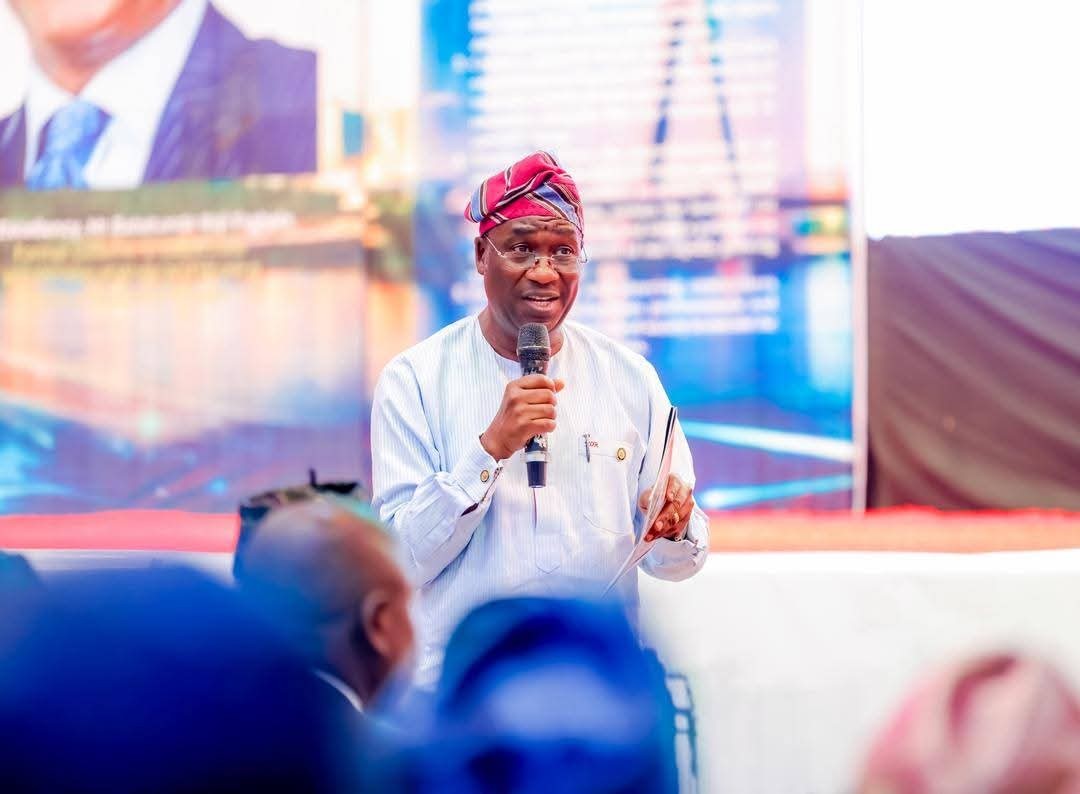
According to him, indigenous communities must remain at the centre of Lagos’ development, with their voices reflected in infrastructure projects, policies, and urban planning.
He acknowledged that while rapid urbanisation has created economic opportunities and growth, it has also placed significant pressure on infrastructure across the state. He, however, noted that the government is investing heavily in facilities and services to improve living standards.
Sanwo-Olu said his administration has, over the past seven years, focused on inclusive development across the five IBILE divisions through investments in transportation, healthcare, housing, and economic projects.
He cited key projects such as the Opebi-Mende Link Bridge, the Lagos Red Line Rail, the Badagry road network, the Imota Rice Mill in Ikorodu, the reconstruction of Massey Children’s Hospital, and the J.K. Randle Centre, among others.
The governor noted that Lagos, now with a population exceeding 20 million, remains one of Africa’s fastest-growing urban economies, contributing significantly to Nigeria’s GDP. However, he warned that unmanaged growth could worsen inequality, particularly in indigenous and waterfront communities.
In his keynote address, former Minister of Works and Housing, Babatunde Raji Fashola, called for urgent reforms in housing, transportation, and governance to better manage the state’s rapid urban expansion.
Fashola emphasised the need for reliable data in planning and urged the government to strengthen initiatives like the Lagos State Residents Registration Agency to improve service delivery. He also advocated for more investment in mass transit and housing development along rail corridors.
Earlier, President of the IBILE Eko Summit Foundation, Olasupo Shasore, said the forum was aimed at promoting unity among indigenous groups and ensuring their inclusion in Lagos’ development process.
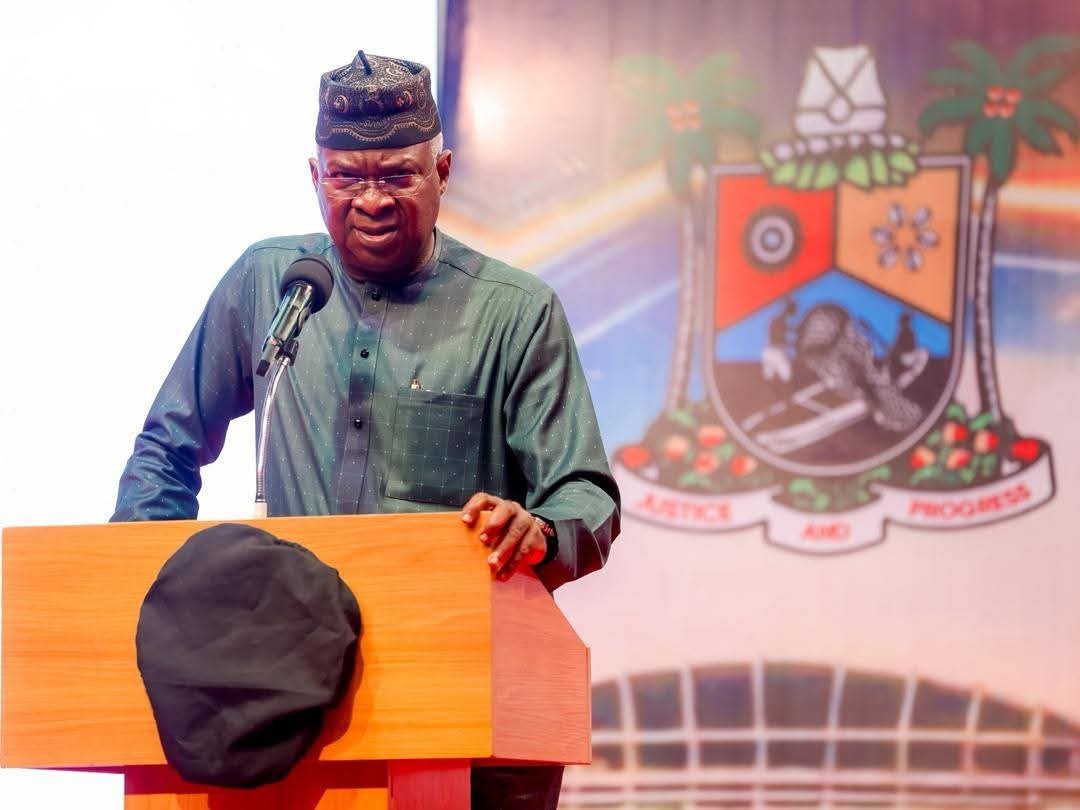
He stressed the importance of preserving cultural identity while aligning development with global standards such as the Sustainable Development Goals.
In his goodwill message, the Oba of Lagos, Rilwan Akinolu, represented by Prince Ayodele Oyekan, commended the initiative and reaffirmed the commitment of traditional rulers to ensuring that indigenous communities have a voice in governance.
FURTHER READING
- Nigeria’s Freight System Needs Rail–Port Synergy – Opeifa
- Lagos Sounds Health Alarm as Lassa Fever Deaths Hit 167
- Detector Dog Nabs Nigerian with Undeclared Kilishi at Airport
Click here to watch video of the week