- The US and Saudi Arabia signed an agreement on civilian nuclear cooperation
- The deal will allow American firms to expand nuclear technology exports
- Lawmakers raised concerns over possible regional nuclear competition
The United States and Saudi Arabia have reached an agreement to establish a framework for cooperation on the development of a civilian nuclear programme in the kingdom.
The US Department of Energy said the deal would create a long-term partnership between both countries, allowing American companies to participate in Saudi Arabia’s nuclear energy projects and expand the export of US nuclear technology, Eko Hot Blog gathered.
EDITOR’S PICK
- 175th Kayokayo Festival Grand Finale: Epe Celebrates 175 Years of Faith, Heritage, Unity and Prosperity
- Wale Raji Reaffirms Commitment at KayoKayo Finale
- India: Massive Garbage Heap Collapse Kills Nine Workers at Waste-to-Energy Plant.
US Energy Secretary Chris Wright and Saudi Energy Minister Prince Abdulaziz bin Salman also signed a separate agreement focused on nuclear safeguards and safety measures.
Wright said the partnership would maintain strict standards on nuclear security and non-proliferation while making use of American expertise and technology.
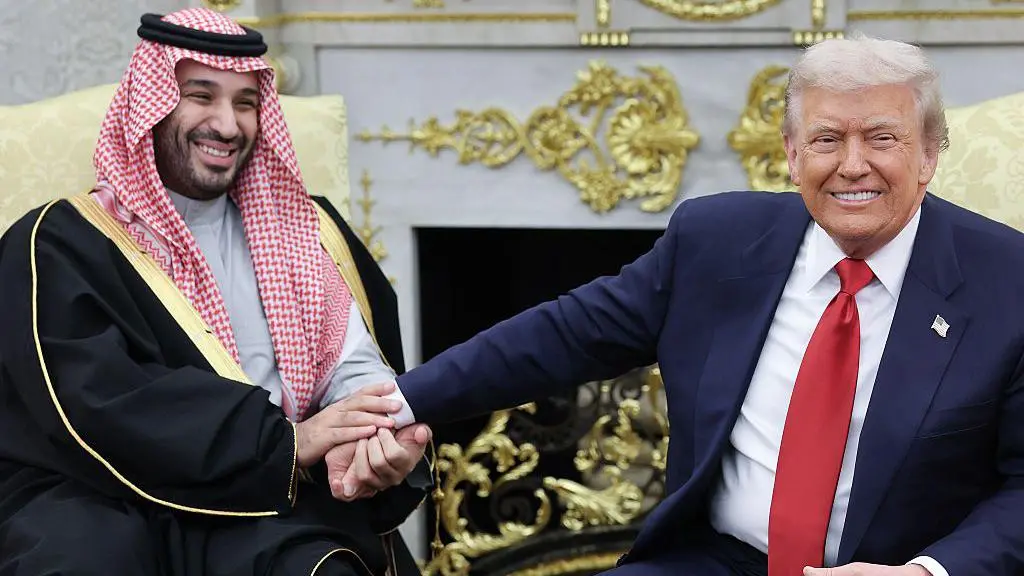
The agreement will now be presented to the US Congress for review, as required under the Atomic Energy Act for international cooperation on civilian nuclear energy projects.
However, some Democratic lawmakers have raised concerns over the possible impact of the agreement on regional security, especially amid ongoing tensions involving Iran’s nuclear ambitions.
Senator Chris Murphy of Connecticut warned that the deal could encourage a nuclear competition in the Middle East and make diplomatic efforts to limit Iran’s nuclear programme more difficult.
Meanwhile, US nuclear companies have welcomed the agreement, with Westinghouse Chief Executive Officer Dan Sumner describing it as a major development that could improve energy security and create new opportunities for American firms.
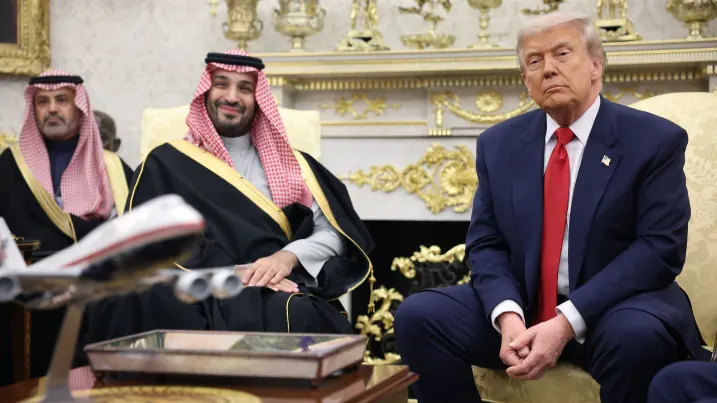
Industry experts said the deal could allow companies such as Westinghouse, Bechtel, BWXT and Centrus to supply nuclear equipment and technology to Saudi Arabia, preventing the kingdom from turning to suppliers from countries such as China, Russia or France.
Saudi Arabia currently relies heavily on fossil fuels for electricity generation, with natural gas and oil accounting for nearly all of its domestic power supply. The country remains one of the world’s largest oil producers through the Organisation of the Petroleum Exporting Countries (OPEC).
FURTHER READING