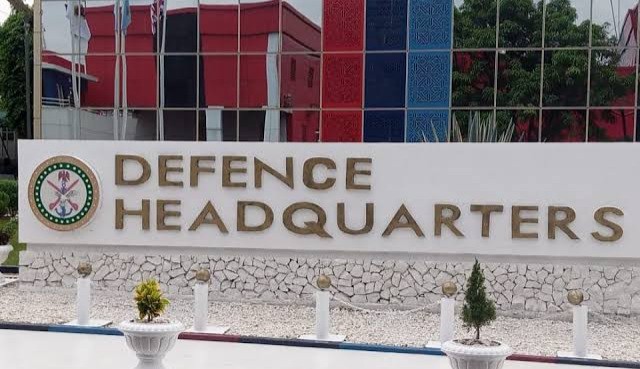
In early October 2025, when 16 military officers were arrested and Nigeria’s Independence Day parade was abruptly cancelled, the Defence Headquarters (DHQ) categorically denied that there was a coup plot.
The arrests, officials insisted, were simply about indiscipline and regulatory breaches. Three months later, that story has changed. On Monday, the DHQ confirmed what it previously denied — investigations uncovered officers plotting to overthrow President Bola Tinubu’s government.
EDITOR’S PICKS
The reversal raises an unavoidable question: why maintain the denial for so long? EKO HOT BLOG explores how the answer may lie in a calculation familiar to security establishments worldwide — the fear of creating panic before facts are established.
The Weight of Premature Disclosure
Nigeria’s recent history makes it particularly vulnerable to security-related anxiety.
Across West Africa, coups have toppled governments in Mali, Burkina Faso, Niger, and Guinea-Bissau since 2020. Against this backdrop, announcing an active coup investigation without complete evidence could have triggered widespread alarm, potentially destabilising markets or emboldening other conspirators.
Military investigations, particularly those involving potential treason, require meticulous fact-gathering. The difference between officers engaging in idle complaint and those actively plotting overthrow is significant, both legally and practically. Rushing to confirm a coup plot before establishing its full scope risks either understating a genuine threat or overstating what might amount to professional misconduct.
The DHQ’s statement emphasised that its investigation followed “established military procedures” and was “comprehensive,” suggesting that the military wanted certainty before making official pronouncements. From this perspective, denying the reports whilst investigations continued might be seen as an attempt to prevent premature panic.
The Price of Public Trust
Yet this argument has a fundamental flaw: the plot had already leaked. Media reports about the alleged coup attempt and arrested officers were circulating before the DHQ’s denial.
If preventing panic was the goal, that moment had passed. The denial didn’t stop Nigerians from hearing about the plot, it simply meant they heard it from journalists rather than officials, whilst being simultaneously told by their government that nothing was happening.
This situation presented citizens with conflicting narratives. Some chose to believe the media reports, others trusted official statements.
When the government later confirmed what it had previously denied, it created questions about which source had been more reliable — a dynamic that could affect public confidence in future official communications.
Finding the Middle Ground
Once reports had leaked, the DHQ faced several options. It could have acknowledged that officers were detained over serious matters touching national security, whilst noting that investigations were ongoing and details would be provided upon completion. This approach would have aligned official statements with publicly available information whilst preserving investigative flexibility.
As military courts prepare to hear evidence against the accused officers, the episode illustrates the challenges security institutions face when serious allegations become public before investigations conclude.
FURTHER READING
Whether the denial strategy served Nigeria’s interests better than alternatives remains a matter of debate, but the contrast between October’s categorical denial and this week’s confirmation will likely inform future discussions about how government communicates on national security matters.
Philip Ibitoye is a Special Correspondent with EKO HOT BLOG. Click here to find daily analysis and critical insight on trending issues in Lagos and other parts of Nigeria.
Click here to watch the video of the week below: