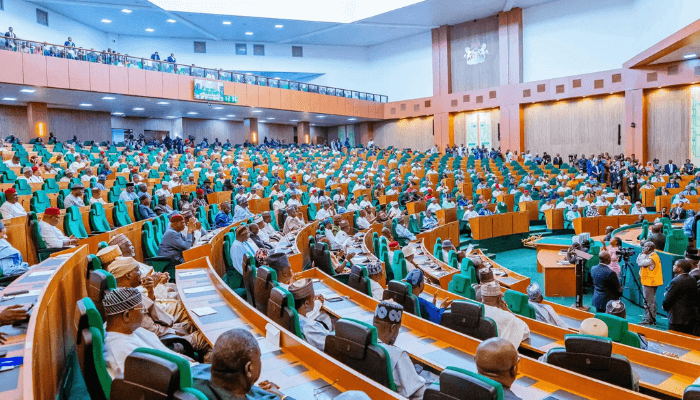
The House of Representatives’ resolution to investigate the utilisation of over $4.6 billion in health grants and assistance received by Nigeria from the Global Fund and the United States Agency for International Development (USAID) between 2021 and 2025 has rekindled a long-simmering debate about accountability in the nation’s health sector.
The motion, moved by Deputy House Spokesperson Philip Agbese (APC, Benue), on Tuesday, reflects growing public concern that despite billions of dollars in foreign health assistance, Nigeria continues to record dismal outcomes in the fight against HIV/AIDS, tuberculosis (TB), and malaria, three of the world’s deadliest yet preventable diseases.
EDITOR’S PICKS
Billions in Aid, Minimal Results
According to data cited by Agbese, Nigeria received $1.8 billion from the Global Fund between 2021 and 2025 to combat HIV, TB, and malaria, in addition to $2.8 billion from USAID between 2022 and 2024 for various health threats including HIV, malaria, polio, and TB. The country also benefited from more than $6 billion under the U.S. President’s Emergency Plan for AIDS Relief (PEPFAR) over the same period.
In total, that’s over $10 billion in external assistance targeting Nigeria’s public health system, yet the country remains one of the world’s hardest-hit by the very diseases these funds were meant to curb.
Despite the interventions, Nigeria ranks third globally in HIV-related deaths and has the highest number of HIV cases in West and Central Africa. In 2023 alone, about 15,000 children aged 0–14 died from AIDS-related causes, while 51,000 deaths were recorded nationwide.
For tuberculosis, Nigeria is first in Africa and sixth globally, accounting for 4.6% of the global TB burden, while in malaria, it remains the epicentre of global infections, contributing 26.6% of global cases and 31% of malaria deaths.
These statistics, the House noted, underscore a troubling disconnect between financial inflows and tangible health outcomes.
A Pattern of Weak Oversight
Nigeria’s health sector has long faced scrutiny for weak accountability frameworks, fund leakages, and delays in programme implementation, issues often raised in donor reports and civil society briefings.
The Global Fund and USAID both work through implementing partners, including government ministries, non-governmental organisations, and community-based agencies. The Federal Ministry of Health and Social Welfare is the primary interface for USAID programmes, while the Country Coordinating Mechanism (CCM) Nigeria oversees Global Fund projects.
However, as Agbese observed, legislative oversight of these donor grants has been neither coordinated nor robust. Despite the National Assembly’s constitutional powers under Sections 88 and 89 to summon officials and scrutinize expenditure, such oversight has often been reactive, not proactive.
The House’s latest move, therefore, is a long-overdue attempt to bridge that gap. Yet, as many observers would caution, the success of this initiative depends less on its announcement and more on its follow-through.
Why This Probe Must Not Go the Way of Others
Nigeria has a long record of high-profile investigations that start with bold declarations but end quietly; unfinished, inconclusive, or buried under political pressure.
From probes into fuel subsidies to audits of COVID-19 palliatives, committees have been constituted, reports written, and recommendations shelved without consequence. The public’s skepticism about the effectiveness of legislative investigations is therefore well-founded.
For this probe to be meaningful, it must go beyond rhetoric and committee sittings. It requires transparency, regular public updates, and firm follow-up actions, including holding agencies, officials, and implementers accountable where evidence of mismanagement is found.
It should also evaluate not just how the money was spent, but also what results were achieved, comparing financial inputs with measurable outcomes in infection rates, treatment coverage, and mortality reduction.
Moreover, the National Assembly should work closely with independent auditors, civil society groups, and donor agencies to ensure the investigation’s credibility. A public, evidence-based approach will lend legitimacy to the findings and help restore confidence in Nigeria’s ability to manage health aid responsibly.
FURTHER READING
In the meantime, the House Committee on HIV/AIDS, Tuberculosis and Malaria Control, now tasked with investigating the grants, has been given four weeks to report back for further legislative action.
Philip Ibitoye is a Special Correspondent with EKO HOT BLOG. Click here to find daily analysis and critical insight on trending issues in Lagos and other parts of Nigeria.
Click here to watch the video of the week below: