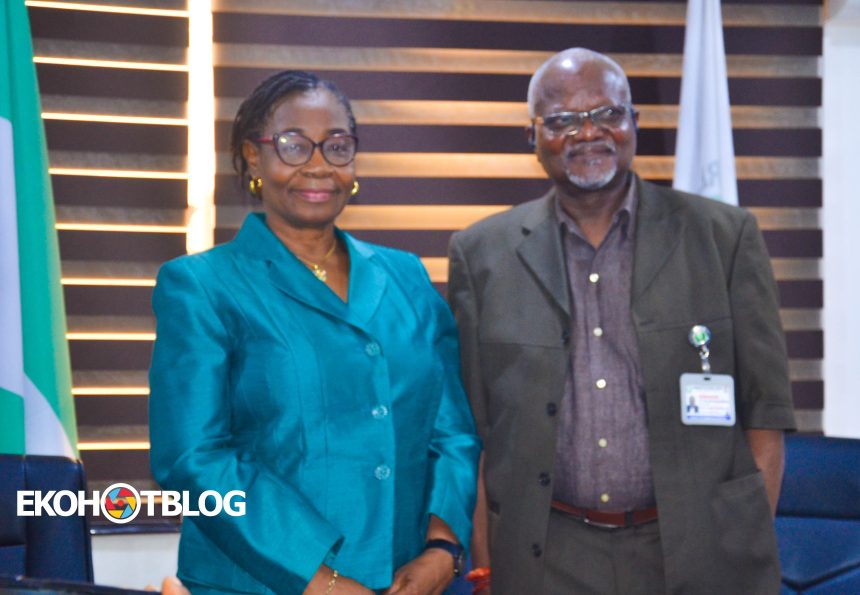
- The media chat brought together health experts and members of the media to discuss malaria control strategies and recent research findings
- Dr. Olukosi explained that malaria remains a major public health challenge in Nigeria
- She revealed that malaria surveillance is carried out across fourteen sites nationwide
The Nigerian Institute of Medical Research (NIMR), hosted its December edition of the NIMR Media Chat, on Tuesday, 16th of December, 2025, at the institute boardroom in Yaba, Lagos, with a focus on the Theme: “Molecular Epidemiology of Drug-Resistant Malaria Parasites: A Surveillance Tool for Malaria Control.
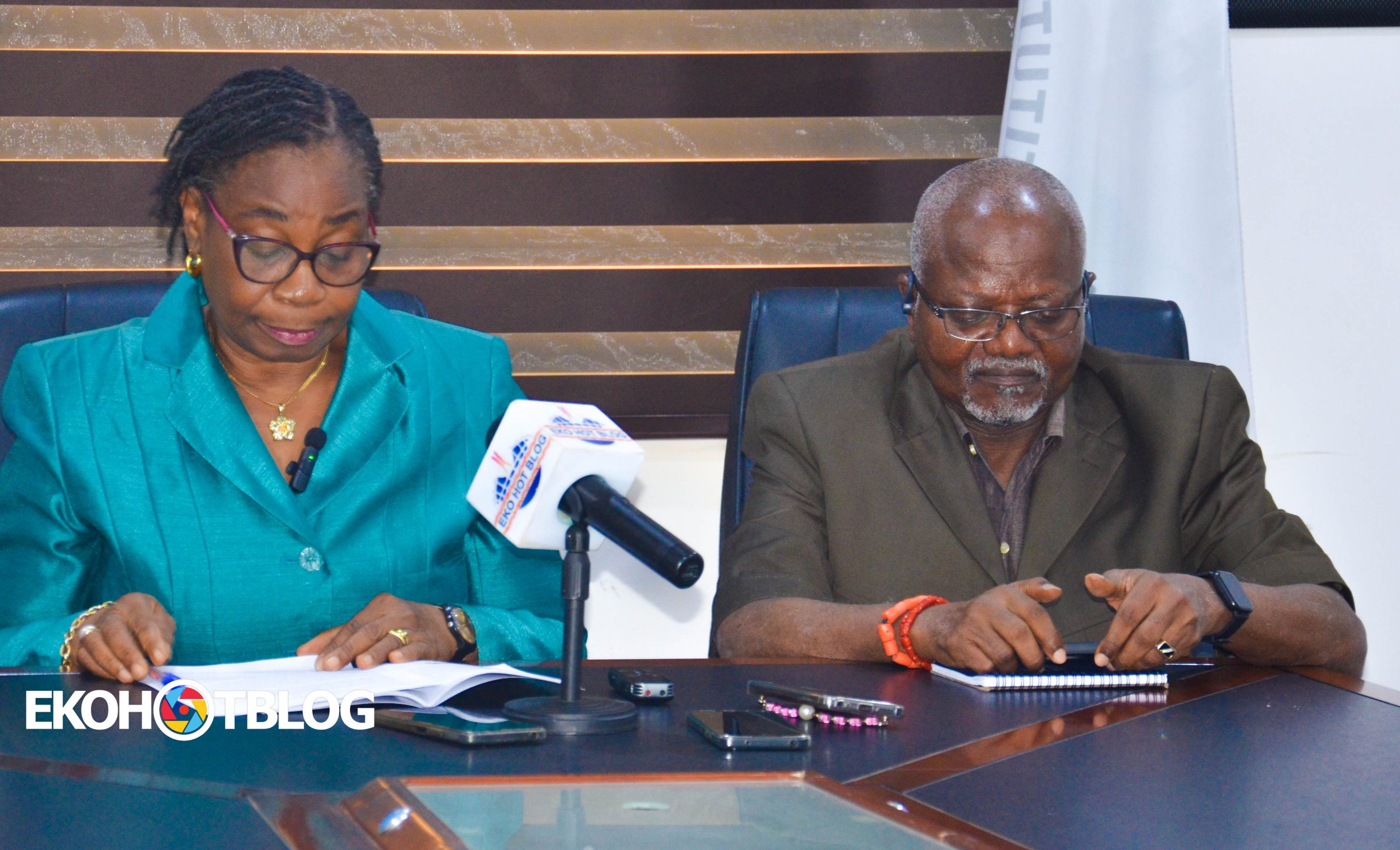
Eko Hot Blog reports that the media chat brought together health experts and members of the media to discuss malaria control strategies and recent research findings. The session opened with brief remarks from Mr. Sam Eferaro, NIMR’s Health Journalist. He thanked the members of the press for their continued support.
EDITOR’S PICK
- Ooni Honours Ghana’s Mahama in Ile-Ife
- Funke Akindele’s Film Hits ₦200m Opening
- Lekki LCDA Sets Inclusive Growth Agenda with ₦14.77bn 2026 Budget Proposal
The Director-General of NIMR, Professor John Oladapo Obafunwa, present at the event later introduced the guest speaker, Dr. Adeola Olukosi, Director of Research and Head of the institute’s Malaria Research Group, stating out a brief biography emphasizing on her impact as Director of research.
Dr. Olukosi explained that malaria remains a major public health challenge in Nigeria. She noted that the disease continues to claim many lives, especially among children under the age of five.
” NIMR plays a key role in monitoring antimalarial drugs across the country”‘ she said.
According to her, the institute conducts regular studies to determine which drugs still work and which no longer do.
Dr. Olukosi added that NIMR uses molecular surveillance to detect early signs of drug resistance. This approach helps experts act before treatment failure becomes widespread.
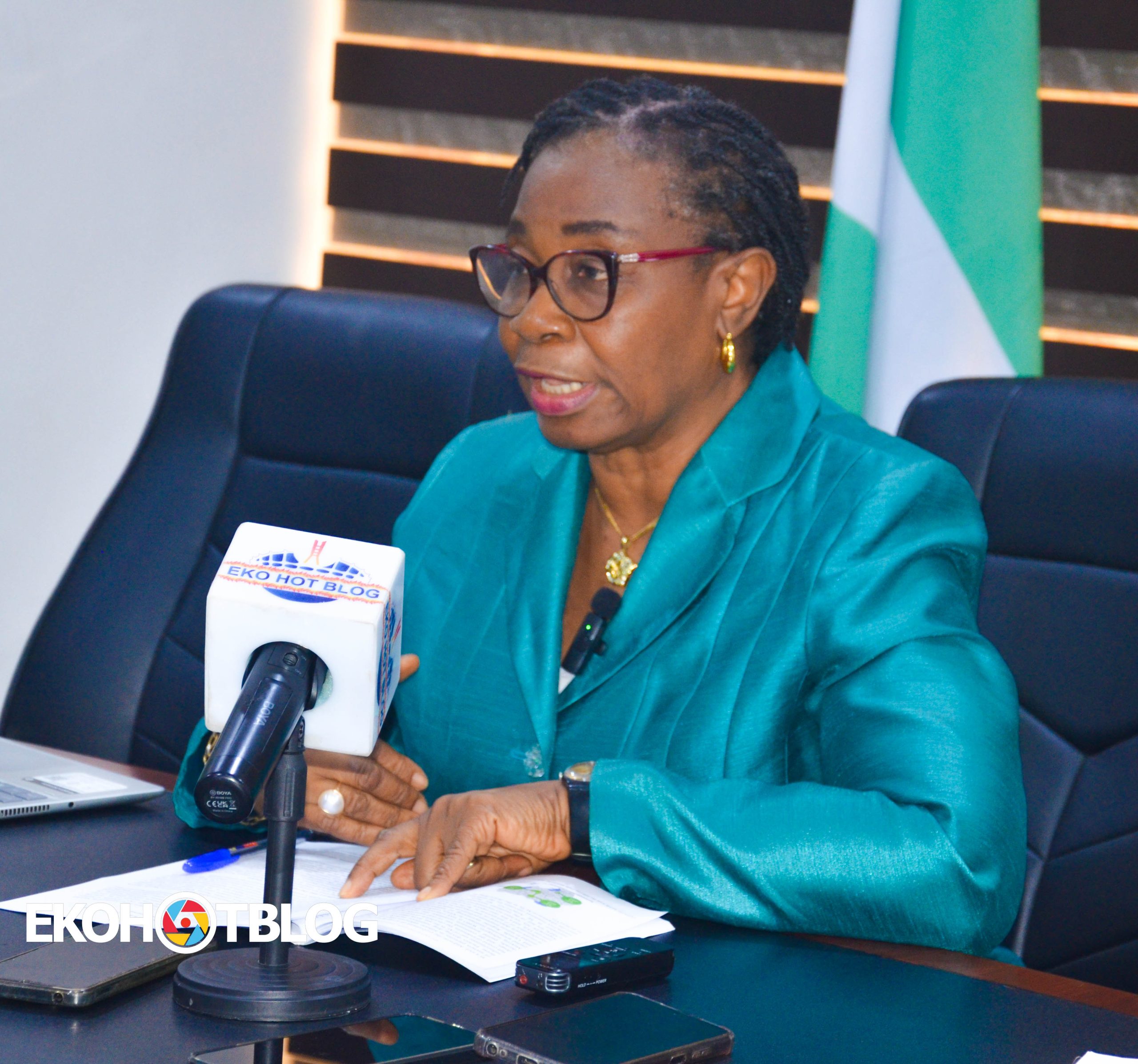
She revealed that malaria surveillance is carried out across fourteen sites nationwide stating that these studies provide evidence that guides national malaria treatment policies.
Highlighting progress on research findings, Dr. Olukosi said malaria prevalence in Lagos State has dropped to about two percent. She linked this improvement to research, better prevention tools, and effective vector control.
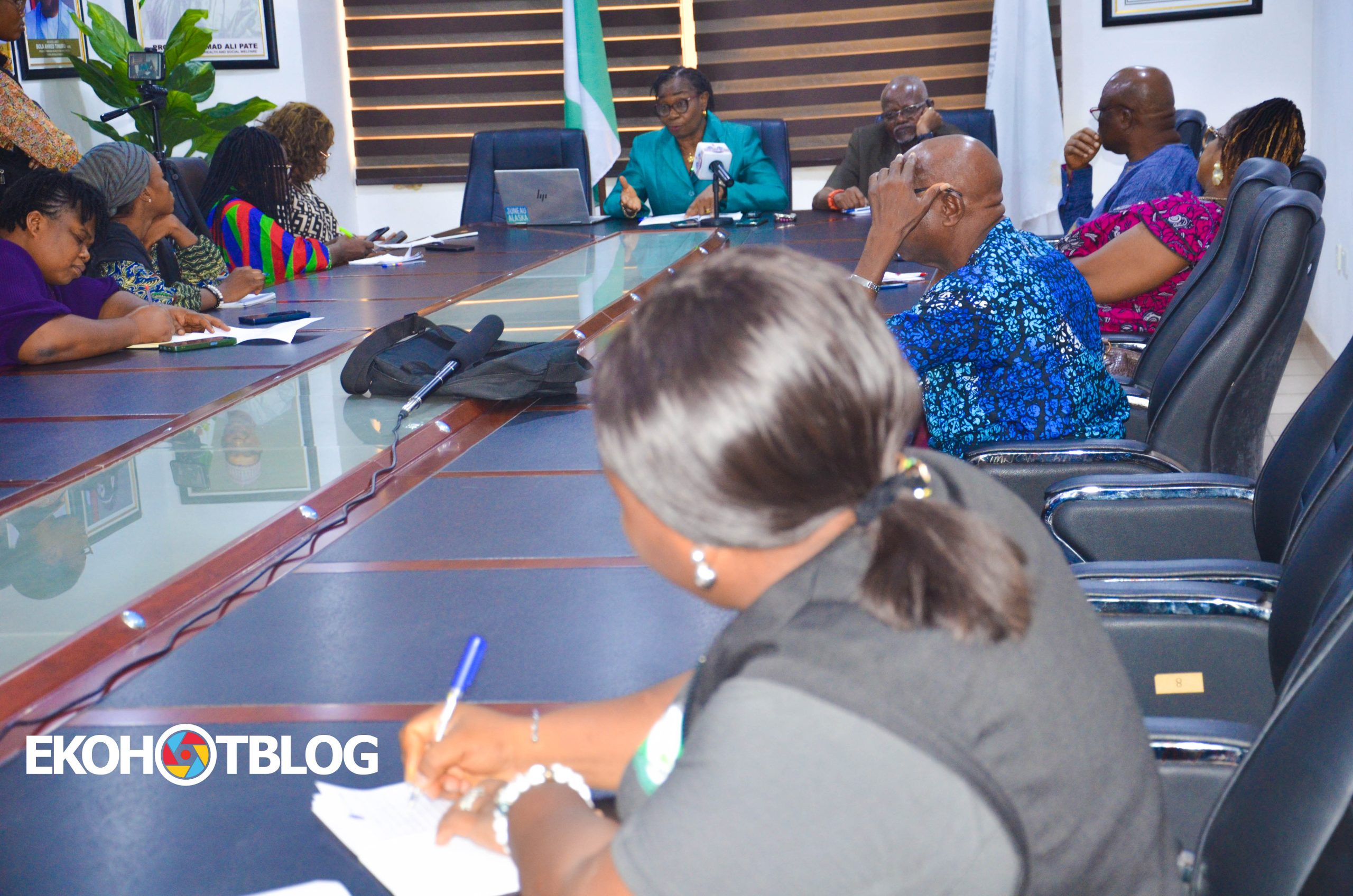
During the question-and-answer session, she spoke on the use of chloroquine, stressing that it is no longer as effective for malaria treatment. She also emphasized ethical research and community engagement. Also, responding to questions asked on the funding and sustainability, she noted that though the government is solely responsible for funding NIMR, grants play a vital role.
She affirmed that NIMR will ensure that research outcomes benefits local communities most affected by malaria.
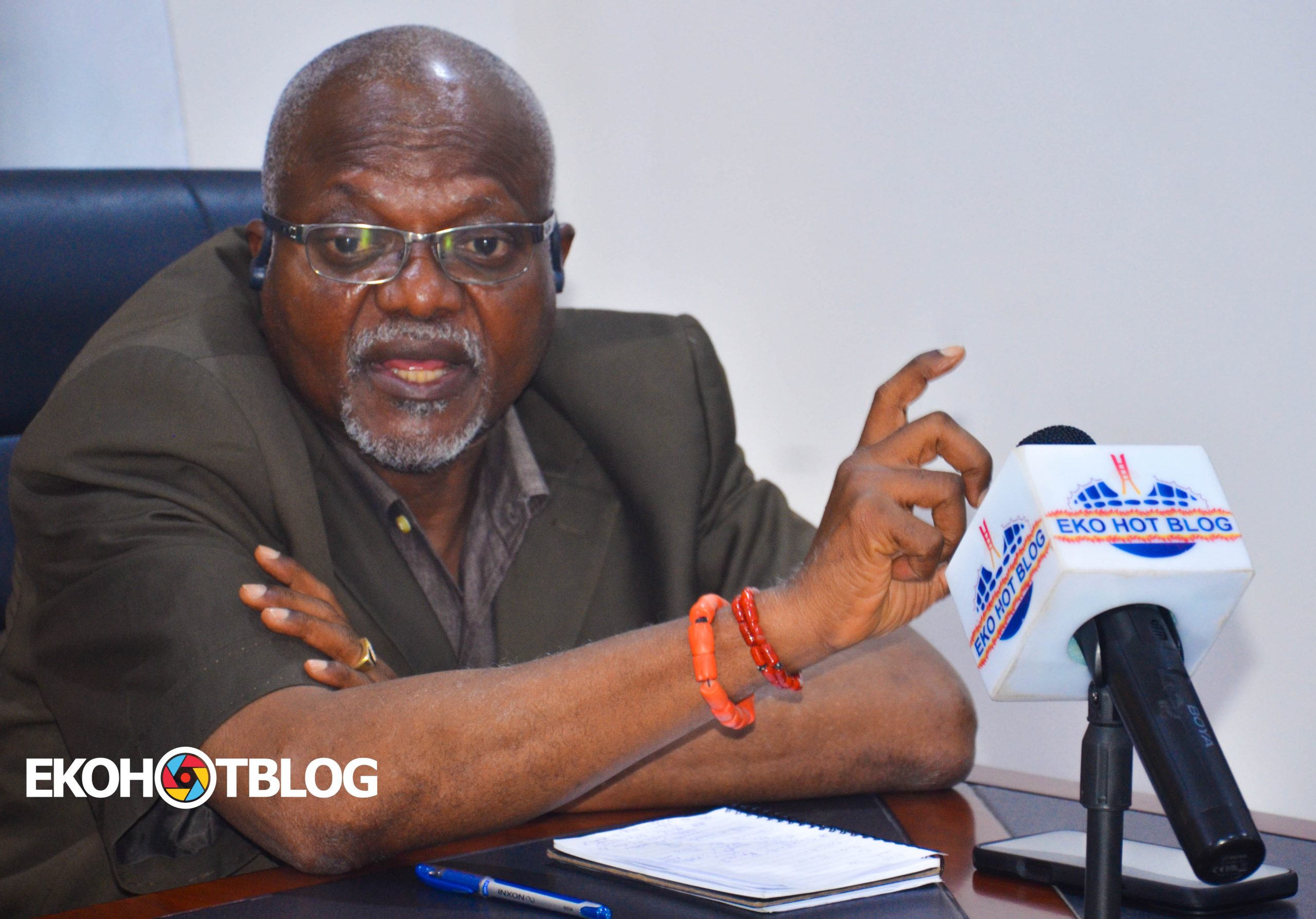
In closing remarks, the Director-General of NIMR urged Nigerians to avoid self-medication. He noted that not every fever is malaria and called for proper diagnosis.
“We may not totally eliminate malaria but we can control it” He added
The Media Chat ended with a call for shared responsibility among government, researchers, the media, and the public in the fight against malaria.