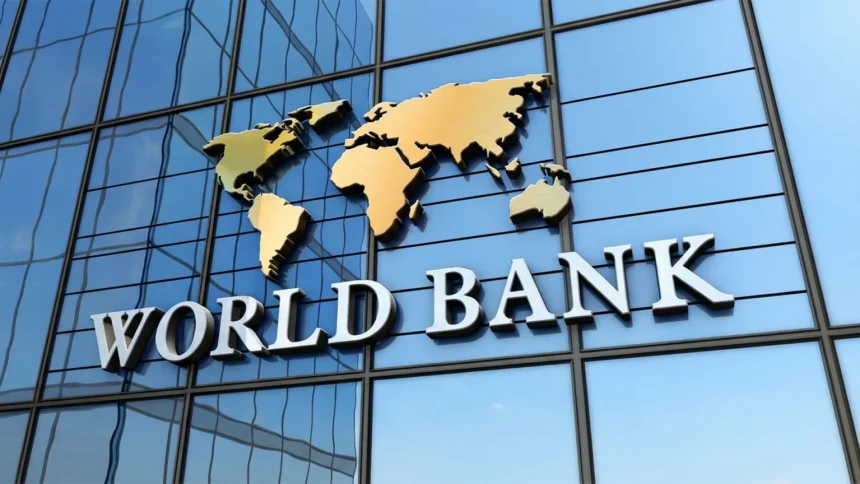
Nigeria and the World Bank have agreed to cancel $717.7 million in undisbursed financing under the Power Sector Recovery Operation (PSRO) programme, effectively shutting down a scheme that was designed to rescue the country’s struggling electricity sector.
The federal government formally requested the discontinuation on March 26, and the World Bank has since moved to close the operation ahead of its original June 2027 deadline.
EDITOR’S PICKS
The cancellation is significant not because the money has been lost — it was never drawn down — but because of what it reveals about the state of Nigeria’s power sector and how far the country remains from fixing it.
How It Went Wrong
The PSRO had a promising start. Between 2019 and 2022, tariff shortfalls — the gap between what electricity actually costs to produce and what consumers pay — fell from N581 billion to N166 billion. Cost recovery improved from 56 percent to 94 percent. These were real gains, and they suggested the sector was moving in the right direction.
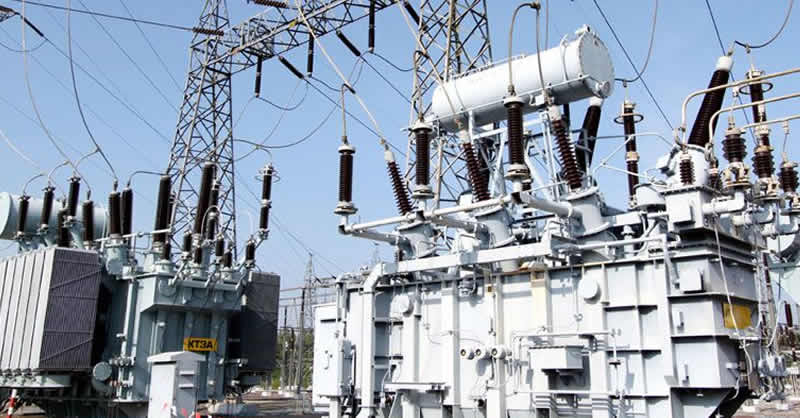
Then came June 2023. When the federal government liberalised the foreign exchange market, the naira collapsed in value. This single event undid years of progress. More than 70 percent of Nigeria’s electricity is generated from gas, and that gas is priced in dollars. As the naira fell, the cost of generating power surged. But electricity tariffs — the prices consumers pay — remained largely frozen. The result was a widening hole in the sector’s finances.
By 2024 and 2025, tariff shortfalls had climbed to N1.9 trillion per year, more than ten times the 2022 low of N140 billion. Only Band A customers — those receiving the most reliable supply — saw their tariffs raised to cost-reflective levels in April 2024. Everyone else continued paying rates that bore little relation to what power actually costs to deliver.
The World Bank had approved an additional $750 million in financing in 2023 to push further reforms, including improvements at the Transmission Company of Nigeria (TCN) and stronger governance measures across the sector.
But with the sector’s finances deteriorating and the government unable to present a credible plan for closing the funding gap, Nigeria failed to meet the disbursement targets tied to the new money. Only nine percent of that additional financing was ever released.
What the Cancellation Signals
The World Bank’s decision to pull the plug reflects more than a funding disagreement. It is a frank admission that the programme’s design had become disconnected from Nigerian realities.
The scheme depended on coordinated action across fiscal policy, regulation, and sector operations, a level of coordination that proved impossible to sustain once the macroeconomic environment shifted.
The downgrading of the programme’s implementation rating from “satisfactory” to “moderately unsatisfactory” tells the story plainly. The operation was not failing because of a lack of money. It was failing because the structural conditions needed to make the money work were not in place.
What Comes Next
For ordinary Nigerians, the immediate impact of the cancellation is limited — the $717.7 million was never flowing into power infrastructure in the first place. But the longer-term implications are harder to dismiss.
The World Bank says future support to Nigeria’s power sector will shift toward targeted investments that can show measurable results within shorter timeframes. This suggests the multilateral lender has grown impatient with large, reform-dependent programmes that require sustained government commitment over many years.
Nigeria must now pursue power sector reforms through alternative financing instruments. What those instruments will be, and whether they can deliver the scale of investment the sector needs, remains unclear.
The $798 million already disbursed under the programme has delivered some lasting results, and the World Bank says those gains remain valid.
FURTHER READING
But with tariff shortfalls still near record highs and the grid’s reliability still a daily frustration for businesses and households alike, the sector’s fundamental problems have not gone anywhere. The cancelled loan was a tool. The crisis it was meant to address is still very much alive.
Philip Ibitoye is a Special Correspondent with EKO HOT BLOG. Click here to find daily analysis and critical insight on trending issues in Lagos and other parts of Nigeria.
Click to watch the video of the week below: