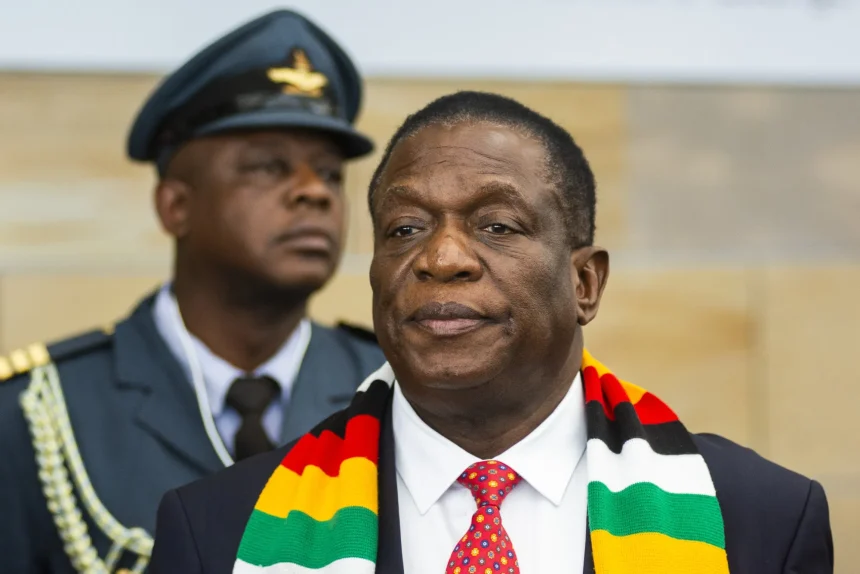
- The Zimbabwean government has confirmed that 15 of its citizens died on the front lines of the Russia-Ukraine war after being lured by fake job agencies promising high-paying civilian roles.
- Diplomatic efforts are currently intensifying to secure the safe return of 66 other Zimbabweans known to be alive but trapped in combat zones.
- Ukraine estimates that over 1,700 Africans, including Nigerians, Kenyans, and South Africans, have been coerced into fighting for Russia as it faces a critical shortage of domestic soldiers.
The Zimbabwean government has officially confirmed a grim milestone in the ongoing international recruitment scandal surrounding the Russia-Ukraine conflict.
Eko Hot Blog reports that on Wednesday, March 25, 2026, Information Minister Zhemu Soda revealed that 15 Zimbabwean nationals lost their lives after being “tricked” into active combat roles through fraudulent recruitment schemes.
EDITOR’S PICK
- Ogun Begins Crackdown on Illegal Parks at Sango Border Over Rising Accidents
- Police Nab 30-Year-Old ‘Super M’ During Stop-and-Search in Lagos
- LASG Launches Investigation Into Cosmetic Surgery Death
These citizens, primarily vulnerable job seekers, were targeted via social media by agencies posing as legitimate employers offering secure, high-paying work-study programs or security positions.
According to Minister Soda, the reality for these recruits was far from the promises made by the recruiters. Upon arrival, many were stripped of their travel documents and coerced into the military.
“They receive little to no training and are placed in life-threatening situations,” the Minister stated.
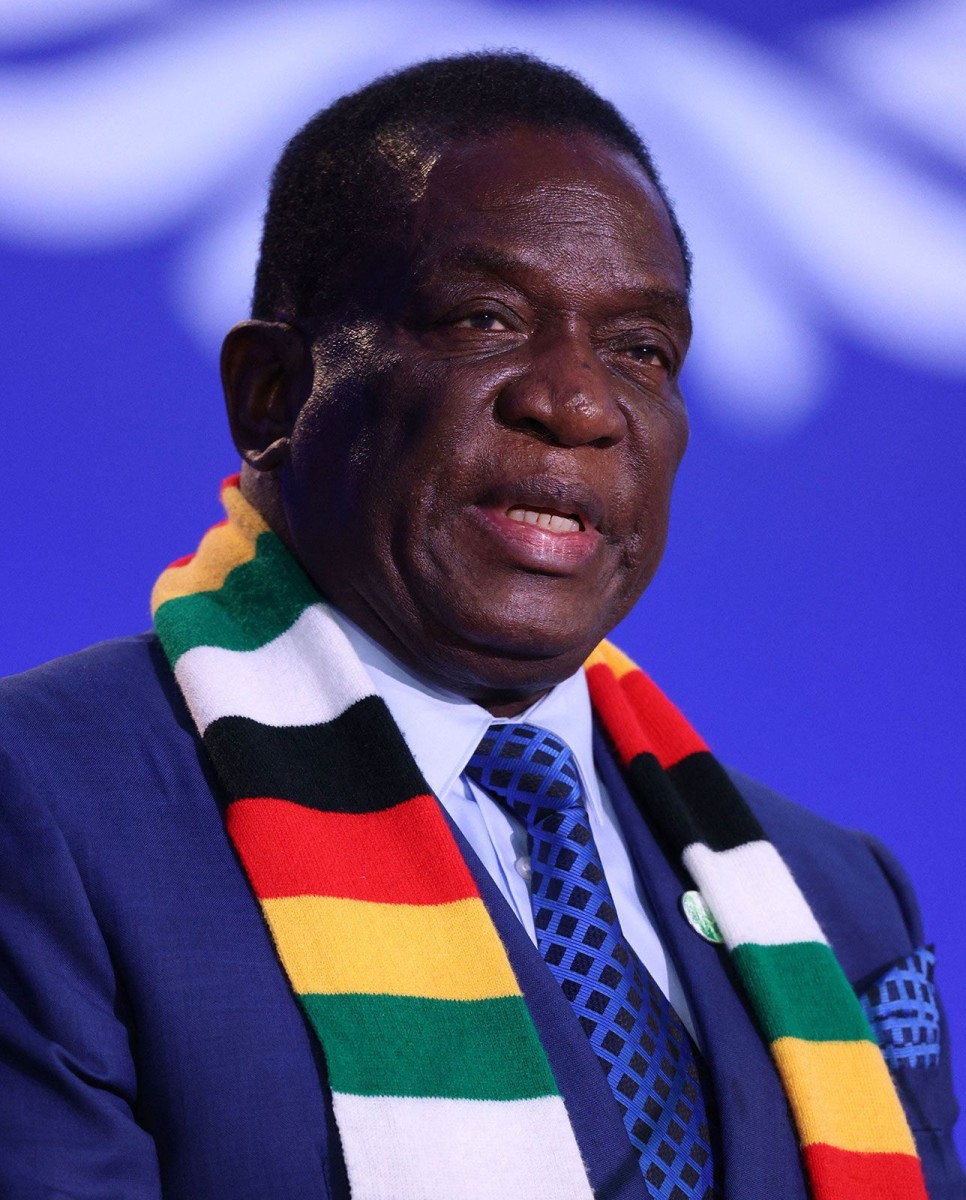
He added that when these individuals are killed or captured, the recruiters vanish, leaving families back in Zimbabwe with no financial support, no information, and no remains to bury.
In many instances, the attractive salaries promised to the recruits were never actually paid.
This development highlights a broader, alarming pattern across the African continent. Reports indicate that Russia, facing a shrinking pool of domestic soldiers, has turned to systematic recruitment in Africa and Asia.
South Africa, Kenya, and Nigeria have all reported similar casualties.
In February 2026, it was confirmed that at least four Nigerians were killed on the battlefield, prompting the European Union Ambassador to Nigeria, Gautier Mignot, to condemn the practice as “extremely crude,” accusing Russia of sending people who have no connection to the war to die on the front lines.
The Zimbabwean government is now prioritizing the repatriation of the bodies of the deceased and the extraction of the 66 survivors still in the region.
Despite historical ties between Harare and Moscow, the administration is coming under increasing pressure to protect its citizens from these predatory networks that exploit economic hardship to fuel a foreign war.