- 35 Million Nigerians Could Face Severe Hunger In 2026 – UN
- Escalating insurgency and funding shortages are driving worsening malnutrition nationwide.
- WFP warns food insecurity could deepen instability across Nigeria and West Africa.
The United Nations World Food Programme has issued a stark warning that nearly 35 million Nigerians could face severe food insecurity in 2026, raising renewed concerns about the worsening humanitarian crisis across northern Nigeria.
According to the agency, the persistent insurgency in the region is driving hunger to unprecedented levels and posing a growing threat to stability across West Africa.
EDITOR’S PICKS
- Lagos East Senator, Tokunbo Abiru Celebrates Men on International Men’s Day
- Nathaniel Bassey Condemns Kwara, Kebbi Attacks
- 42 Countries Confirm 2026 World Cup Qualification As UEFA Sets Playoff Paths
EKO HOT BLOG reports that in a statement released on Tuesday, the WFP highlighted findings from the latest Cadre Harmonisé assessment, which projects that almost 35 million Nigerians may experience acute food insecurity during the 2026 lean season. This would represent the highest figure ever recorded in the country.
The lean season in northern Nigeria, which typically spans June to August, is the period before major harvests when household food reserves are depleted, market prices rise sharply, and millions struggle to access food.
In conflict-hit communities, continued attacks by insurgents prevent farmers from planting, tending or harvesting their crops, worsening an already fragile food supply chain.
Armed group activities escalated sharply throughout 2025. Jamaat Nusrat al Islam wal Muslimin, an al Qaeda affiliate, reportedly launched its first attack in Nigeria last month, while the Islamic State in West Africa Province continues to widen its reach across the Sahel.
Communities are under enormous pressure from repeated violence and economic hardship, WFP Country Director David Stevenson said in the statement. He warned that failure to contain hunger could deepen instability, creating conditions that insurgent groups may exploit to strengthen their influence across the region.
Rural farming communities in northern Nigeria remain the worst affected. Nearly six million people in Borno, Adamawa and Yobe are expected to face crisis level food insecurity or worse during the 2026 lean season.
Borno State could see about fifteen thousand people experiencing catastrophic hunger, equivalent to famine-like conditions. Children in Borno, Sokoto, Yobe and Zamfara are especially at risk, with malnutrition rates rising sharply.
The situation is worsened by critical funding shortages that have limited WFP’s ability to provide life saving assistance. Almost one million people in the northeast rely on WFP’s food and nutrition support, but programme cuts in July affected more than three hundred thousand children. In communities where clinics closed, malnutrition levels increased from serious to critical during the third quarter of the year.
Despite rising needs, the agency warns it will exhaust its resources for emergency food and nutrition interventions by December. Without swift and substantial funding, millions could be pushed deeper into hunger in 2026, further destabilising Nigeria and neighbouring countries.
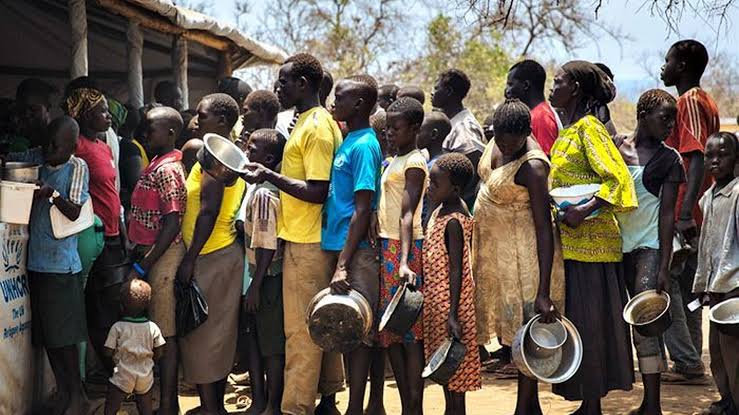
Stevenson stressed the urgency of global support, saying the crisis now poses both humanitarian and security risks. He called for immediate international action to avert further suffering and prevent the situation from spiralling into a wider regional emergency.