- He stressed that failure to guarantee safety undermines the very essence of governance
- He advocated the creation of a National Border Force equipped with modern surveillance technology
- Kalu said Nigeria lacks effective implementation of existing deterrence laws
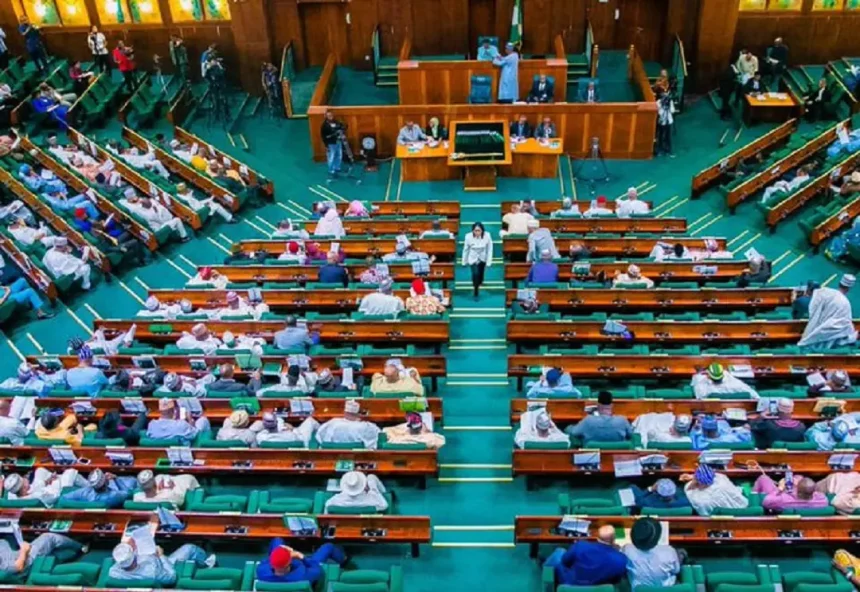
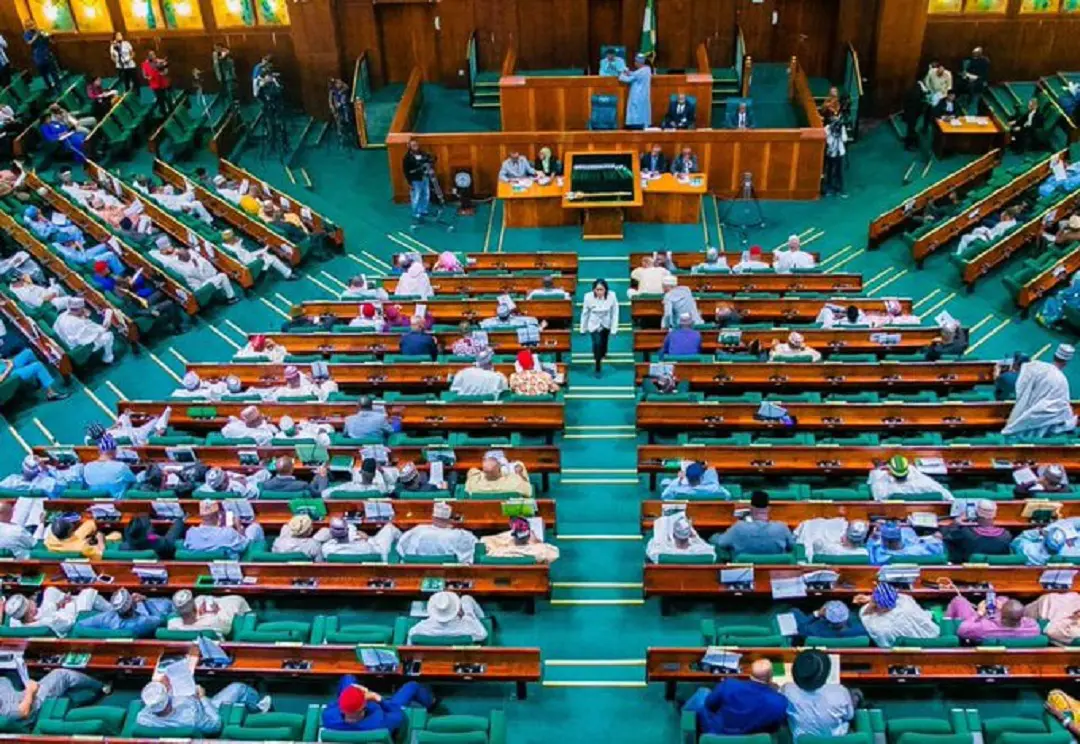
Growing concern over Nigeria’s deteriorating security landscape dominated Tuesday’s plenary session at the House of Representatives, as lawmakers demanded urgent and coordinated action from the Federal Government to halt the escalating wave of violence across the country.
Eko Hot Blog reports that members of the Green Chamber agreed that the recent spike in bandit attacks claiming several lives and displacing communities has eroded public confidence and requires immediate intervention at all levels of government.
EDITOR’S PICK
- Dollar to Naira Rate Today, 26 November 2025 – Official/ Black Market
- Is CBN Halting New Intervention Programmes a Positive Development?
- BREAKING: 24 Abducted Kebbi Schoolgirls Rescued (Photo)
Leading the debate, Minority Leader Kingsley Chinda lamented that Nigerians now live in constant fear, describing a nation where families pray anxiously until their loved ones reach home safely. He stressed that failure to guarantee safety undermines the very essence of governance.
Chinda warned against oversimplifying the crisis by attributing it solely to religious motives, insisting that political violence, economic hardship, porous borders, and extremist indoctrination are fuelling insecurity. He accused political actors of enabling the problem by allegedly importing foreign mercenaries during election cycles.
He advocated the creation of a National Border Force equipped with modern surveillance technology and called on the National Assembly to summon security chiefs for a comprehensive briefing.
Deputy Speaker Benjamin Kalu said Nigeria lacks effective implementation of existing deterrence laws, outlining a five-point framework to tackle institutional weaknesses, legislative gaps, and policy failures.
He dismissed negotiations with bandits as counterproductive, arguing that ransom payments and amnesty offers only strengthen criminal networks.
Kalu also urged the House to outlaw unregulated ransom deals, enforce transparent police funding, and develop laws supporting drone-based military operations.
House Leader Prof Julius Ihonvbere painted a grim picture, citing more than 24,000 recorded violent incidents in one year and nearly 9,500 deaths in 2024. He warned that banditry in the North-West has evolved into full-blown terrorism, with over 1.5 million Nigerians displaced.
Northern Caucus leader Alhassan Doguwa delivered a fiery contribution, declaring that insecurity has reached “war-like” proportions nationwide.
He urged the House to consider shutting down legislative activities if urgent and decisive steps are not taken, insisting that governance is meaningless when citizens cannot live in peace.
FURTHER READING