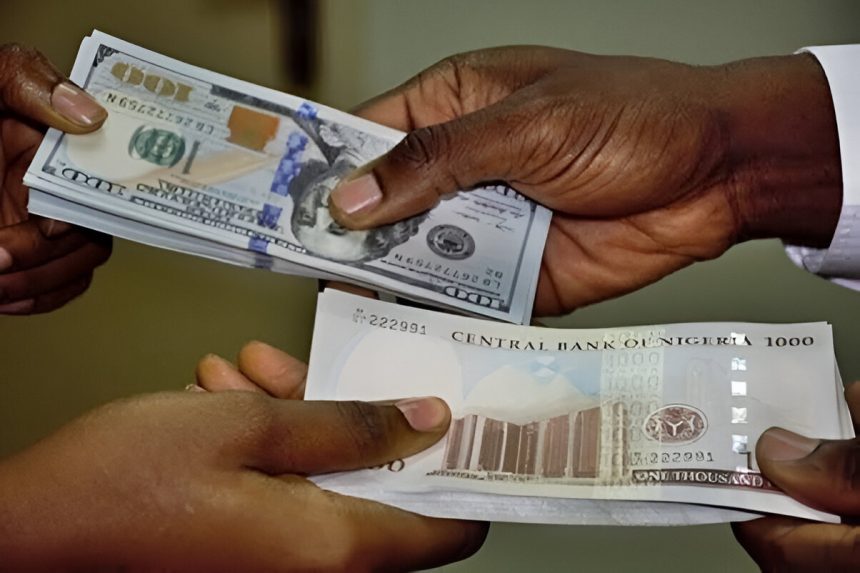
- Dollar to Naira Rate, 27 November 2025
- Black-market dollar trades around ₦1,470.
- Rate gap reflects persistent demand and forex supply constraints
On 27 November 2025, the U.S. dollar (USD) continues to command a significant premium over the Nigerian naira (NGN), reflecting ongoing demand pressure in both formal and informal foreign-exchange markets.
EDITOR’S PICKS
- Lagos East Senator, Tokunbo Abiru Celebrates Men on International Men’s Day
- Nathaniel Bassey Condemns Kwara, Kebbi Attacks
- 42 Countries Confirm 2026 World Cup Qualification As UEFA Sets Playoff Paths
EKO HOT BLOG reports that according to the latest data, the dollar trades at around ₦1,446.32 in the official Nigerian Foreign Exchange Market (NFEM), while rates in the parallel (black) market remain elevated.
Exchange Rates Today
| Market Type | Buying Rate (₦) | Selling Rate (₦) |
|---|---|---|
| Official Market (NFEM) | ≈ ₦1,446.32 | ≈ ₦1,446.32 |
| Black / Parallel Market | ₦1,460 – ₦1,464* | ₦1,470 |
*Based on recently reported black-market rates for late November.
What This Means for Businesses and Households
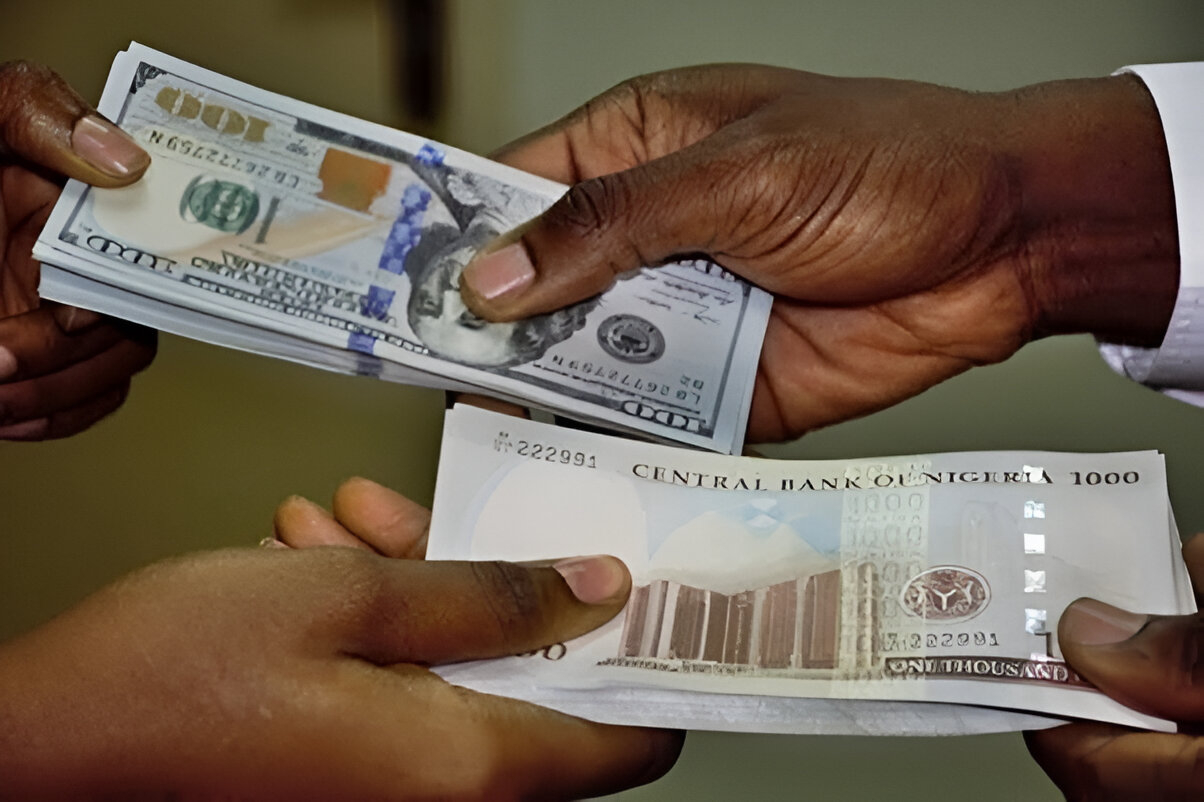
The gap between the official and black-market rates persists, signalling supply constraints and sustained demand for foreign currency outside formal channels. For most Nigerians importers, exporters, remittance recipients, small business owners, and travelers this means budgeting around ₦1,446 to ₦1,470 per dollar, depending on where they exchange.
This disparity also underscores broader economic stress: high import costs, rising inflation on dollar-denominated goods, and increased costs for international transactions. For small and medium-sized enterprises (SMEs), especially those reliant on imported inputs, the elevated parallel market rate erodes profit margins and squeezes cash flow.
Outlook: What to Watch
The continuing weakness in the naira hinges largely on foreign-exchange supply, oil export earnings, and foreign-reserve inflows. The official NFEM rate remains relatively stable, but the elevated black-market rate suggests persistent structural imbalances. Investors and traders will likely be monitoring:
- Foreign reserve movements — any increase could ease pressure on the naira.
- Oil price trends and exports — a rebound could support stronger forex inflows.
- Policy actions by the Central Bank of Nigeria (CBN) — interventions or new forex windows may narrow the spread.
For now, Nigerians exchanging hard currency should brace for continued volatility and a potentially wide divergence between official and black-market rates.