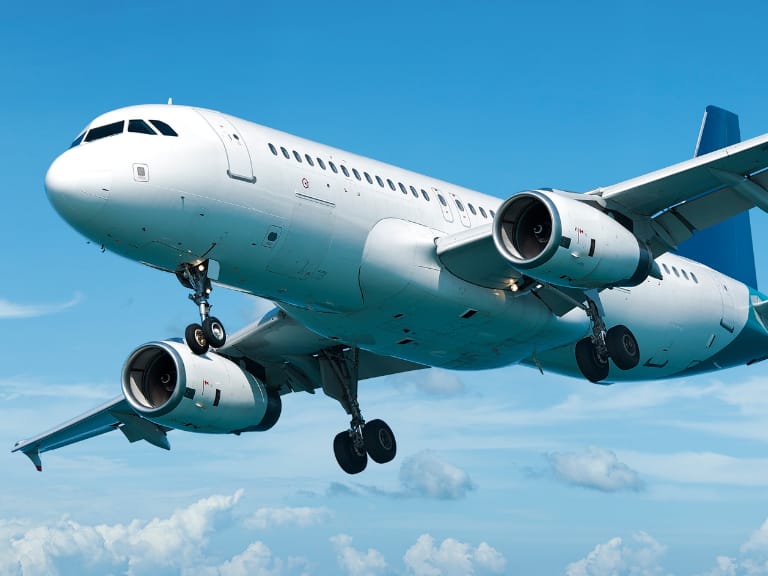
Public frustration over the sharp rise in domestic airfares reached the National Assembly this week, with the Senate on Wednesday and the House of Representatives on Thursday demanding urgent intervention from the federal government.
Both chambers warned that the soaring ticket prices threaten national mobility ahead of the festive season, placing pressure on families hoping to travel.
EDITOR’S PICKS
In the Senate, Abdulfatai Buhari warned that the sharp increases could disrupt holiday movement and burden travellers already struggling with economic hardship.
A day later, the House adopted a motion describing the fares as “exorbitant,” urging the federal government to cut aviation taxes by 50 percent during the yuletide. Lawmakers said the traditional Christmas travel season now “looms under the weight” of economic challenges, and that the cost of flying risks locking out many Nigerians hoping to reunite with loved ones.
Their concerns revive an old debate about the true drivers of price spikes in the sector, from aviation fuel to overseas maintenance and the long list of taxes airlines must pay.
While legislators differ on whether airlines are exploiting travellers or simply responding to market pressures, EKO HOT BLOG observed that most agree that the government can take steps to ease the burden without breaching the country’s deregulated aviation framework.
Easing the Weight of Taxes and Charges
Members of the House were explicit in asking the federal government to halve aviation taxes and reduce airport charges during the festive season, citing last year’s intervention to stabilise road transport prices. Airlines have long argued that multiple taxes, some imposed by different agencies, feed directly into ticket prices. ECOWAS recently spotlighted the same issue in its call for West African states to ease aviation levies.
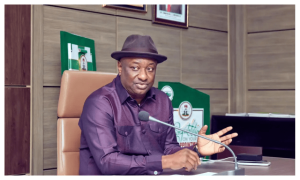
While tax policy falls outside his ministry, Minister of Aviation and Aerospace Development, Festus Keyamo, said he has relayed concerns to fiscal authorities.
Lawmakers believe temporary reliefs would not only make flights more affordable but also reduce cost pressures on airlines battling high fuel prices, expensive leases and a volatile exchange rate.
But stakeholders have said lawmakers need to do more beyond advocacy. On Wednesday, Obiorah Okonkwo, the executive chairman of United Nigeria Airlines, called on the National Assembly to reduce the multiple taxation plaguing domestic airlines, saying taxes are a key driver of high airfares in the country.
“We are taxed about 18 taxes on one single ticket. So any ticket you buy, maybe 70 percent of them goes to other government agencies,” he said at the inauguration of commercial operations at the Ekiti Agro-Allied International Airport.
“If the national assembly will help us reduce these things, which are legislative in nature, we will be able to reduce also the cost of ticket so that it should be affordable to all.”
Engaging Airlines and Protecting Travellers
Some lawmakers accused airlines of exploiting passengers during peak travel periods, especially as insecurity pushes more people away from road transport. Others cautioned against over-regulation, noting that aviation has operated under a deregulated regime since the Babangida era.
Keyamo has maintained that government cannot cap prices in a deregulated market, but it can and will “engage” airlines. Lawmakers say consistent engagement is essential to encourage transparency, prevent arbitrary fare spikes and ensure operators are not taking advantage of desperation or limited travel alternatives.
Increasing Aircraft Availability and Expanding Capacity
A major part of Keyamo’s explanation for soaring fares is the scarcity of aircraft and the limited maintenance infrastructure in the country. Airlines must depend on costly foreign leasing and overseas safety checks, expenses that translate into higher fares.
He disclosed that an international lessor has returned to the Nigerian market after nearly two decades, enabling a local carrier to secure a dry lease at a fraction of earlier costs. As more affordable aircraft become available, competition is expected to increase, bringing fares down through market forces rather than direct regulation.
Keyamo also announced federal approval for upgrades to airport infrastructure nationwide, including new navigation and communication systems, and the extension of the maintenance contract for the new terminal at Aminu Kano International Airport. These improvements, officials say, will gradually reduce operational costs and strengthen the ecosystem around domestic air travel.
FURTHER READING
While none of the solutions offer instant relief, the path forward appears clear: reduce the tax burden, engage airlines in good faith, and expand capacity across the aviation sector. Together, these steps could help stabilise fares and make domestic travel more accessible, especially during critical periods such as the festive season.
Philip Ibitoye is a Special Correspondent with EKO HOT BLOG. Click here to find daily analysis and critical insight on trending issues in Lagos and other parts of Nigeria.
Click here to watch the video of the week below: