- According to Gumi, the caller informed him that his name was allegedly included among individuals marked
- Gumi’s comments followed a U.S. airstrike carried out on December 25 against suspected ISWAP
- He concluded by warning that fear and silence among leaders have allowed insecurity to thrive unchecked
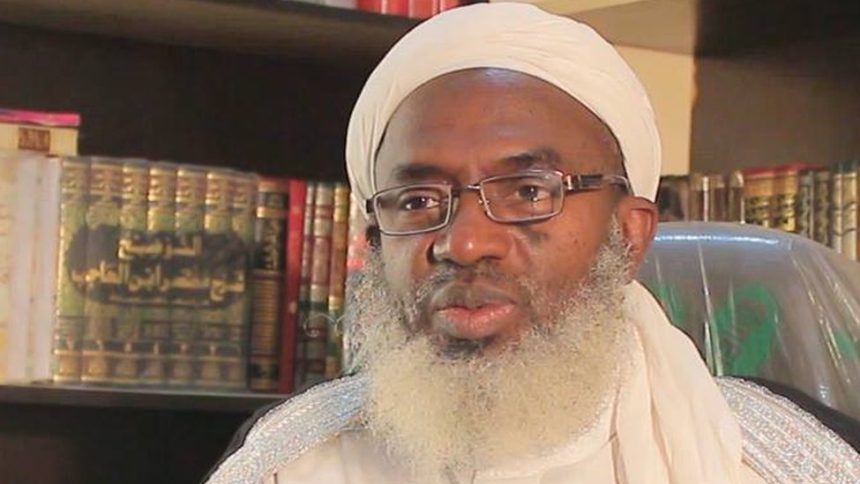
Kaduna-based Islamic scholar, Ahmad Gumi, has claimed that he was informed he had been listed for elimination as a Boko Haram figure on the same day a United States military airstrike reportedly took place in Nigeria.
Eko Hot Blog reports that Gumi made the allegation while addressing worshippers in a video that later went viral on social media, after being shared by an X user identified as #General_Somto.
EDITOR’S PICK
- Akpabio Assures Nigerians of Strong Institutions in 2026
- Dollar to Naira Rate for Today, January 1 2026
- Military Eliminates 20 Top Terrorist Commanders, Rescues 2,336 Kidnap Victims in 2025
The cleric stated that he received an early-morning phone call from an unnamed individual in Abuja who claimed to have knowledge of a high-level security meeting.
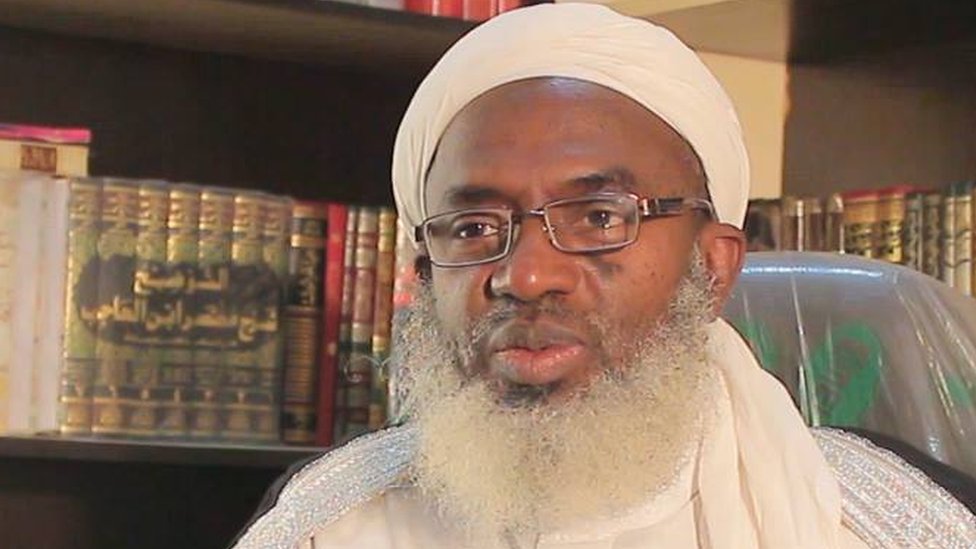
According to Gumi, the caller informed him that his name was allegedly included among individuals marked for assassination through a foreign military operation.
He expressed outrage over the claim, urging northern leaders and Islamic clerics to speak out against what he described as dangerous misinformation.
Gumi’s comments followed a U.S. airstrike carried out on December 25 against suspected Islamic State West Africa Province (ISWAP) fighters in Sokoto State.
The operation came after a statement by former U.S. President Donald Trump, who had earlier warned that the United States would intervene militarily in Nigeria to eliminate terrorists targeting Christians.
The cleric strongly criticised foreign military involvement in Nigeria’s security challenges, arguing that such interventions often worsen instability rather than bring peace.
He accused global powers of hypocrisy, questioning the moral authority of countries that claim to combat terrorism while, in his view, contributing to its spread.
Gumi further alleged that external influence and international narratives have deepened Nigeria’s insecurity and social divisions.
He also criticised political and religious leaders in northern Nigeria, accusing them of silence and inaction in the face of repeated attacks by insurgent groups.
Expressing frustration, he questioned the lack of decisive leadership, asking what concrete steps had been taken to protect communities affected by violence.
The cleric additionally faulted some religious scholars for failing to challenge false accusations and for allegedly supporting selective humanitarian responses.
He concluded by warning that fear and silence among leaders have allowed insecurity to thrive unchecked.
FURTHER READING