- Reacting to US claims of dominance, Delcy Rodriguez rejected suggestions that Venezuela had been subdued
- Among those freed was former opposition presidential candidate Enrique Marquez, who challenged Maduro in the disputed 2024 election
- The prisoner releases began on Thursday, marking the first major concession since US forces removed
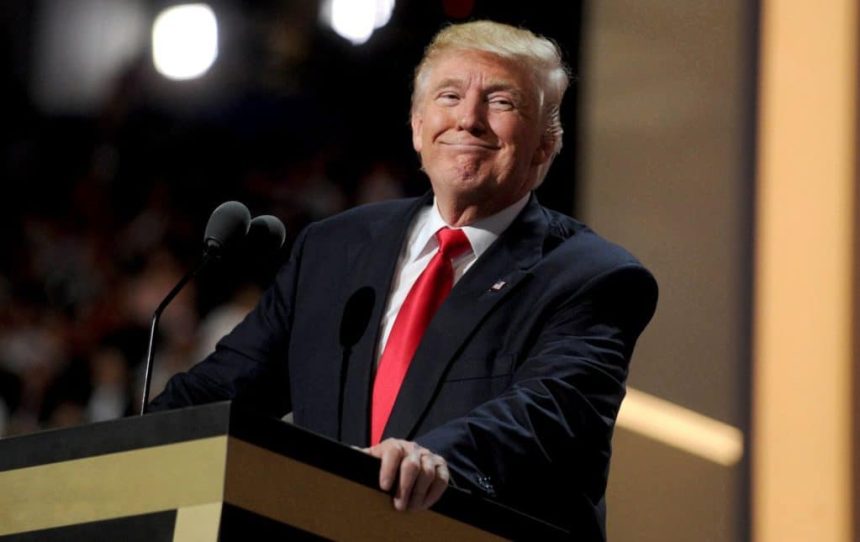
US President Donald Trump has revealed that his administration halted plans for a renewed military offensive against Venezuela following the release of several detainees by the country’s new leadership, a move he framed as a gesture toward de-escalation.
Eko Hot Blog reports that Trump made the disclosure on Friday while announcing upcoming talks with major oil corporations, which he claimed were prepared to commit no less than $100 billion to Venezuela’s oil sector, citing the nation’s vast crude reserves as a key attraction.
EDITOR’S PICK
- DDG Says Streaming Pays More Than Music
- NRC Records Massive Passenger Turnout as 50 Percent Festive Fare Discount Ends
- SERAP Urges Tinubu to Probe Alleged ₦128bn Power Funds
The US leader signalled that military pressure remains a tool on the table, stressing that Washington would continue to act decisively to secure its interests in Venezuela, particularly in the energy sector.
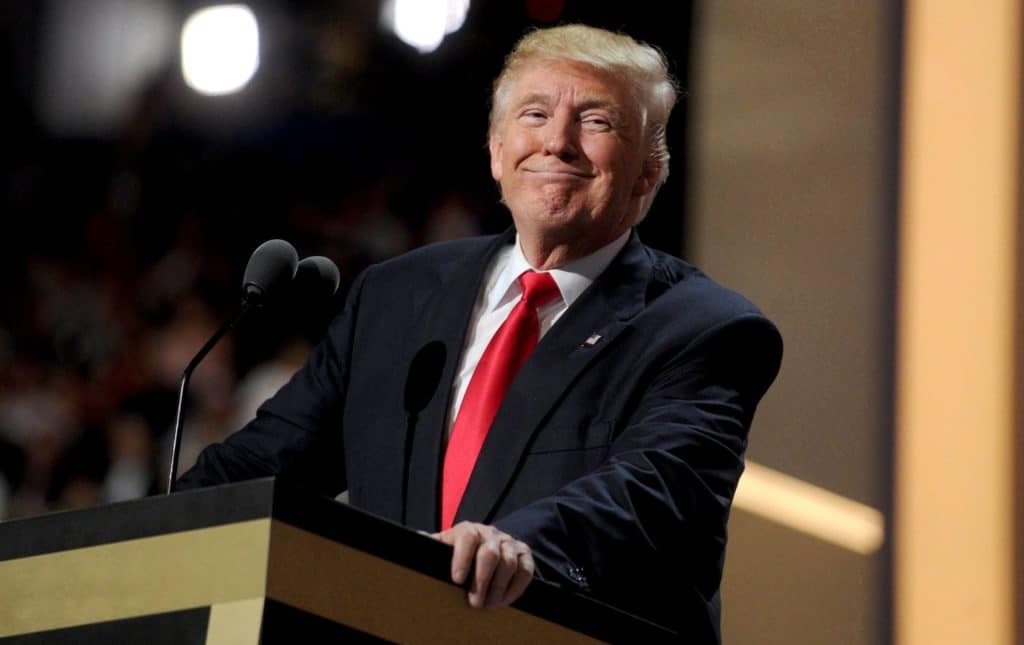
In a post on his Truth Social platform, Trump said the freeing of political prisoners demonstrated what he described as Caracas “seeking peace,” prompting him to cancel a planned second round of strikes.
Despite the pause in attacks, Washington escalated economic pressure by seizing another oil tanker near Venezuelan waters, reinforcing its embargo and tightening control over Venezuela’s primary export. US officials portrayed the move as part of a broader effort to reshape the country’s political and economic direction.
The prisoner releases began on Thursday, marking the first major concession since US forces removed and detained former President Nicolas Maduro during a deadly January operation that reportedly claimed dozens of lives. His deputy, Delcy Rodriguez, assumed interim leadership shortly after the raid.
Among those freed was former opposition presidential candidate Enrique Marquez, who challenged Maduro in the disputed 2024 election. In a video circulated by local journalists, Marquez described his release as the end of a painful chapter, appearing alongside his wife and fellow opposition figure Biagio Pilieri.
The White House quickly claimed responsibility for the releases, presenting them as proof that US pressure had delivered results. Trump has previously downplayed democratic concerns as a motive for intervention, even as Washington long accused Maduro’s government of electoral fraud.
Trump also confirmed plans to meet Venezuelan opposition leader Maria Corina Machado next week, softening earlier remarks in which he questioned her leadership credentials. The US president has publicly expressed envy over Machado’s recent Nobel Peace Prize win, a gesture she later dedicated to him.
Meanwhile, interim authorities said more detainees would be freed in the interest of national reconciliation. Spain’s foreign ministry confirmed the release of several Spanish nationals, including prominent activist Rocio San Miguel, who had been jailed since early 2024 over allegations she consistently denied.
Human rights groups, however, say hundreds of political prisoners remain behind bars, warning that selective releases do not erase years of repression. Foro Penal estimates that more than 800 detainees are still held across Venezuela.
Reacting to US claims of dominance, Delcy Rodriguez rejected suggestions that Venezuela had been subdued, insisting the country resisted foreign aggression during the January assault. She maintained that Venezuela would not surrender its sovereignty despite mounting external pressure.
On the streets of Caracas, reactions were divided, with some citizens expressing cautious optimism about US involvement in the oil sector, while others warned that foreign control of national resources could deepen long-term dependence rather than bring genuine freedom.
FURTHER READING