Nigeria’s health sector faces a critical funding crisis that threatens to undermine the government’s commitment to universal healthcare.
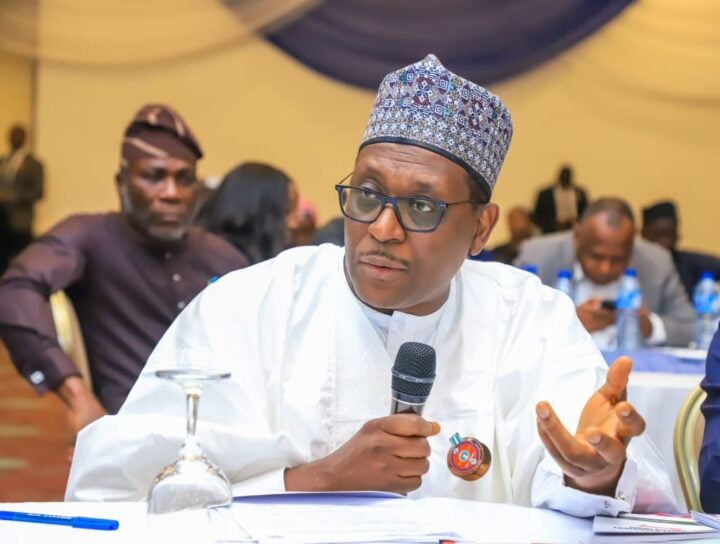
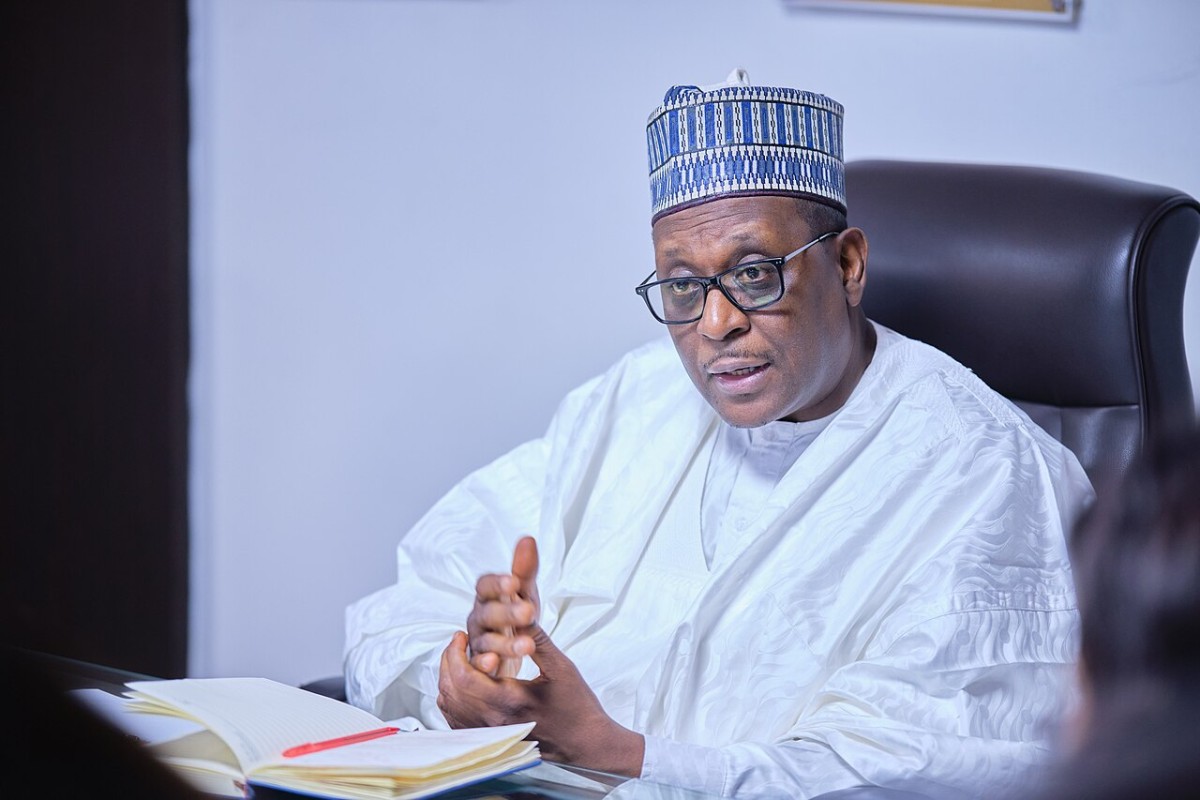
Speaking on Monday during the defence of the Ministry of Health’s 2026 budget before the House of Representatives, Minister of Health and Social Welfare, Mohammed Pate, made the stark revelation that his ministry received only ₦36 million out of a ₦218 billion capital allocation for 2025, leaving about ₦217.96 billion unreleased.
EDITOR’S PICKS
This represents a mere 0.016 per cent release rate — a figure so negligible it raises serious questions about the practicality of Nigeria’s budgeting system and its impact on healthcare delivery for over 200 million citizens.
Understanding the Gap
Whilst personnel costs were fully funded, allowing salaries to be paid, the capital budget, which funds infrastructure, equipment, and essential health programmes, was virtually abandoned. Pate attributed this failure to the bottom-up cash planning system operated by the Office of the Accountant-General of the Federation, a mechanism that appears to prioritise bureaucratic processes over urgent sectoral needs.
The implications are severe. Capital projects include building and equipping healthcare facilities, purchasing essential medical equipment, and implementing programmes that directly affect healthcare access in communities across Nigeria. Without these funds, hospitals remain under-equipped, rural health centres stay unbuilt, and disease prevention programmes cannot be executed.
Compounding this domestic funding failure is the delayed release of Nigeria’s counterpart funding for donor-supported projects. Many international health partnerships operate on a matching funds principle: donors provide resources only when the government demonstrates commitment through its own financial contribution.
By failing to release counterpart funding, Nigeria effectively loses access to additional donor resources that could have multiplied the impact of its health investments.
Policy Versus Practice
The minister outlined a framework guiding Nigeria’s health sector: Vision 20:2020, the Medium-Term National Development Plan, and the National Strategic Health Development Plan II. The constitution and National Health Act guarantee the right to health for all Nigerians, with Universal Health Coverage as a central objective.
However, the gap between policy and implementation could hardly be wider. These frameworks remain aspirational documents when the financial resources needed to actualise them are withheld.
The 2016 National Health Policy calls for “quality, effective, efficient, equitable, accessible, affordable, acceptable and comprehensive health services to all Nigerians,” yet how can this be achieved when 99.98 per cent of capital funds remain unreleased?
This funding crisis reflects broader challenges within Nigeria’s public financial management. The bottom-up cash planning system, whilst intended to improve fiscal discipline, appears to create bottlenecks that prevent ministries from accessing appropriated funds. If this affects health — a priority sector by any measure — one can only imagine the challenges facing less prominent ministries.
Systemic Issues and the Path Ahead
The situation raises fundamental questions about budget credibility. When appropriations bear little relation to actual releases, the budget becomes a symbolic document rather than a genuine planning tool. This undermines both government accountability and the ability of ministries to plan and execute programmes effectively.
The House Committee on Healthcare Services has requested detailed records of donor fund utilisation, a reasonable demand for transparency. However, the more pressing question is how to ensure that appropriated funds actually reach the implementing ministry.
Nigeria needs urgent reforms in its cash management processes to align budget releases with appropriations, particularly for critical sectors like health. Additionally, counterpart funding for donor projects should be treated as a priority obligation, given the multiplier effect such partnerships provide.
The health ministry’s funding crisis is not merely an administrative inconvenience; it is a fundamental threat to Nigeria’s healthcare system and the wellbeing of its citizens. Whilst the 2026 budget proposal promises alignment with national development priorities, Nigerians have heard such assurances before.
FURTHER READING
What matters now is not the size of budget allocations on paper, but whether those funds will actually be released and deployed where they are desperately needed. Until the gap between appropriation and release is bridged, Nigeria’s health sector will continue to operate in crisis mode, unable to fulfil its constitutional mandate to guarantee healthcare for all citizens.
Philip Ibitoye is a Special Correspondent with EKO HOT BLOG. Click here to find daily analysis and critical insight on trending issues in Lagos and other parts of Nigeria.
Click to watch the video of the week below: