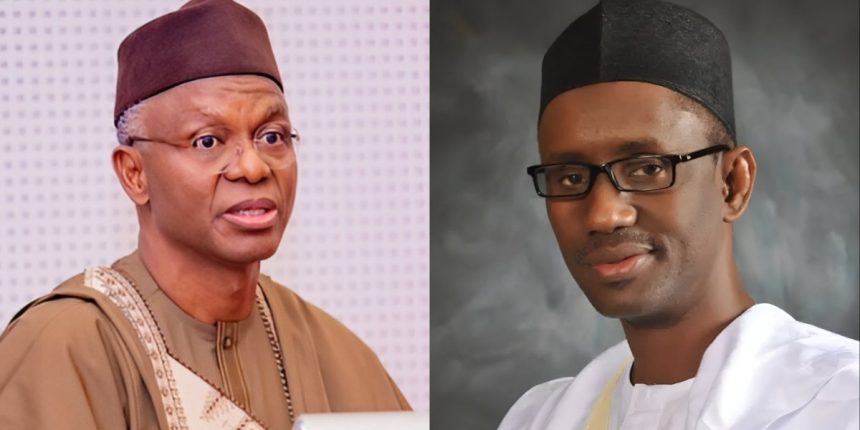
Former Kaduna governor, Nasir El-Rufai, has once again found himself at the centre of controversy after making serious allegations without providing evidence, a pattern that recalls his inflammatory claims during the build-up to the 2015 elections.
In a letter dated January 30, 2026, El-Rufai accused the Office of the National Security Adviser (ONSA) of procuring approximately 10 kilogrammes of thallium sulphate — a highly toxic compound — from a supplier in Poland. He wrote to NSA Nuhu Ribadu requesting clarification on the substance’s intended purpose, framing his inquiry as being made “in good faith” for public safety and democratic accountability.
As part of my duty as a citizen, I wrote to the NSA to seek clarification on reports about the importation by his office of thallium sulphate, a very dangerous toxin. It’s a matter of concern if anyone brings in any poison, more so an odourless, colourless one. pic.twitter.com/sjcjs3akw9
— Nasir Ahmad El-Rufai (@elrufai) February 15, 2026
EDITOR’S PICKS
However, the ONSA has categorically denied the allegation. In a February 13 response that became public on Sunday night, Brigadier-General OM Adesuyi, writing on behalf of Ribadu, stated that ONSA “has neither procured nor initiated any process for the purchase of such material, and has no intention of doing so.”
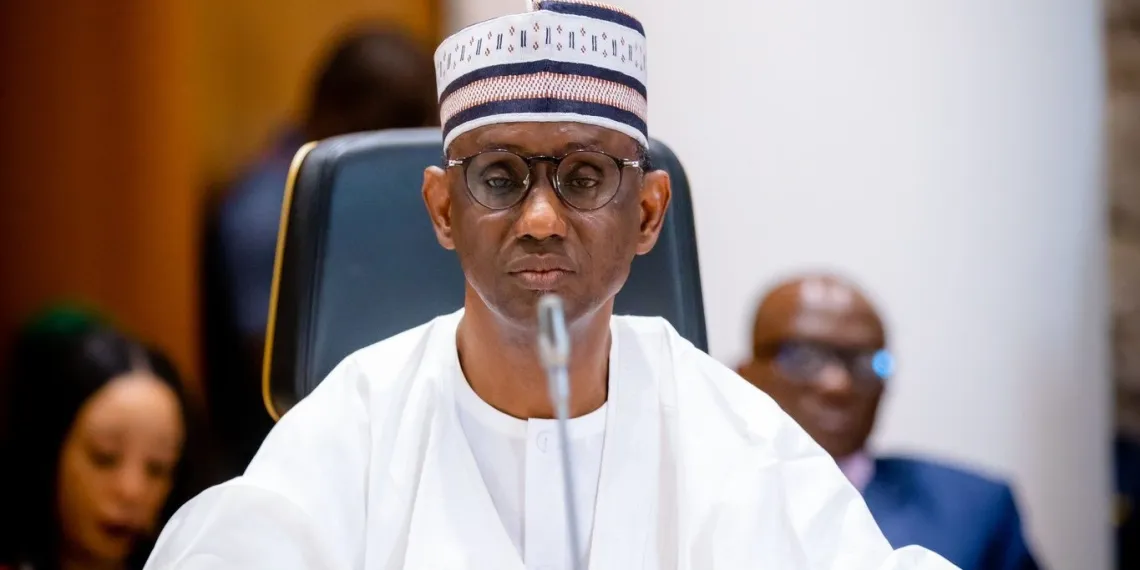
The office has referred the matter to the Department of State Services (DSS) for investigation and invited El-Rufai to provide evidence.
The ball is now in El-Rufai’s court to substantiate an allegation he says came from “information available to the political opposition leadership.”
A familiar playbook
A review of El-Rufai’s public statements by EKO HOT BLOG shows that this is not the first time he has made serious accusations without presenting proof. During the heated political climate before the 2015 presidential election, he levelled a series of extraordinary claims against then-President Goodluck Jonathan that were never substantiated.
The controversy began in December 2013, when former President Olusegun Obasanjo wrote an 18-page letter to Jonathan accusing him of training snipers and acquiring weapons for political purposes.
Shortly after, in January 2014, El-Rufai took to X to claim he was on number 7 of a “snipers’ list” alongside then-General Muhammadu Buhari, Bola Tinubu, Rotimi Amaechi, and Bisi Akande.
On this note, I am going to bed. I am #7 on the GEJ snipers' list, so I will only worry when GMB, Asiwaju, Amaechi, Akande, etc are killed!
— Nasir Ahmad El-Rufai (@elrufai) January 2, 2014
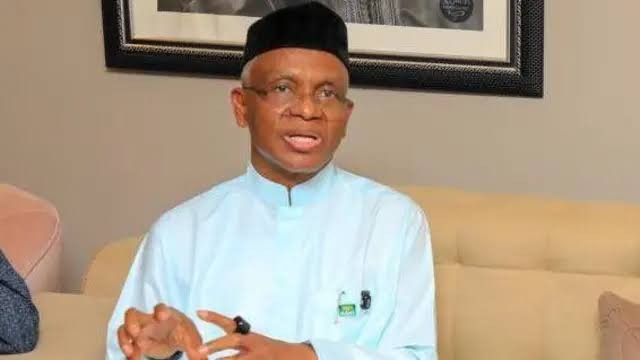
El-Rufai went further. On 8 September 2014, he alleged that President Jonathan had founded and funded Boko Haram with N50 billion “to give Islam a bad name.” Two months later, on November 25, 2014, he claimed Jonathan had travelled to Chad to plan Boko Haram attacks with the late President Idriss Déby.
These were explosive allegations made during Nigeria’s most violent period of Boko Haram insurgency, when thousands were being killed and displaced. Yet no evidence was ever provided to support any of these claims.
Jonathan’s response and the aftermath
President Jonathan firmly denied the accusations. In his December 2013 response to Obasanjo’s letter, he said: “The allegation of training snipers to assassinate political opponents is particularly incomprehensible to me. Since I started my political career as a Deputy Governor, I have never been associated with any form of political violence.”
In a 2021 op-ed, Reno Omokri, a former media aide to Jonathan, said the former president could have had El-Rufai arrested for the defamatory statements but chose not to “in order not to heighten political tension.”
“Security reports received by the then President indicated that Mr. El-Rufai was engaged in provocative activities in order to instigate his own arrest, because he felt it would boost his popularity,” Omokri wrote.
“As such, he made several false and provocative comments, that were injurious to Nigeria’s peace, unity and progress, as well as to our good relations with neighbouring nations.”
No sniper list ever materialised. No evidence of Boko Haram funding or collaboration with Chad was produced. El-Rufai and the others he named as targets remained unharmed.
Questions of credibility
The current thallium sulphate controversy raises questions about el-Rufai’s credibility. Thallium compounds are extremely dangerous — once known as “the poisoner’s poison.”
But if history is a guide, Nigerians may be witnessing a repeat performance. In 2014, El-Rufai made unproven claims about assassination lists and terrorist funding that helped poison the political atmosphere. A decade later, now as opposition member, he is once again making grave allegations about toxic substances and government procurement.
The DSS investigation will determine whether El-Rufai has genuine evidence this time or whether this is another case of attention-seeking politics masquerading as public interest. Until then, his track record speaks for itself.
FURTHER READING
When ONSA’s response was delivered to his Abuja residence on Friday, security operatives initially turned it away, claiming the head of security was not available. It was eventually received on Sunday, February 16, but whether el-Rufai will now present evidence to back his claims remains to be seen.
Philip Ibitoye is a Special Correspondent with EKO HOT BLOG. Click here to find daily analysis and critical insight on trending issues in Lagos and other parts of Nigeria.
Click to watch the video of the week below: