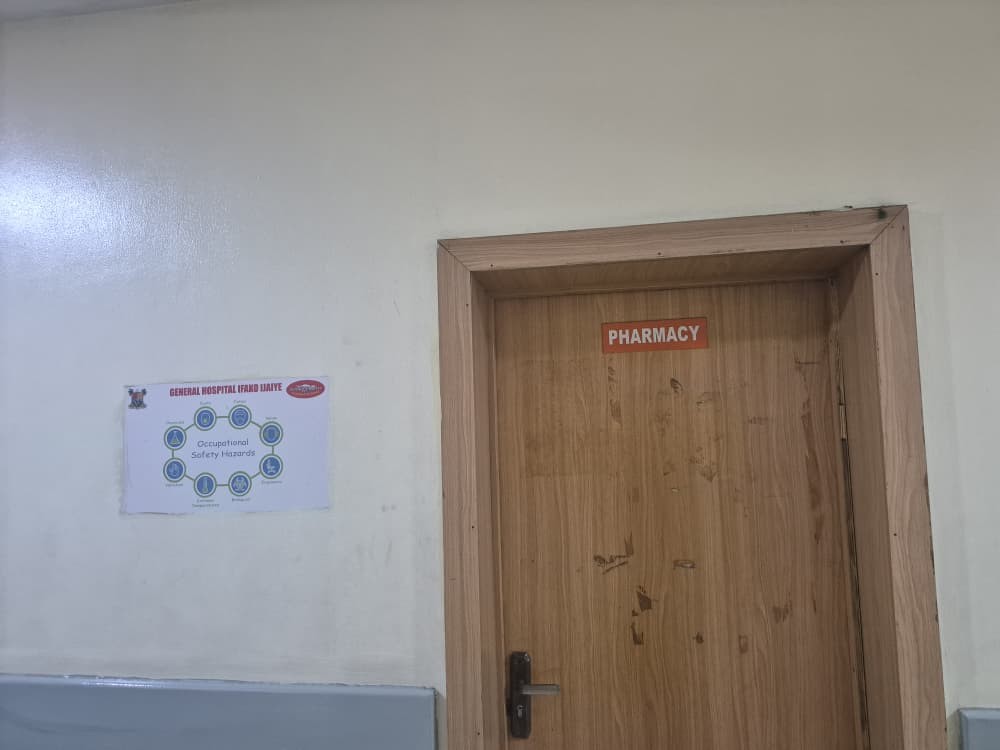
For 84 days, Nigerian hospitals became ghost towns. Pharmacies locked, laboratories shut, operating theatres silent across the country.
The Joint Health Sector Unions (JOHESU) strike, which began on November 15, 2025, and ended only on Friday, February 6, 2026, exposed a troubling truth about how little we value human life in this country.
EDITOR’S PICKS
The numbers tell a devastating story. Maternal mortality jumped by 23 per cent during the strike, according to Kabiru Minjibir, national president of JOHESU. Overall deaths rose to 16.75 per cent in the last 80 days. Patients slated for surgery since early November remained unattended. Those desperate enough turned up at hospital gates only to collapse whilst being turned away. Some sought treatment at private facilities where they paid more than double the normal cost, if they could afford it at all. Many simply could not.
The strike was not without cause. JOHESU members, comprising nurses, pharmacists, laboratory scientists, and other essential health workers, have watched their salary structure remain frozen since 2014 whilst doctors enjoyed three separate reviews. The federal government’s persistent failure to implement the adjusted Consolidated Health Salary Structure pushed workers to the breaking point. But the real question is not who was right or wrong. It is why we allowed thousands of Nigerians to die whilst the government and unions negotiated.
Consider what happened at Obafemi Awolowo University Teaching Hospital Complex, which lost N1.5 billion in internally generated revenue. Or the countless state hospitals that became overwhelmed as patients from federal facilities flooded their wards, turning them into markets. Medical students saw their training disrupted. Emergency rooms struggled to function with skeleton staff. The fabric of our healthcare system simply unravelled.
The government’s response was equally telling. Rather than urgently resolve the dispute, officials implemented a “No Work, No Pay” policy in January 2026. The message was clear: punish the workers, let the patients suffer, and hope the problem resolves itself. It took a 14-day ultimatum from the Trade Union Congress and Nigeria Labour Congress to finally convene an emergency conciliation meeting on Thursday, February 5.
What does this say about us? That we can watch maternal mortality climb by nearly a quarter and still allow bureaucratic delays. That we can see fellow citizens collapse at hospital gates and treat it as collateral damage in a labour dispute. That we value neither the workers who keep our hospitals running nor the patients whose lives depend on those hospitals.
The settlement reached includes budgetary allocation for salary adjustments in the 2026 Appropriation Act and payment of January salaries. But these concessions came only after 84 days of preventable deaths. The unions rightly noted that “a recurring infliction of injustice and a huge trust deficit” necessitated the strike. They are correct. But ordinary Nigerians paid the price for that injustice with their lives.
Other countries treat healthcare workers’ welfare and patient safety as urgent national priorities. Here, we treat them as negotiable. We allow strikes to drag on for months whilst people die. We underfund hospitals, underpay staff, and then act surprised when the system collapses.
The JOHESU strike is now suspended, not resolved. Unless we fundamentally change how we approach healthcare funding and worker welfare, we will be here again. More ghost towns. More locked laboratories. More preventable deaths.
FURTHER READING
The question is not whether we can afford to properly fund healthcare and pay workers fairly. It is whether we can afford not to. Based on the last 84 days, the answer should be obvious. Whether we will learn that lesson remains to be seen.
Philip Ibitoye is a Special Correspondent with EKO HOT BLOG. Click here to find daily analysis and critical insight on trending issues in Lagos and other parts of Nigeria.
Click to watch the video of the week below: