- The House of Representatives Public Accounts Committee has issued a mandatory directive to the Accountant General and Auditor General of the Federation to produce the audited financial statements of the Federal Government for the 2021-2024 fiscal years.
- Lawmakers expressed severe dissatisfaction over the consistent delay in auditing the nation’s accounts, noting that the backlog has significantly hindered the legislature’s ability to perform its oversight functions.
- The committee has set a strict deadline for the submission, warning that any further non-compliance will lead to constitutional sanctions and the potential withholding of funds for the affected offices.
The House of Representatives has intensified its oversight of Nigeria’s public finances, demanding immediate transparency from the nation’s top financial officers.
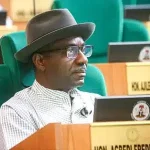
Eko Hot Blog reports that the Public Accounts Committee (PAC) issued the stern directive on Monday, February 16, 2026, following a hearing in Abuja where members raised concerns over the “gross lack of accountability” in the management of the federation’s treasury.
EDITOR’S PICK
- FG Files Charges Against El-Rufai Over Interception of NSA Ribadu’s Phone
- Peter Obi Declares 2027 Presidential Bid on ADC Platform
- Alara of Ilara Named 6th Chancellor of LASU by Governor Sanwo-Olu
The committee ordered that the audited financial statements for the past four years be submitted immediately to allow for a comprehensive review of government expenditures and revenue remittances.
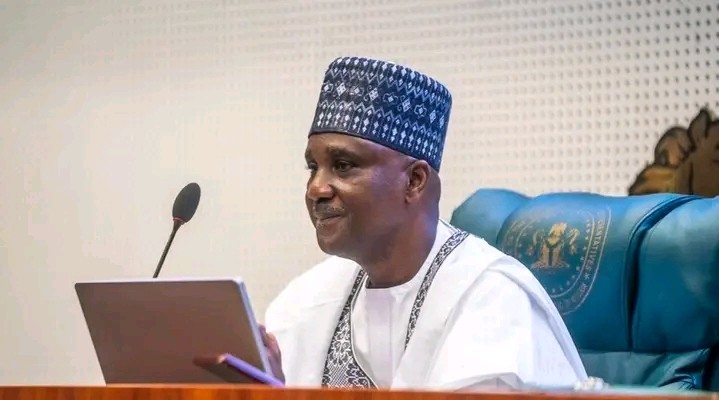
During the session, lawmakers lamented the persistent culture of secrecy and the recurring failure of the Accountant General and Auditor General to provide timely reports.
The PAC Chairman emphasized that under the 1999 Constitution, these offices are required to submit yearly audit reports to the National Assembly to ensure that public funds are utilized for the benefit of the citizens.
The current four-year backlog has reportedly created a massive vacuum in the nation’s financial records, sparking fears of unauthorized spending and unmonitored revenue leakages across various federal agencies.
The committee’s move is seen as a decisive step toward cleaning up the nation’s fiscal management system.
Lawmakers warned that “business as usual” is over and that the National Assembly is prepared to exercise its full investigative powers to track every naira spent by the executive arm.
Both the Accountant General and the Auditor General have been warned that failure to comply with this latest directive will be viewed as a deliberate attempt to sabotage the government’s anti-corruption efforts, potentially leading to a formal probe into the operations of their respective offices.
FURTHER READING