
- President Bola Tinubu has officially signed the Amended Electoral Act 2026 into law.
- The new legislation aims to enhance the transparency and credibility of Nigeria’s electoral process.
- The Act includes provisions for both electronic transmission of results and specific manual backup protocols.
President Bola Ahmed Tinubu has officially signed the Amended Electoral Act 2026 into law, marking a significant shift in Nigeria’s democratic journey.
Eko Hot Blog reports that the new law is designed to address loopholes identified in previous elections and bolster public confidence in the Independent National Electoral Commission (INEC).
The signing ceremony took place at the Presidential Villa in Abuja on Wednesday, February 18, 2026, in the presence of key government officials and leadership from the National Assembly.
The Act introduces comprehensive reforms, including the mandatory use of advanced biometric technology for voter accreditation and the real-time electronic transmission of results from polling units.
However, it also incorporates the controversial “manual backup” clause recently passed by the Senate, which provides a failsafe mechanism in the event of technical glitches during the transmission process.
President Tinubu described the law as a “victory for democracy,” emphasizing that it reflects the collective will of Nigerians for a more transparent and accountable electoral system.
EDITOR’S PICK
- Fani-Kayode Accuses El-Rufai of National Security Threat
- FAAN Bans Cash Transactions Across Operations from February 29
- Senate Retains Manual Backup in Electoral Act Amendment After Heated Vote
Civil society organizations and political analysts have hailed the signing as a timely intervention ahead of the next general elections.
The Act also clarifies the timeline for the submission of candidate names and strengthens the penalties for electoral malpractice, including stiff fines and prison sentences for officials found guilty of manipulating results.
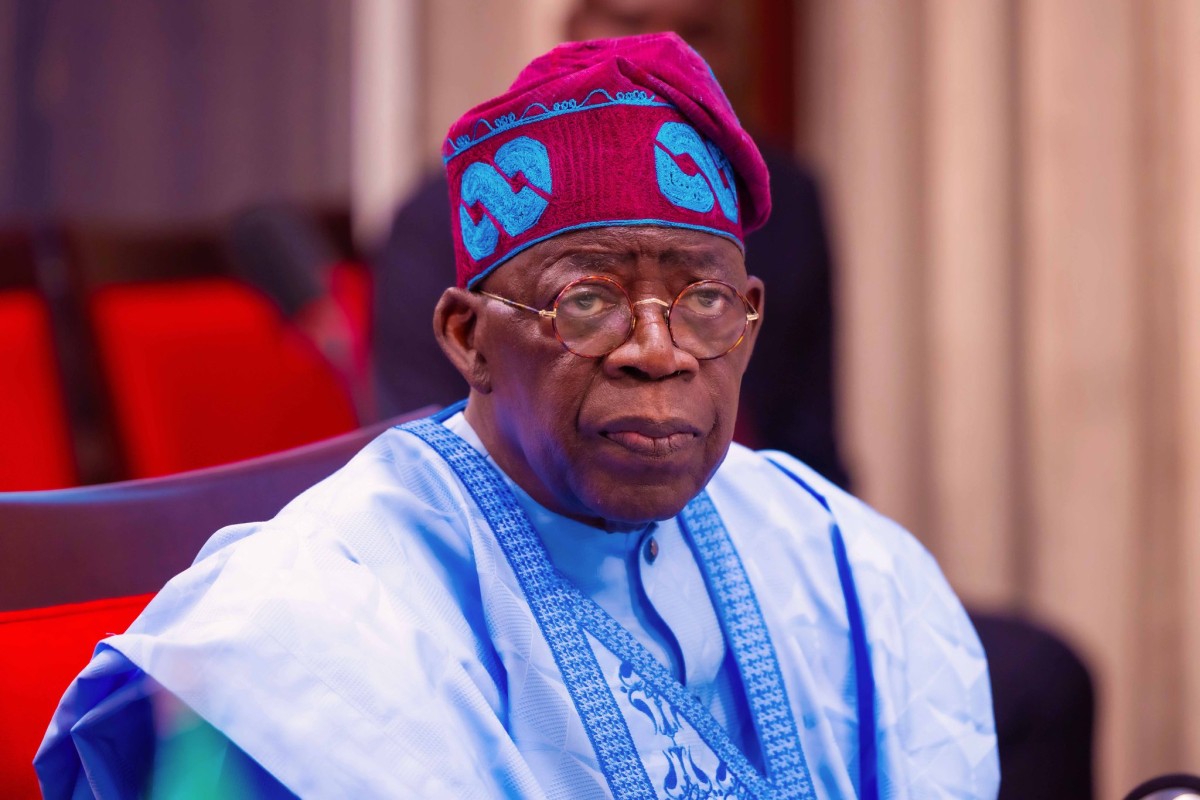
The presidency stated that this move aligns with the “Renewed Hope” agenda to ensure that every Nigerian’s vote counts.
With this new legal framework in place, INEC is expected to begin the rollout of updated training programs for its staff and the procurement of necessary technological infrastructure.
The Commission has already indicated that the integration of the manual backup system will require additional logistical planning to ensure it does not slow down the overall collation process.
As the nation prepares for its next political cycle, the 2026 Electoral Act stands as the primary blueprint for the future of Nigerian elections.
FURTHER READING