- According to Moore, the investigation provided deeper insight into the scale of insecurity
- He urged Nigerian authorities to strengthen collaboration with Washington
- The report proposes a series of measures aimed at curbing extremist violence and ensuring accountability for perpetrators
Members of the United States Congress have delivered a comprehensive report to the White House detailing concerns over alleged persecution of Christians in Nigeria.
The document, submitted on Monday by lawmakers from the House Committees on Appropriations and Foreign Affairs, examines worsening insecurity, extremist attacks and violence affecting Christian communities in different parts of the country, Eko Hot Blog reports.
EDITOR’S PICK
- Troops Intercept Suspected Gun Runner, Seize 969 Rounds of Ammunition in Taraba
- Lagos Receives $1m Japanese Support to Prevent Cholera Outbreak
- Eniola Badmus: Mindset Transformation Is Secret To My 80kg Weight Loss Success
The review followed months of inquiry initiated after former US President Donald Trump redesignated Nigeria as a Country of Particular Concern (CPC).
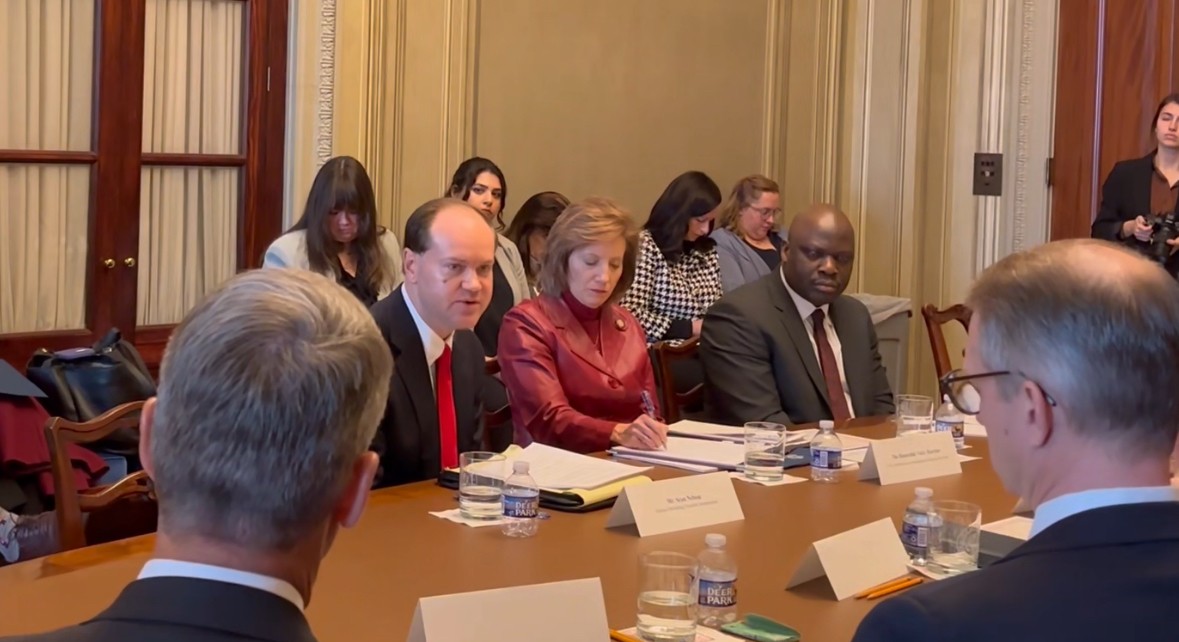
Trump tasked Congressman Riley Moore and House Appropriations Committee Chairman Tom Cole with leading the investigation.
Moore confirmed the report’s submission in a statement shared on social media, explaining that the findings were based on hearings, consultations with experts and religious leaders, and a bipartisan fact-finding visit to Nigeria.
During the trip, US lawmakers visited camps for internally displaced persons in Benue State, met survivors of violent attacks and held discussions with senior Nigerian officials, including National Security Adviser Nuhu Ribadu.
According to Moore, the investigation provided deeper insight into the scale of insecurity and the challenges confronting Christian populations.
He urged Nigerian authorities to strengthen collaboration with Washington, saying closer ties would benefit both nations in tackling security threats.
The report proposes a series of measures aimed at curbing extremist violence and ensuring accountability for perpetrators.
Among its recommendations are the establishment of a bilateral US–Nigeria security agreement focused on protecting vulnerable communities and dismantling jihadist networks.
Lawmakers also suggested conditioning certain US funding on measurable progress in preventing attacks, alongside imposing visa restrictions and sanctions on individuals or groups linked to religious persecution.
The document further calls for technical assistance to address violence attributed to armed groups, including some Fulani militias, and recommends reviewing laws related to Sharia and blasphemy.

In addition, the report encourages broader international cooperation with partners such as France, Hungary and the United Kingdom to confront regional security challenges.
Moore thanked Trump for reinstating Nigeria’s CPC designation and acknowledged the contributions of other lawmakers involved in the inquiry, including Vice Chair Mario Diaz-Balart, Foreign Affairs Committee Chairman Brian Mast and Congressman Chris Smith.
The report’s submission is expected to influence future US policy toward Nigeria, particularly in the areas of security collaboration and foreign assistance.
It also increases diplomatic pressure on Abuja to address religious violence and improve safety for affected communities.
FURTHER READING