- State authorities have also accused federal agencies of obstructing efforts to preserve evidence
- According to officials, Trump’s border policy chief, Tom Homan, is expected to take over coordination of the operation in Minnesota
- Mayor Frey also indicated progress, noting that federal authorities acknowledged the situation was unsustainable
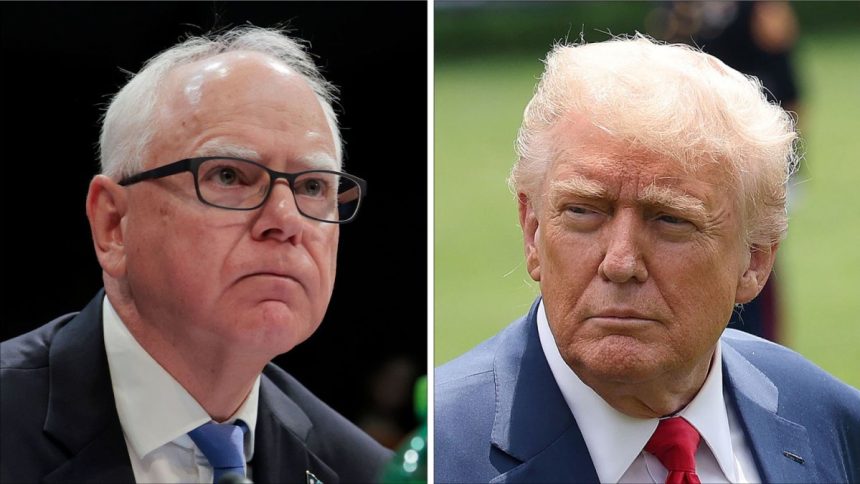
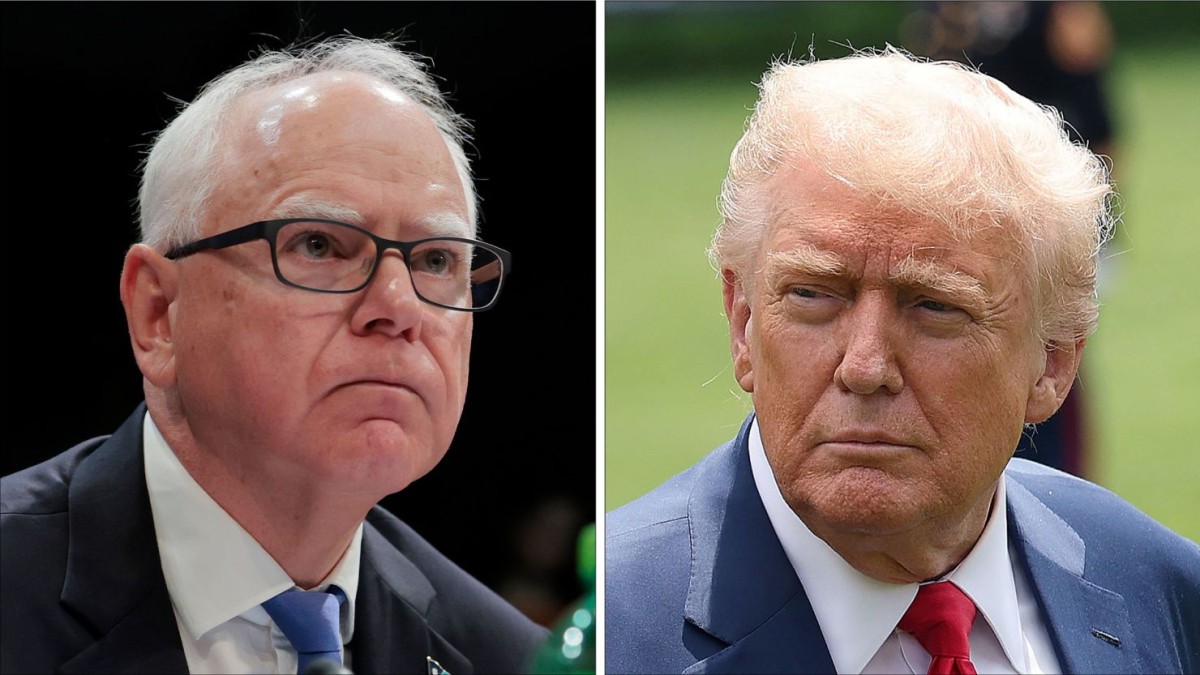
President Donald Trump and Minnesota Governor Tim Walz have struck a calmer tone following a private phone conversation, signalling efforts by both sides to ease tensions over the federal government’s controversial deportation operation in Minneapolis that has resulted in the deaths of two U.S. citizens
Eko Hot Blog reports that the development marks a shift from weeks of sharp exchanges between federal authorities and Minnesota leaders.
EDITOR’S PICK
- ADC Requests INEC Postpone FCT Area Council Elections
- Tope Alabi Welcomes Grandchild
- CBN to Introduce New Policy to Regulate Debit Card Issuance, ATM Operations
Trump also held a separate phone call with Minneapolis Mayor Jacob Frey on Monday, with both leaders describing the discussion as constructive.
In another sign of de-escalation, senior officials confirmed that Gregory Bovino, a senior U.S. Border Patrol officer who has been at the centre of criticism over the operation, will be withdrawn from Minnesota along with some of the federal agents deployed to the state.
Bovino had become a visible figure in the enforcement drive, frequently leading armed patrols across city streets.
According to officials, Trump’s border policy chief, Tom Homan, is expected to take over coordination of the operation in Minnesota, known as “Operation Metro Surge.”
Sources also disclosed that Bovino has been relieved of his special role as Border Patrol “commander at large” and reassigned to his previous posting in California, with indications that he may soon retire.
The leadership changes come amid growing outrage over the fatal shooting of 37-year-old ICU nurse Alex Pretti by federal agents during a confrontation with protesters in Minneapolis.
The incident, captured on video and widely shared online, has intensified public anger and cast doubt on the federal government’s version of events.
A similar controversy followed the earlier killing of another U.S. citizen, Renee Good, an anti-ICE activist and mother of three, who was shot by a federal agent earlier this month. In both cases, civil rights groups and Minnesota officials have questioned the use of force and criticised the lack of immediate federal investigations.
State authorities have also accused federal agencies of obstructing efforts to preserve evidence, prompting a legal dispute over access to materials related to the shootings.
Following his call with Walz, Trump said both leaders were “on the same wavelength” and suggested that the administration may reduce the number of federal agents stationed in Minnesota.
Walz’s office confirmed that Trump had agreed to consider scaling back the operation and to ensure the state can carry out its own investigation into Pretti’s death.
Mayor Frey also indicated progress, noting that federal authorities acknowledged the situation was unsustainable and that some agents would begin leaving the Twin Cities.
The controversy appears to be affecting political calculations as well. A leading Minnesota Republican gubernatorial hopeful, Chris Madel, withdrew from the race, citing concerns that the deportation crackdown had gone too far and alienated voters
As scrutiny of the operation intensifies and public support wanes, the latest moves suggest a tentative effort by federal and state leaders to cool tensions and reassess the enforcement strategy in Minnesota.
FURTHER READING