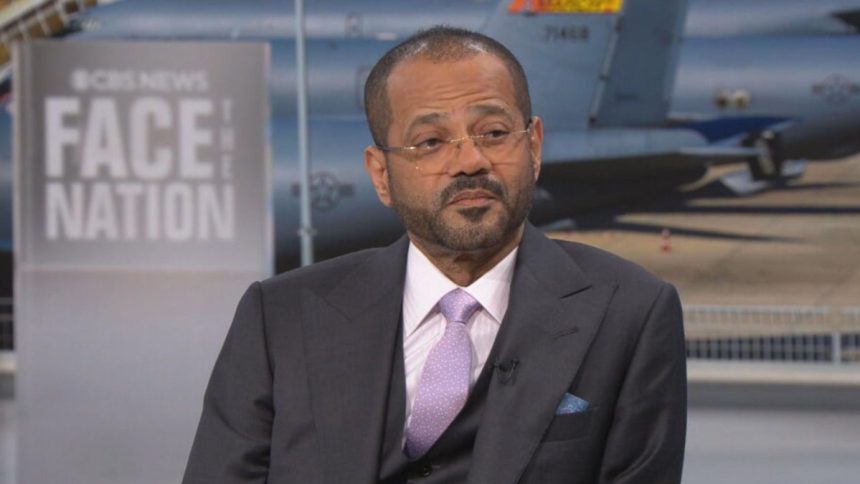
- Omani Foreign Minister Badr Albusaidi reports “substantial progress,” stating Iran has agreed to never possess nuclear weapons material.
- Proposed deal includes converting enriched uranium stockpiles into irreversible fuel and granting IAEA inspectors full verification access.
- President Trump expresses dissatisfaction with the pace of talks, reiterating a “no enrichment” demand as technical reviews head to Vienna.
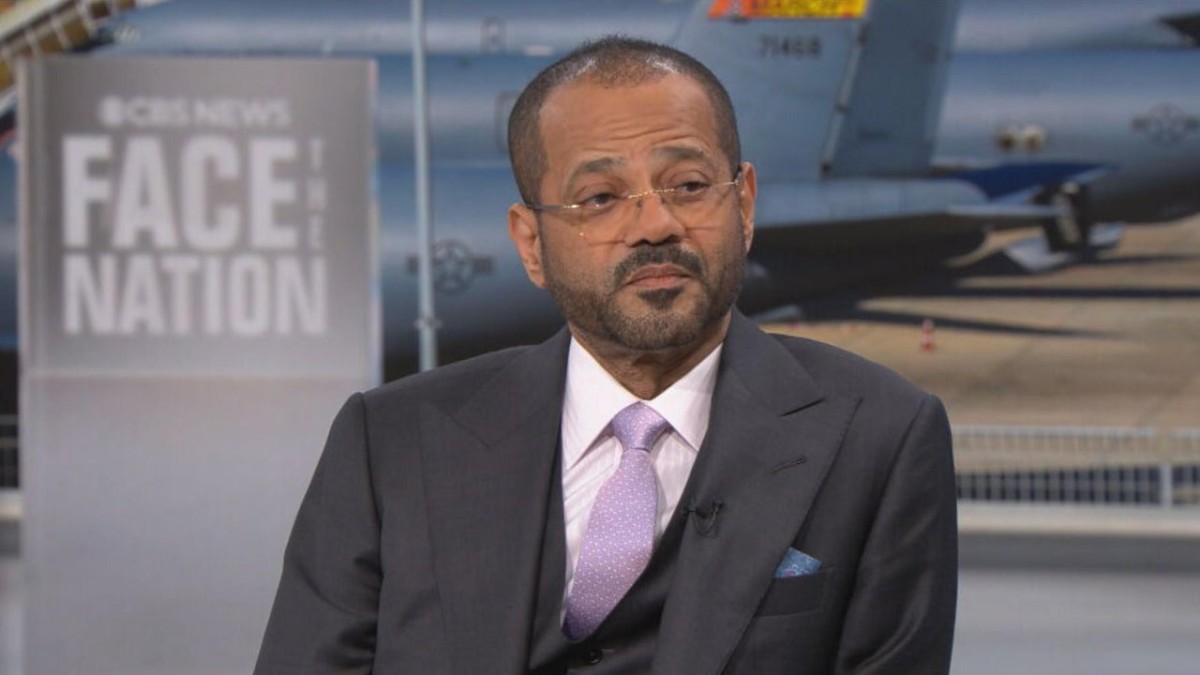
A potential diplomatic breakthrough in the high-stakes standoff between the United States and Iran may be imminent, according to Omani Foreign Minister Badr Albusaidi.
Eko Hot Blog reports that in a Friday interview with “Face the Nation,” Albusaidi, who has served as the primary mediator for three rounds of indirect talks, asserted that a “peace deal is within our reach.”
EDITOR’S PICK
- 540 Candidates Cleared as Lagos APC Moves to Elect LGA Executives
- Court Sentences Pastor to Death for Killing UniUyo Student
- Lagos Teacher Questions Lack of Recognition for One-Day Governor Mentors
According to the Omani diplomat, Iran has made a pivotal concession, agreeing that it will “never, ever have nuclear material that will create a bomb.”
The proposed framework involves blending Iran’s existing stockpiles of enriched uranium down to the lowest possible level and converting them into irreversible fuel, a move intended to alleviate global fears of a nuclear-armed Tehran.
Despite these optimistic reports from the Omani side, President Donald Trump remains publicly wary.
Speaking from Texas on Friday afternoon, the President expressed frustration with the current state of negotiations.
“I’m not happy with the fact that they’re not willing to give us what we have to have,” Trump told reporters, specifically emphasizing his demand for “no enrichment.”
While Iran has historically insisted on its right to peaceful nuclear enrichment, Albusaidi suggested that if a fair and verifiable deal is secured, even American inspectors might eventually be granted access to Iranian sites to ensure compliance.
The urgency for a diplomatic resolution is underscored by the current military posture in the Middle East.
President Trump has repeatedly stated that he is considering further military strikes on Iran following “Operation Midnight Hammer” last June, if negotiations fail to achieve American objectives.
Technical teams are scheduled to meet in Vienna on Monday to conduct reviews with the International Atomic Energy Agency (IAEA).
These reviews aim to address unexplained activity at sites previously targeted by U.S. strikes, as mediators urge the Trump administration to provide negotiators with the “room and space” necessary to finalize the agreement.