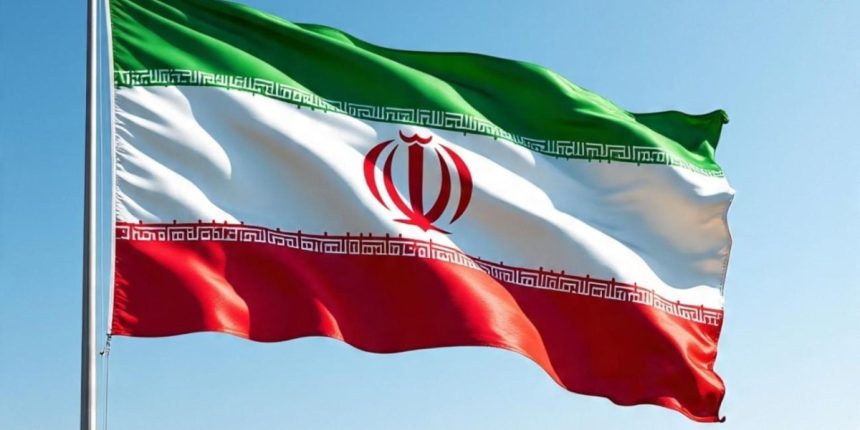
- The Iranian government has officially declined a ceasefire proposal from the United States, asserting that the conflict will only end on Tehran’s specific terms and timeline.
- Tehran’s demands for ending hostilities include the payment of war reparations, a total end to “acts of assassination,” and international recognition of its absolute sovereignty over the Strait of Hormuz.
- Senior Iranian officials dismissed U.S. President Donald Trump’s recent claims of progress in negotiations, labeling the American outreach as “deceptive” and a cover for military escalation.
The Iranian government has dealt a significant blow to hopes for a swift diplomatic resolution to the ongoing conflict by formally rejecting a ceasefire offer put forward by the United States.
Eko Hot Blog reports that in a statement released through the Consulate General of the I.R. Iran in Mumbai on Wednesday, March 25, 2026, Tehran made it clear that it will not allow President Donald Trump to dictate the conclusion of the war.
EDITOR’S PICK
- Ogun Begins Crackdown on Illegal Parks at Sango Border Over Rising Accidents
- Police Nab 30-Year-Old ‘Super M’ During Stop-and-Search in Lagos
- LASG Launches Investigation Into Cosmetic Surgery Death
A senior political-security official quoted in the circular insisted that Iran alone would choose the moment to stop fighting, provided its strict prerequisites are met.
Tehran’s list of conditions for a ceasefire is extensive and legally complex. Beyond an immediate halt to all “aggression and assassinations,” Iran is demanding formal guarantees against future conflicts and clear commitments for the payment of damages caused during the war.
Crucially, the statement reasserted Iran’s “natural and legal right” to total sovereignty over the Strait of Hormuz—the world’s most important oil transit chokepoint—a claim that has long been a flashpoint for international maritime tension.
The rejection highlights a sharp disconnect between Washington and Tehran.
While President Trump recently told reporters that the two nations had found common ground on 15 points of agreement, Iranian military spokesman Ebrahim Zolfaqari mocked these assertions, denying that any direct or fruitful negotiations were underway.
Tehran has informed all international mediators that until its core conditions, including a region-wide ceasefire involving all its allied groups, are accepted, no further diplomatic talks will be entertained.
As missile exchanges and airstrikes continue across various fronts, the prospect of de-escalation appears increasingly remote.
FURTHER READING
- Soldiers Recover Weapons After Repelling Attack in Ngoshe
- Nigeria Now in Stronger Position to Navigate Global Crisis – Olayemi Cardoso
- Tinubu Seeks Deeper Nigeria–UNDP Collaboration on Development Goals
Click here to watch video of the week