- Iran’s Revolutionary Guards claim long-range missile strikes hit the Israeli Prime Minister’s office and Air Force headquarters.
- The attacks follow the killing of Iranian Supreme Leader Ayatollah Ali Khamenei in a joint US-Israeli strike on Saturday.
- Israel retaliated with extensive strikes across Lebanon targeting Hezbollah, as regional oil prices surged due to supply disruption fears.
Iran’s Revolutionary Guards have asserted that their recent missile strikes successfully targeted the office of Israeli Prime Minister Benjamin Netanyahu and the headquarters of the Israeli Air Force commander.
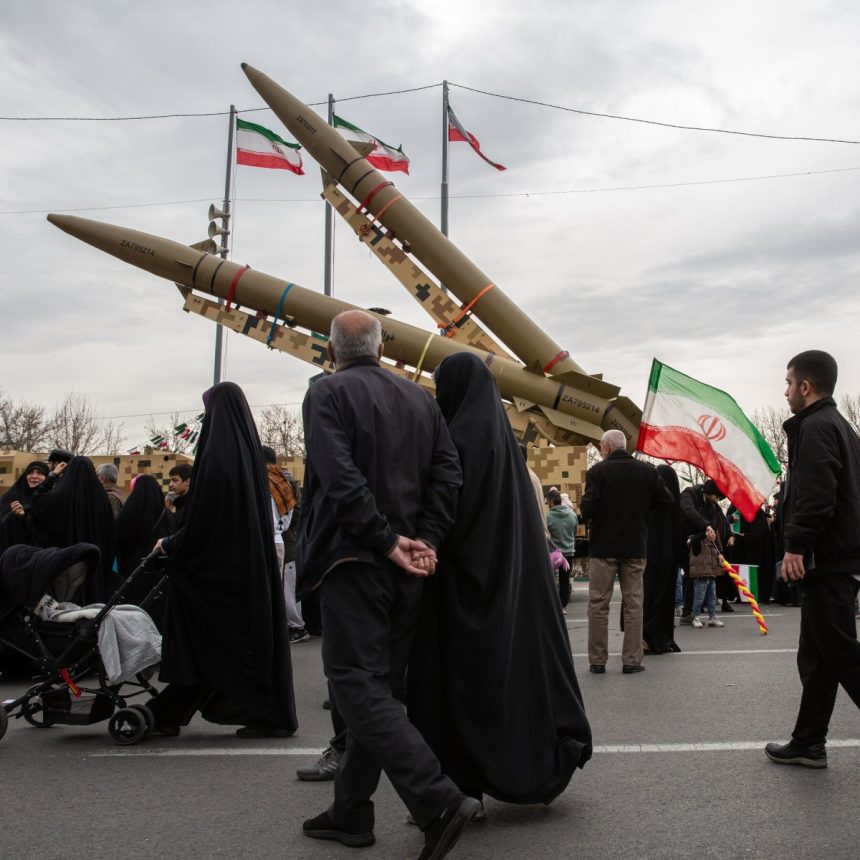
Eko Hot Blog reports that according to a statement carried by Iranian media, the attacks were carried out using homegrown Kheibar ballistic missiles.
EDITOR’S PICK
- 540 Candidates Cleared as Lagos APC Moves to Elect LGA Executives
- Court Sentences Pastor to Death for Killing UniUyo Student
- Lagos Teacher Questions Lack of Recognition for One-Day Governor Mentors
This action follows the weekend joint US-Israeli military campaign that resulted in the killing of Iran’s Supreme Leader, Ayatollah Ali Khamenei, in Tehran, an event that has triggered unprecedented volatility across the Middle East.
Following the killing of Khamenei, Iran’s President Masoud Pezeshkian appointed Revolutionary Guards General Majid Ebnelreza as acting defence minister, filling a power vacuum created by the sudden loss of top leadership.
The region has seen intense military escalation since Saturday, with Iran retaliating against Israel and US assets in the Gulf, disrupting critical shipping routes in the Strait of Hormuz.
International markets have reacted sharply to the widening conflict, with oil prices soaring toward $90 per barrel due to fears of sustained supply disruptions.
In addition to the attacks on Israel, Iranian forces have been implicated in strikes targeting military facilities in Bahrain, Kuwait, Qatar, and the UAE.
Israel has responded to the Iranian threats by launching extensive strikes across Lebanon targeting Hezbollah positions, expanding the theater of war beyond direct exchanges between Tehran and Jerusalem.
Analysts warn that the conflict is entering a dangerous phase, with potential for further escalation as Iran attempts to reassert its influence following the decapitation of its command structure.
Since the initial joint US-Israeli military campaign began on Saturday, dramatically marked by the killing of Iranian Supreme Leader Ayatollah Ali Khamenei in Tehran, the Middle East has entered a period of unprecedented volatility.
The sudden decapitation of Iran’s top leadership has left the “Axis of Resistance” in disarray, forcing allied militant groups to navigate a new, uncertain landscape without their primary logistical and political benefactor.
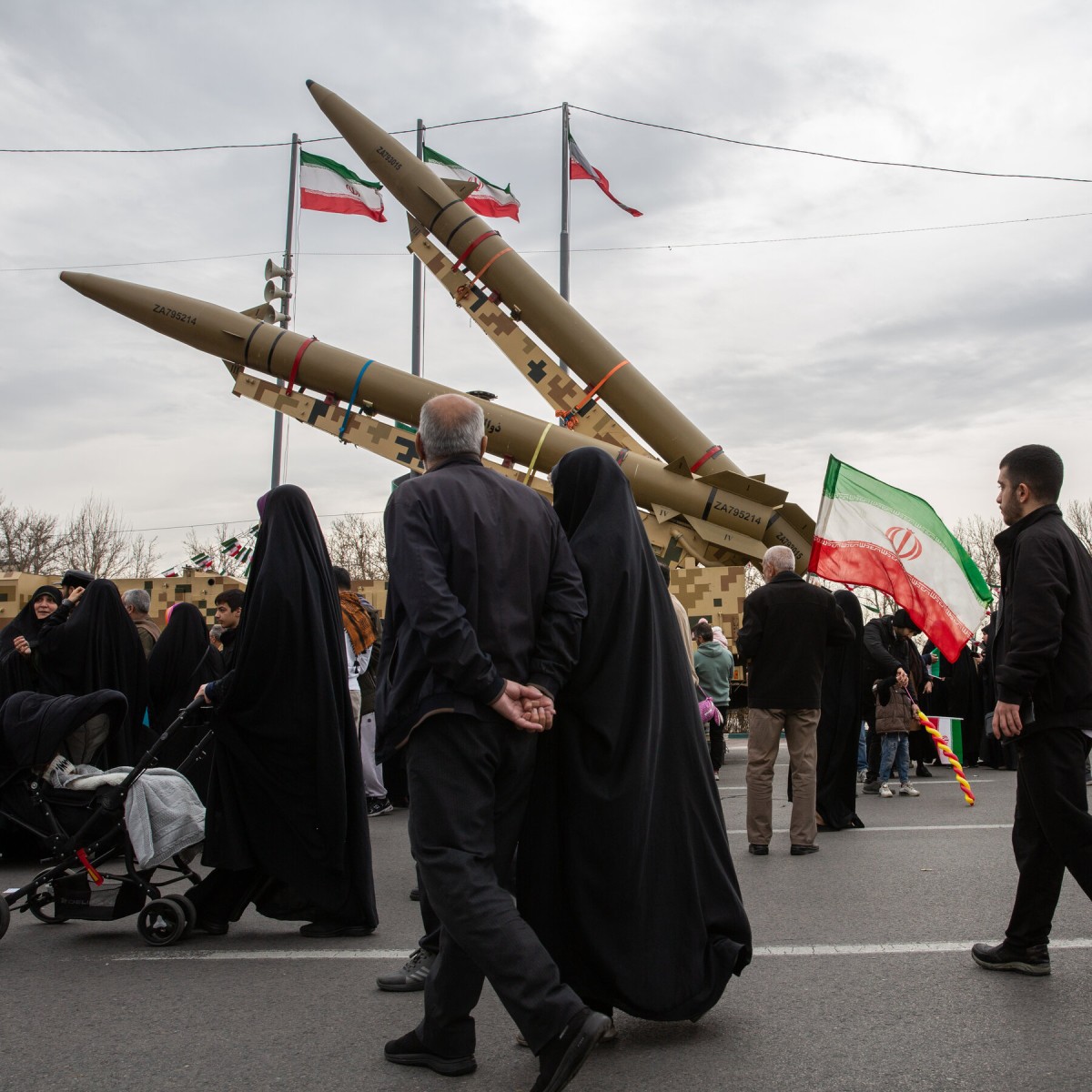
The retaliatory strikes by Iran have not been limited to Israel; they have spread across the Gulf, targeting military assets in Bahrain, Kuwait, Qatar, and the UAE, and disrupting global shipping routes.
Saturday, Feb 28: The joint US-Israeli strike kills Ayatollah Khamenei and several top security officials in Tehran. Iran retaliates immediately with drone and missile strikes targeting Israel and U.S. bases in the region.
Sunday, March 1: Israel launches a new round of strikes targeting “the heart of Tehran.” Iran claims to strike the USS Abraham Lincoln in the Gulf and targets oil tankers belonging to the U.S. and Britain.
Monday, March 2: Iran claims it targeted Prime Minister Netanyahu’s office. Simultaneously, Israel launches extensive strikes across Lebanon against Hezbollah targets, marking the first major broadening of the conflict beyond direct US-Iran-Israel clashes.
As the conflict enters its fourth day, international leaders are urging restraint, fearing the breakdown of diplomacy entirely. Markets remain unstable, with oil prices hovering near $90 per barrel, driven by fears of disruptions in the Strait of Hormuz.