- Freeman cited the Islamic Movement of Nigeria as one of the groups he claims has connections to Tehran
- He said public statements and online posts attributed to Iran’s leadership have shown support for the movement
- Addressing tensions in the Middle East, Freeman said Israel’s actions against Iran are primarily driven by security concerns
Israel’s Ambassador to Nigeria, Michael Freeman, has accused Iran of backing extremist activities in Nigeria and attempting to extend its influence in the country through ideological and militant networks.
Speaking during an interview with ARISE News on Friday, Eko Hot Blog gathered that Freeman warned that Tehran’s activities are not confined to the Middle East but have also reached parts of Africa, including Nigeria and the broader West African region.
EDITOR’S PICK
- Nigeria Awaits FIFA Verdict On DR Congo Player Eligibility Dispute
- Trump Says Diplomacy Is “Much Easier” Now After Decapitating Strikes on Iran
- Senate Targets 2026 for State Police Amendment
According to the envoy, certain organisations operating in Nigeria maintain links with Iran and allegedly receive ideological or operational support from the Iranian government.
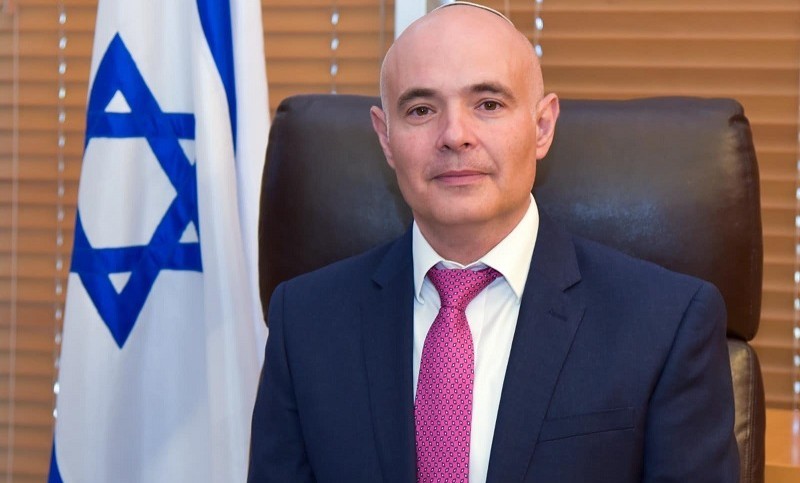
Freeman cited the Islamic Movement of Nigeria as one of the groups he claims has connections to Tehran.
He said public statements and online posts attributed to Iran’s leadership have shown support for the movement, which he believes forms part of a broader effort to expand Iranian influence across West Africa.
The ambassador argued that Iran’s foreign activities are tied to what he described as a global agenda that includes support for militant groups and destabilising campaigns in several regions.
Addressing tensions in the Middle East, Freeman said Israel’s actions against Iran are primarily driven by security concerns.
He claimed Tehran’s missile programme and nuclear ambitions pose a significant threat to Israel and its allies.
He referenced Iran’s leadership rhetoric, including statements from the country’s supreme authority, Ali Khamenei, which he said demonstrate hostility toward Israel and the United States.
Freeman also responded to criticism about Israel’s own alleged nuclear capabilities, maintaining that the focus of the current debate should remain on Iran’s military and nuclear programmes rather than Israel’s defence posture.
The envoy further alleged that Iran has supported violent networks outside the Middle East and said intelligence reports have repeatedly linked the country to extremist activities in different parts of the world, including Africa.
He also criticised the Iranian government’s response to domestic protests, accusing the authorities of using force against demonstrators and suppressing dissent.
On Israel’s recent military operations, Freeman said the country aims to minimise civilian casualties by focusing attacks on strategic military targets, such as missile facilities and nuclear infrastructure.
He accused Iran of deliberately targeting civilian populations during retaliatory strikes.
Despite the tensions, the ambassador emphasised that Israel remains interested in strengthening cooperation with Nigeria, particularly in the areas of security and counter-terrorism.
Freeman noted that Israel and Nigeria already collaborate in several sectors, including intelligence sharing, agriculture, health services and technology, adding that the Israeli government is open to expanding the partnership based on Nigeria’s security needs.
FURTHER READING